
A homeowner might call about one damaged fence board, a sticking door, a cracked tile, or a roof concern and wonder whether the whole component needs to be replaced. Sometimes a localized repair is the practical answer. Other times, the surrounding material, a history of repeated issues, or the overall condition of the item can make a larger scope worth considering.
There isn’t one universal rule that applies to every project. The right decision depends on the actual condition of the property, the result you want, and the practical scope involved. This guide walks through how Dallas–Fort Worth homeowners can think through that decision for several common home projects.
Start With One Question: Is the Problem Localized or Widespread?
Before thinking about repair versus replacement, it helps to look at how contained the issue actually is. A localized issue might involve one damaged section, one loose component, one isolated finish problem, or one area affected by an issue that has already been resolved.
A widespread issue looks different: repeated damage across several areas, multiple deteriorated components, material that no longer matches or is difficult to patch, recurring problems after previous repairs, or a condition that extends well beyond one repair point.
It’s worth keeping in mind that visible symptoms don’t always reveal the full cause. A single visible problem can sometimes be the whole story, and sometimes it’s a sign of something more spread out. That distinction is usually the starting point for the rest of this decision.
When a Repair May Make Sense
A localized repair is often reasonable when:

- The damage is limited to a small area
- The surrounding material remains usable
- Replacement parts or materials are reasonably compatible
- The item still performs its intended everyday function
- You’re satisfied with a localized repair rather than a full replacement
- A previous repair in that area hasn’t repeatedly failed
- The repair can be completed without creating a larger mismatch or new problem
We won’t promise that a repair will always be cheaper than replacement, and we won’t promise a specific lifespan for any repaired component. Those depend on too many variables to state as a rule.
When Replacement May Be Worth Considering
Replacement may be worth discussing when:

- Damage is spread across many sections rather than one area
- Repeated repairs to the same component are accumulating
- Surrounding materials are also deteriorating
- Matching the existing material is proving difficult
- Function remains poor even after earlier repairs
- You’re already planning a larger improvement to that area
- The repair scope is starting to approach the practical scope of replacement
Notice the wording: replacement may be worth discussing. We won’t tell a homeowner “you need to replace it” based on a description alone. That kind of decision should be grounded in the actual condition of the item.
Roof Repair vs. Roof Replacement
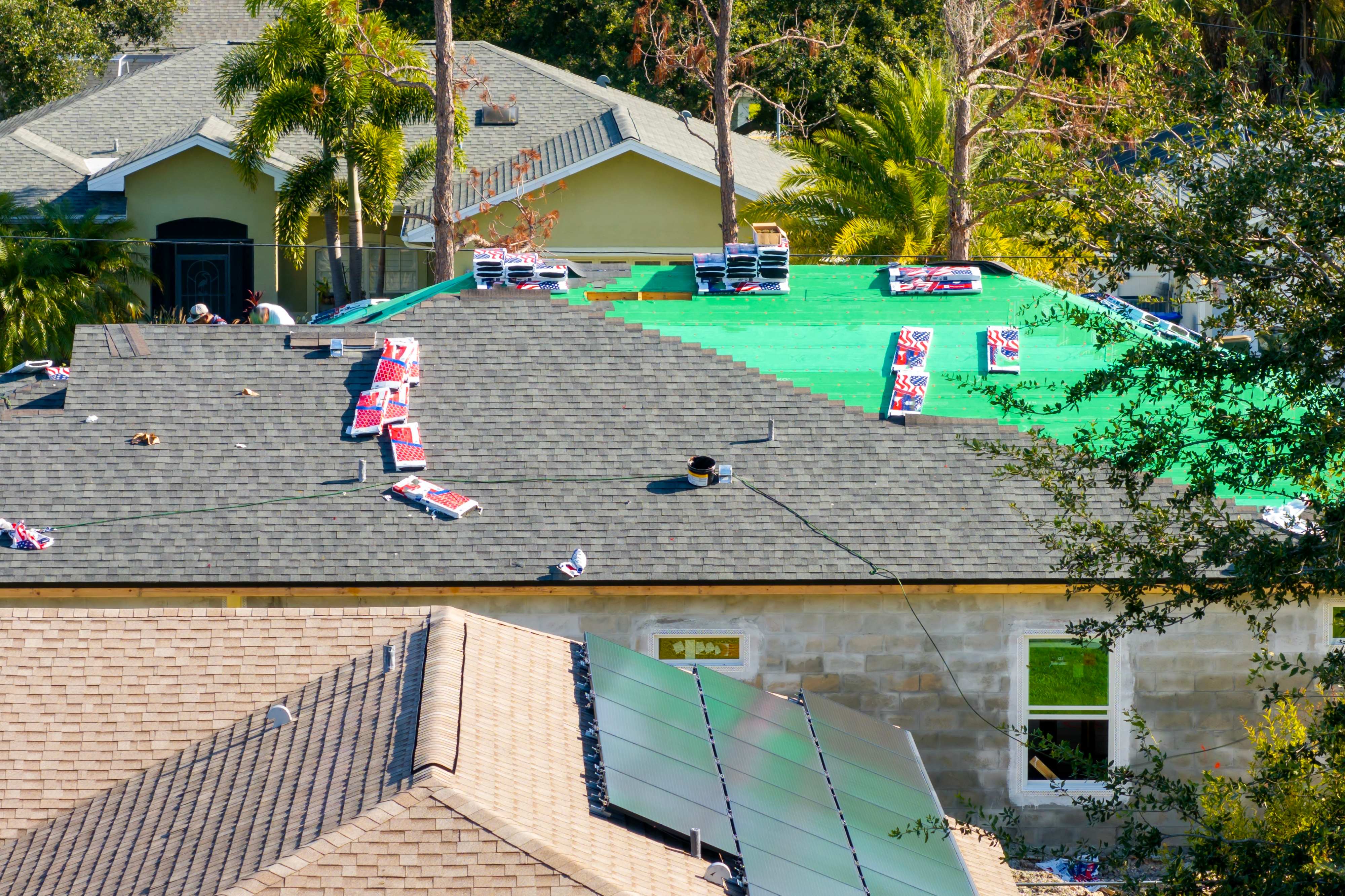
A repair may make sense when the issue appears localized, the surrounding roofing is in serviceable condition, and the specific affected area can reasonably be addressed on its own.
Replacement may be worth discussing when problems exist across multiple areas, deterioration is widespread, repeated repair needs are developing, or the overall condition makes an isolated repair less practical.
We don’t diagnose a roof remotely, give roof age thresholds, or say that hail automatically requires replacement. We also don’t promise insurance coverage or claim to provide a certified inspection, and we won’t suggest climbing onto a roof to check it yourself. Our roofing services page covers what an in-person review can include.
Fence Repair vs. Fence Replacement
Repair examples include several loose boards, a localized gate issue, individual damaged sections, or hardware problems like a loose hinge or latch.
Replacement becomes a more relevant discussion when deterioration is spread across many sections, post or board problems are widespread, repeated repair needs keep coming up, or you want a significantly different fence configuration or finish than what’s currently installed.
We don’t make structural certification claims about a fence. Our fence services page covers both repair and replacement work.
Door Repair vs. Door Replacement
Repair examples include hinge adjustment, latch alignment, weatherstripping, hardware, minor trim or finish issues, and localized rubbing or sticking.
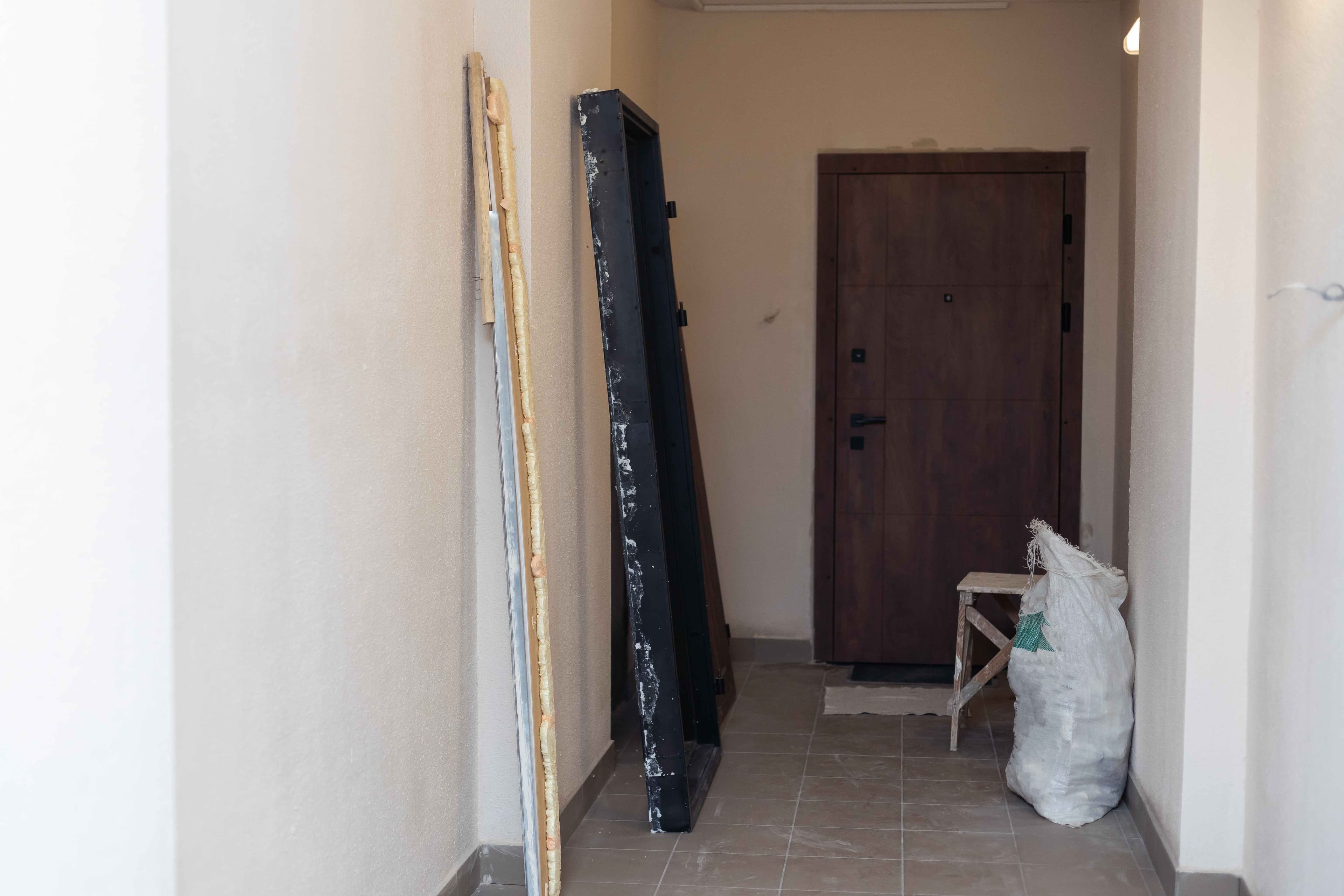
Replacement becomes worth discussing when there’s extensive physical damage, significant deterioration, repeated function problems, you want a different style or configuration, or a repair no longer actually addresses the practical issue.
We don’t diagnose foundation problems from a sticking or misaligned door, and Premier Handyman Group does not advertise locksmith services such as rekeying, unlocking, lock repair, or access control. Our door services page covers the repair and replacement work we do provide.
Window Repair vs. Window Replacement
Handyman-scale window work often includes screens, trim, caulking, compatible hardware, and localized finish issues.
Replacement may be considered where the physical condition of the window or component, or your improvement goals, make a larger scope more appropriate.
We don’t make energy-savings guarantees, promise waterproofing, diagnose foundation movement, or make performance claims without verified specifications. Our window services page has more on what we cover.
Flooring Repair vs. Flooring Replacement
Repair examples include isolated damaged boards or tiles, transitions, localized finish problems, and small damaged sections where compatible material is available.
Replacement becomes a more relevant discussion when damage spans a large area, wear is widespread, matching the existing material isn’t reasonably possible, localized issues keep recurring, or you want a consistent new finish throughout the space.
Matching older flooring can sometimes be difficult, since color, wear, manufacturing runs, or product availability can differ from what was originally installed. We won’t promise an invisible repair. Our flooring services page covers repair and replacement options.
Deck Repair vs. Larger Deck Work
Repair-level work includes localized board replacement, fasteners, finish work, and limited railing or stair component repairs within our approved scope.
A larger project becomes worth discussing when deterioration spans multiple areas, repeated repair needs keep showing up, you want major configuration changes, or there’s significant movement or a condition that calls for specialized evaluation.
We don’t provide structural certification, engineering advice, certified deck inspection, or a guarantee of structural safety. If we notice significant structural concerns, we’ll say that specialized evaluation may be appropriate rather than guess. Our deck services page has more detail.
Drywall: Patch the Area or Address a Larger Section?
A patch-level repair typically covers holes, isolated damage, prior access openings, localized cracking, or damage left over after a leak that has already been resolved.
A larger scope becomes more relevant when damage spans multiple areas, finish matching becomes difficult, previous patches are already extensive, or the underlying issue hasn’t actually been resolved yet.
If moisture is still active, the source should generally be addressed before any drywall finishing work begins. We don’t diagnose mold, foundation failure, or hidden structural issues. Our drywall services page covers this kind of repair.
Exterior Siding and Trim: Repair the Section or Replace More?
Common repair-level items include a localized damaged panel or piece of trim, loose sections, a weathered finish, and matching available materials to what’s already installed.
Replacement scope can sometimes be influenced by how well new material can realistically match the existing exterior, and by how many sections show repeated repairs or larger areas of deterioration.
We won’t promise exact color matching. Our siding services and painting services pages cover related repair and refresh work.
Garage Door: Repair the Component or Consider a Larger Replacement?
Repair-level considerations include hardware, weather seal, opener-related symptoms within our approved scope, and panel or component issues where appropriate.
Replacement becomes worth discussing when there’s widespread physical deterioration, repeated functional issues, significant panel damage, or you simply want a different door.
Garage door torsion springs, extension springs, cables, and other high-tension components store significant force and are not a safe do-it-yourself adjustment, so we won’t walk through that here. We also don’t claim a wind rating, storm rating, or security rating unless that has actually been verified. Our garage door services page covers the repair work we provide.
Do Not Make the Decision Based Only on the Lowest Upfront Price
When comparing options, it helps to weigh more than just the number on the estimate:
- Repair scope
- Replacement scope
- Expected practical result
- Whether the issue is likely to remain localized
- Compatibility of materials
- Total project scope
- Desired finish
- Budget
We don’t provide individualized financial advice, and we won’t imply that the more expensive option is automatically the better one. The lowest upfront cost is one factor, but it is not the only factor.
Ask What the Project Will Look Like After the Repair
Before deciding, it can help to picture the result and ask a few practical questions:
- Will the repaired material match reasonably well?
- Will the surrounding material remain unchanged?
- Will seams or transitions be visible?
- Will only one section look new compared to the rest?
- Are you comfortable with that result?
- Does a larger replacement better match your overall goals?
Perfect visual matching isn’t always possible with older materials, so it’s worth thinking through whether a slightly imperfect match is acceptable, or whether a broader scope makes more sense for the result you want.
Repeated Repairs Are Useful Information
One repair doesn’t automatically mean it’s time to replace something. But keeping track of a few details can help you decide whether continuing with localized repairs is still practical:
- What was repaired
- Where it was located
- How often the issue has come up
- Whether the same problem returned
- Whether nearby areas developed similar issues
We won’t invent a numeric rule here, such as suggesting that a certain number of repairs automatically means it’s time to replace something. That kind of decision depends on the actual pattern, not a fixed count.
What to Send When Asking for a Repair-or-Replace Estimate
A few details up front can make the initial review more useful:
- Wide photos
- Close photos
- Description of the issue
- Approximate dimensions, if useful
- Whether it has been repaired before
- Whether the issue is currently active
- Your desired result
- Whether matching existing material is important to you
- Whether you are open to both repair and replacement options
Photos can help with an initial review, but an on-site evaluation may still be needed depending on the project. You can send these details through our contact page.
Quick Repair-or-Replace Checklist
A fast, mobile-friendly way to think through the decision before you request an estimate.
- Is damage localized?
- Is surrounding material still usable?
- Has the same issue been repaired before?
- Is matching material available?
- Is normal function affected?
- Are several nearby sections also deteriorating?
- Would a localized repair meet your appearance goals?
- Are you already planning a larger improvement?
- Does part of the issue require specialized evaluation?
- Have you compared the practical scope of both options?
Example: One Repair List Can Include Different Decisions
This is a simple, generic example to illustrate the idea below. It is not a real customer story or project result.
A homeowner reviewing their property might have one fence section that could potentially be repaired, several flooring areas that may deserve a broader discussion, a door that needs adjustment, and drywall damage left over after a leak that has already been resolved.
Not every item on the same property needs the same repair-or-replace decision. The fence section might stay a localized repair, the flooring might move toward a larger conversation, and the door and drywall might each land somewhere in between, depending on their own condition.
Related Reading
Frequently Asked Questions
Is repairing always cheaper than replacing?+
Not necessarily. Cost depends on scope, materials, labor, condition, and what is actually required to achieve the desired result.
Does one damaged roof area mean I need a new roof?+
No. A localized issue does not automatically mean the entire roof needs replacement. The right scope depends on the actual condition of the roof.
Does a sticking door mean the foundation is moving?+
No. There are many possible, ordinary causes for a sticking door, and we don’t diagnose foundation movement from that symptom alone.
Can older flooring be matched exactly?+
Not always. Color, wear, manufacturing runs, or product availability can make an exact match difficult, so this is worth discussing before deciding on a repair.
Should I replace my whole fence because of a few damaged boards?+
Not necessarily. Scope generally depends on the overall condition of the fence, not just the boards that are currently visible.
Can you give me both repair and replacement options?+
When appropriate for the project scope, different practical options can be discussed. We can’t promise multiple quotes in every situation, but we’re glad to talk through what’s realistic.
Can I send photos first?+
Yes. Photos can help with an initial review, but an on-site evaluation may still be needed depending on the project.
Do you provide free estimates?+
Yes, we provide free estimates for the projects we scope.
Do you serve the Dallas–Fort Worth area?+
Yes, we serve homeowners across the Dallas–Fort Worth area.
Can financing be considered for a larger replacement project?+
For qualifying larger projects, third-party financing options may be available. Approval, rates, terms, and eligibility are determined by the financing provider. Learn more about financing.