
It’s easy to walk past a small repair for weeks, or months, without giving it much thought. A hairline crack in the drywall, a door that needs an extra shove to latch, a fence board that’s come loose. None of these feel urgent on their own, so they tend to get pushed to “someday.”
For many homeowners across Dallas–Fort Worth, that’s a perfectly reasonable way to handle a single small item. The trouble is that some issues stay small indefinitely, while others quietly get harder or more expensive to fix the longer they’re left alone. A minor roof leak can lead to more interior damage. A cracked exterior seal can let more moisture behind a wall. A loose fence board can take neighboring boards down with it.
This article walks through 10 common repair items worth reviewing sooner rather than later, along with a practical way to think about prioritizing a growing repair list. Not every visible issue points to a serious underlying problem, and the right scope for any of these items depends on the actual condition of your property, not a general rule of thumb. If you’re not sure where something falls, that’s exactly the kind of question a quick project review can help answer.
1. Small Roof Leaks or Visible Roof Damage

A water stain on a ceiling, a shingle that's gone missing after a windy afternoon, or flashing that looks lifted around a vent pipe are all worth a closer look. These signs don't automatically mean a major roof problem, but they're also not something to file away and forget.
Not every ceiling stain is caused by the roof, and this isn’t meant as a structural diagnosis. Some stains trace back to condensation, plumbing, or HVAC condensation lines rather than the roof itself. What matters is reviewing the affected area, especially after a hailstorm or a stretch of strong wind, so a small amount of missing material or a loose flashing seam doesn’t turn into a repeated leak path.
If you’ve noticed a stain, missing shingles, or storm damage, our roofing services page has more detail on what a roof review can cover.
2. Overflowing, Loose, or Damaged Gutters
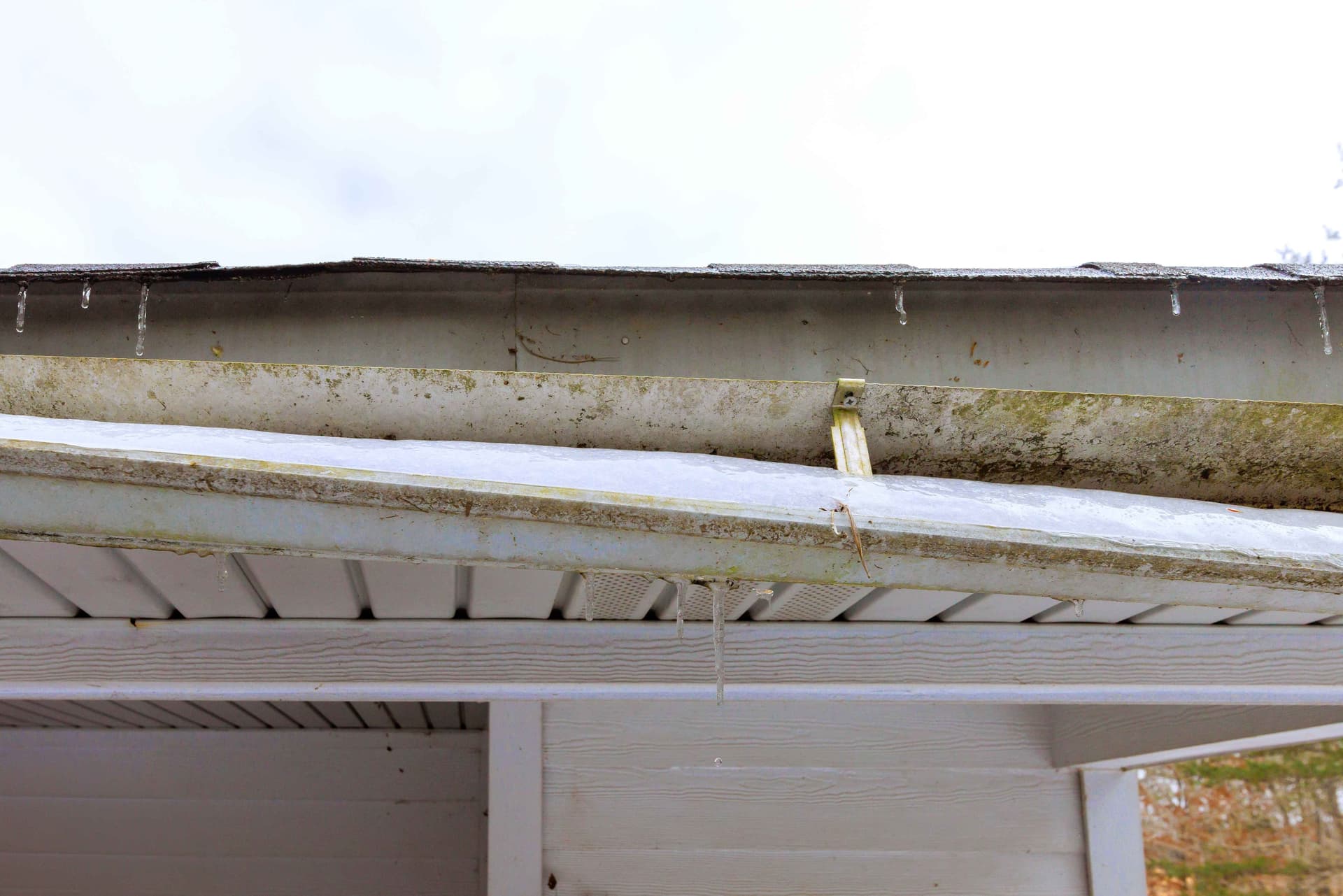
Gutters that overflow during a heavy rain, sections that have pulled away from the fascia, or downspouts that have come apart are common warning signs. So is a visible buildup of leaves and debris that keeps water from moving through the system the way it's supposed to.
When water isn’t directed away from the house as intended, it can affect nearby exterior surfaces, siding, trim, and landscaping over time. This isn’t a foundation diagnosis, and a gutter issue by itself doesn’t necessarily mean foundation movement is involved. It simply means water management around the home isn’t working the way it was designed to, which is worth correcting on its own.
You can read more about repair and cleaning options on our gutter services page.
3. Failed or Cracked Exterior Caulking
Exterior caulking around windows, doors, and trim is meant to move with the house and hold a seal for a while, but it doesn’t last forever. Cracked, shrunken, or missing caulk lines are easy to spot once you know to look for them, especially around window frames, door trim, and other transitions between materials.
Refreshing this seal is a normal part of exterior maintenance rather than a guarantee against water intrusion. Caulk is one part of a broader weatherproofing system, and it works alongside flashing, siding, and trim rather than replacing the need for any of them.
If the caulking issue is centered around a window or door, our window services and door services pages cover related repair work.
4. Sticking or Misaligned Doors
A door that rubs against the frame, doesn't latch without extra effort, or has developed a gap along one edge is a common household annoyance. Worn hinges, loose hardware, and weatherstripping that has compressed over time are frequent, ordinary causes.
Door alignment can change for a number of reasons, including humidity, seasonal wood movement, hinge wear, and normal settling. This article isn't a foundation diagnosis, and a sticking door on its own doesn't confirm foundation movement. That said, if the change is significant, sudden, or affects multiple doors and windows at once, that pattern may be worth a further, more specialized evaluation depending on what's observed.

For hardware, hinge, and alignment repairs, see our door services page.
5. Drywall Damage That Keeps Getting Worse

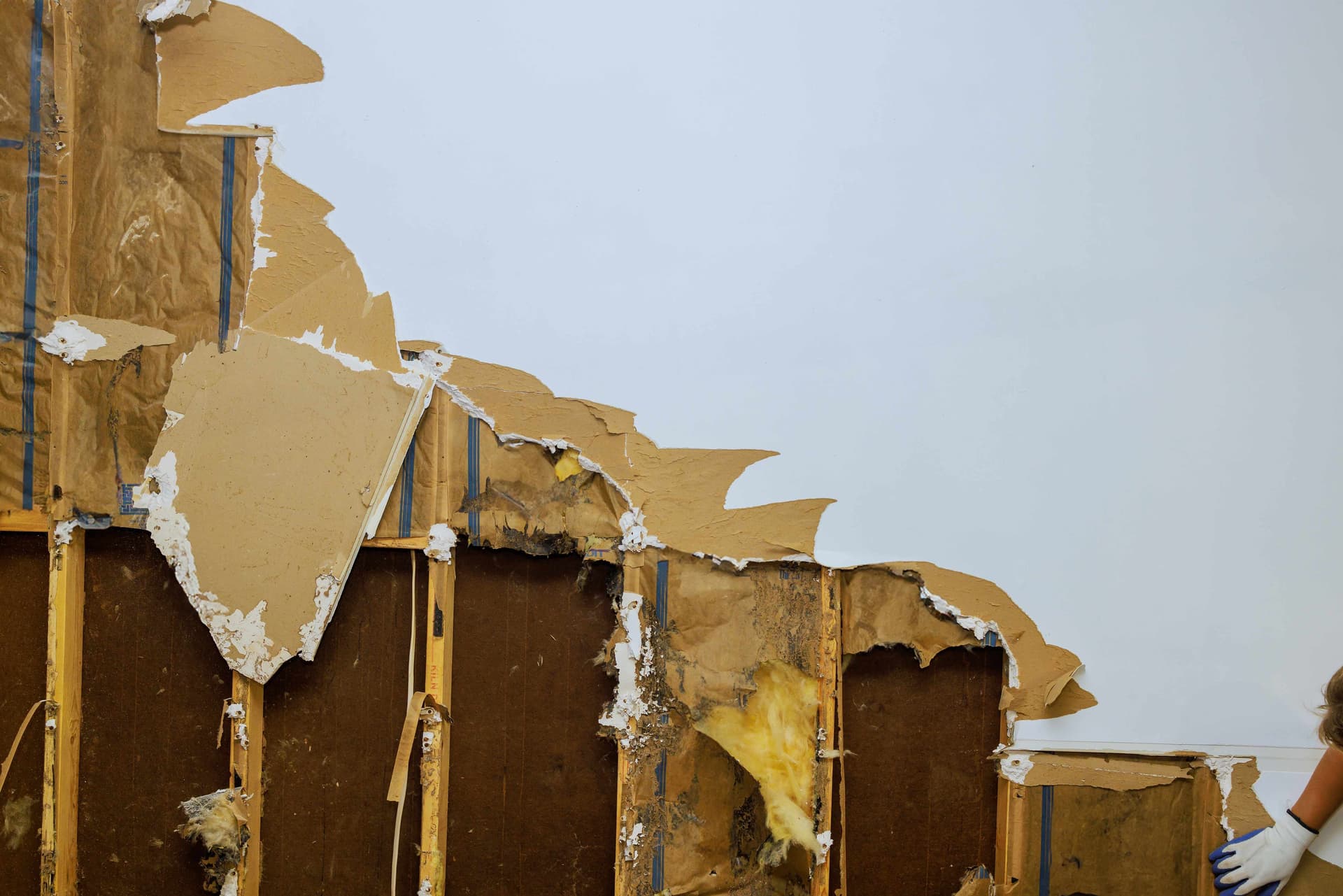
Holes from moving furniture, dinged corners, small cracks near a doorway, or a patch that was never quite finished all fall into this category. So does drywall that was affected by a past leak or repair that was left incomplete.
If there’s any chance moisture is still active in that area, the source of the moisture should generally be addressed before finishing the drywall repair. Patching over an active leak tends to lead to repeat damage. This is a general repair consideration, not a mold or structural diagnosis, and any concerns along those lines are outside the scope of a standard drywall repair.
More detail on patching, texture matching, and finishing is available on our drywall services page.
6. Loose or Damaged Fence Boards, Posts, or Gates
A single loose board, a gate that has started to sag, a latch that no longer catches, or boards that show visible weathering are all common with age and exposure. Texas storms and sustained sun exposure can accelerate wear on fence materials over time.
A small damaged section can become a bigger repair if the surrounding boards, posts, or hardware continue to deteriorate around it, especially after additional storms. This isn’t a structural certification of the fence line, just a practical note that isolated repairs are usually easier and less costly than replacing an entire run later.
Our fence services page covers repair, board replacement, and gate adjustments.
7. Deck Boards, Railings, or Fasteners That Need Attention
Loose boards, fasteners backing out, worn or graying finish, and railing or stair components that feel less solid than they should are common signs of normal outdoor wear. Individual boards or fasteners can often be addressed without a full deck rebuild.
This isn’t a certified deck inspection, and it doesn’t include a structural safety guarantee. If you notice significant movement, especially in railings or stairs, or other structural-feeling concerns, we recommend treating that as a signal that a further, more specialized evaluation may be appropriate before continuing normal use.
For board, railing, and fastener repairs, visit our deck services page.
8. Peeling Paint or Damaged Exterior Finishes

Peeling, flaking, or bubbling paint and worn coatings around trim, siding, or fascia are more than a cosmetic issue. Paint and exterior coatings are part of what protects the surface underneath, so damaged finish left unaddressed can allow more moisture and UV exposure to reach the material beneath it.
Surface preparation matters as much as the paint itself. Scraping, sanding, and addressing the underlying surface condition before repainting tends to produce a longer-lasting result than painting over an already-failing finish. We don’t make claims about hazardous paint or lead content unless the surface has been professionally tested, since that determination is outside the scope of a standard painting project.
Learn more about surface prep and finish work on our painting services and siding services pages.
9. Damaged Flooring or Loose Transitions
A cracked tile, a warped board, a transition strip that has come loose between rooms, or a small area of finish damage are common flooring issues that tend to get worse with continued foot traffic. A transition that catches a shoe or a chair leg is also a practical, everyday inconvenience worth fixing.
Not all flooring damage can be repaired in place; some situations call for replacing a section or, in some cases, the full floor, depending on the material and how widespread the damage is. Reviewing the area early gives you more options than waiting until the damage has spread further.

See our flooring services page for repair and installation details.
10. The “Small Repair List” That Keeps Growing
This last one isn’t a single repair; it’s a situation many homeowners find themselves in. A drywall patch here, a door that needs adjusting, a loose fence board, some paint touch-ups, a caulking gap, a piece of trim that’s come loose. None of these items feel urgent enough on their own to schedule a visit, so the list just keeps growing in the back of a notes app or on a sticky note on the fridge.
Grouping practical items like these into one organized project request can make it considerably easier to review the overall scope in a single visit, rather than treating each item as its own separate project. If this sounds like your current list, our property maintenance services page is built around exactly this kind of multi-item request, and our homeowners page has more on how we approach projects of different sizes.
Why Home Maintenance Can Add Up Quickly in North Texas
North Texas puts a fair amount of ordinary stress on a home over the course of a year. Long stretches of intense heat and direct sun exposure can dry out and fatigue caulking, paint, and roofing materials. Strong wind and thunderstorms, including occasional hail, put exterior surfaces, fences, and roofing to the test. Humidity swings between seasons contribute to normal material movement in wood, drywall, and trim.
None of this means every property in the area experiences storm damage or accelerated wear. Different materials, construction methods, and levels of sun or wind exposure respond differently, and a property that’s well-maintained and well-sited can hold up very differently than a similar home nearby. What this does mean is that a maintenance list in this region tends to accumulate a bit faster than in milder climates, simply because there are more environmental factors working on the exterior of the home throughout the year.
How Should You Prioritize a Home Repair List?
When a list of repairs starts to feel long, it helps to have a general framework for deciding what to address first. This is meant as a practical planning tool, not a substitute for a specialized evaluation when one is actually needed.
- Active water intrusion or ongoing damage. Anything currently letting water into the home or continuing to cause damage generally deserves the closest attention first.
- Loose or deteriorating exterior components. Fence sections, siding, trim, or fasteners that are actively loosening or breaking down tend to get harder to repair the longer they are left alone.
- Items affecting normal use. Doors that won’t latch, gates that won’t close, or flooring that catches underfoot affect daily life and are worth addressing.
- Repairs that must happen before finishing work. Drywall, paint, and trim generally go faster and last longer when completed after any underlying repair is finished.
- Cosmetic or convenience items. Touch-ups, hardware swaps, and small finish upgrades are reasonable to schedule once the items above are handled.
What to Send When Requesting an Estimate
Whether you’re dealing with one repair or a growing list, a few details can help us with an initial review of the scope:
- A wide photo showing the general location of the issue
- A closer photo showing the specific damage
- Approximate dimensions, if you have them and they would help
- A short description of what you’re noticing
- Whether the issue is active (for example, a current leak) or has already been addressed
- What result you’re hoping for
- Any other items you’d like included in the same request
Photos can help with that initial review, but they may not replace an on-site evaluation, especially for projects where the full extent of the work isn’t clear from images alone. If you have several items, feel free to include all of them in a single request rather than sending them one at a time.
A wide shot, then a close shot
One photo showing where the issue is located, and a second showing the damage up close, is usually enough to start.
Rough measurements help, exact ones aren’t required
An approximate size gives us useful context, even if you don’t have a precise measurement on hand.
Frequently Asked Questions
Can several small home repairs be included in one request?
Yes. Many homeowners group multiple small items, such as a drywall patch, a sticking door, and a loose fence board, into a single project request. This can make it easier to review the overall scope in one visit.
Can you estimate a repair from photos?
In some cases, clear photos can help with an initial review of the project. Depending on the issue, an on-site evaluation may still be needed before a final estimate can be provided.
Does every crack or sticking door mean a foundation problem?
No. There can be many possible causes. Premier Handyman Group does not diagnose foundation conditions based only on a visible crack or door issue. Specialized evaluation may be appropriate depending on the condition.
Should drywall be repaired before a leak is fixed?
The active moisture source should generally be addressed first before completing drywall repair and finish work.
Do small roof problems always require replacement?
No. The appropriate scope depends on the condition and extent of the issue.
Do you provide free estimates?
Yes, we provide free estimates for the projects we scope.
Do you serve Dallas–Fort Worth?
Yes, we serve homeowners across the Dallas–Fort Worth area.
Can I send one list with repairs from several rooms?
Yes. Sending a full list along with photos for each item is a practical way to start reviewing a multi-room project.