
Free Estimates
Same-Day Service — Subject to Availability
Emergency Service — Subject to Availability
Financing Available
Cash & Credit Cards Accepted
Concrete & Flatwork in DFW
Surface Repair, Not Foundation Work
Flatwork covers the concrete you walk and drive on, driveways, patios, and walkways, which is a different job from foundation or structural repair.
Concrete repair and flatwork is about the horizontal surfaces around a home: the driveway, the patio, the walkway, and the small slabs that see daily use. Over time these crack, chip, scale, or settle, and a section can become worn or uneven enough to look bad or catch a foot. Much of this can be patched, refinished, or replaced one section at a time without redoing everything.
It is worth being clear about what this is not. Flatwork repair is not foundation repair, slab leveling beyond our scope, or structural engineering. We can restore a cracked or damaged surface, but a cosmetic patch does not correct the soil movement underneath it, and in North Texas that movement is real. We would rather explain that plainly than imply a patch permanently solves an underlying ground issue.
✓Driveway crack repair
✓Patio patching and repair
✓Walkway and path repair
✓Localized slab replacement
✓New small flatwork pours
✓Sidewalk section repair
✓Step and landing patching
✓Surface spall repair
✓Control joint cleanup
✓Approach and pad repair
✓Finishing to match existing
✓Site cleanup after the pour
What we look for
Common Concrete Problems
These are the flatwork issues homeowners most often ask about.
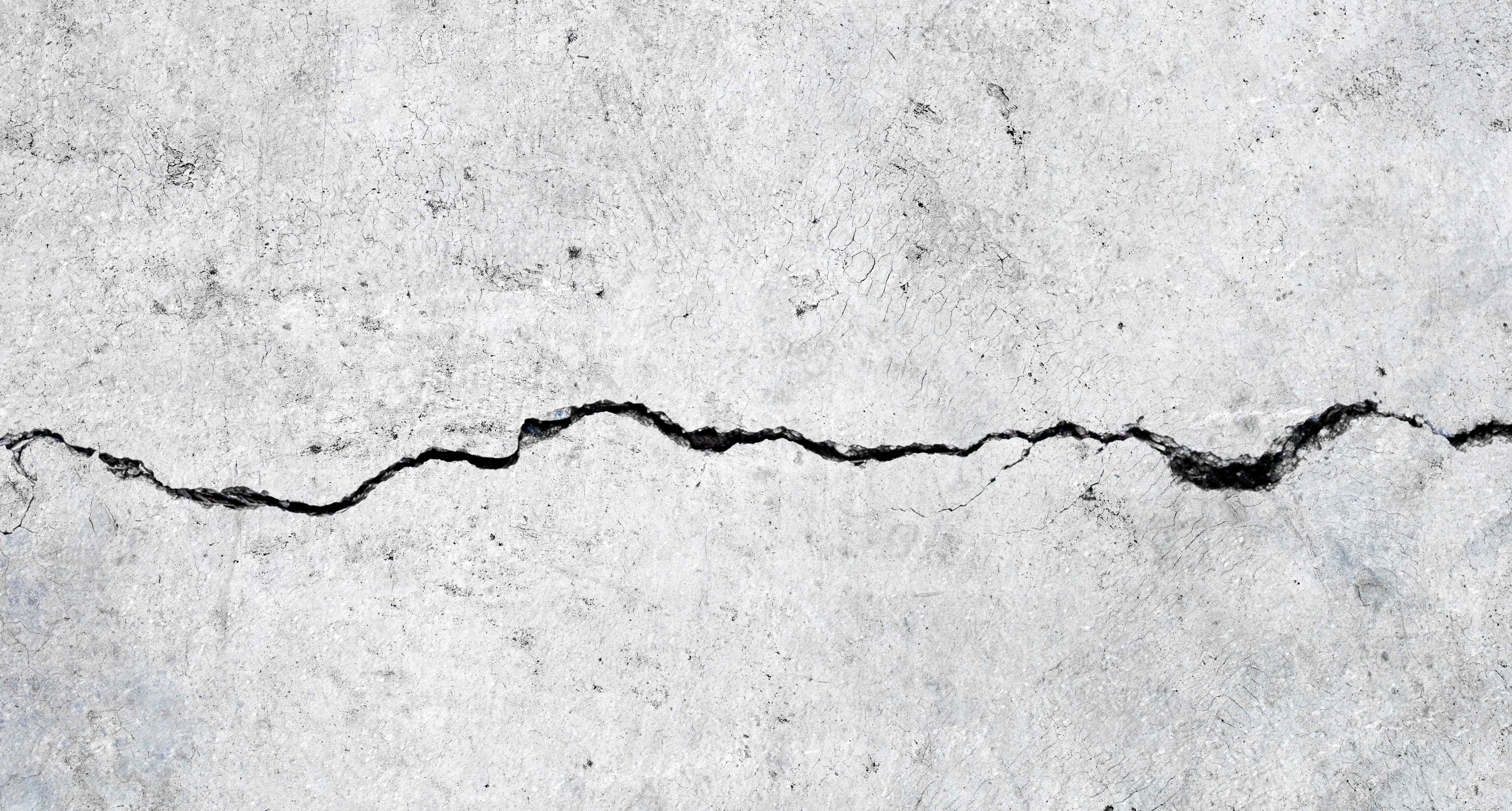
✓A cracked driveway or patio
✓Chipped or flaking surface concrete
✓A section that has settled unevenly
✓A tripping hazard along a walkway
✓Concrete damaged at an edge or corner
✓Surface pitting or scaling
✓A slab that needs a small addition
✓Old flatwork that looks worn out
✓Cracks that keep collecting water
✓A path that no longer sits flush
Understanding the damage
Types of Concrete Damage
Different symptoms have different causes, and telling them apart guides the repair.
Shrinkage cracks
Fine cracks that appear as concrete cures and dries. They are common and often cosmetic, though they can widen over time if water works into them.
Surface scaling
Flaking or peeling of the top layer, usually a finishing or exposure issue on the surface rather than a problem through the full slab.
Spalling
Chips and pop-outs where the surface breaks away, often near edges or where moisture and freeze-thaw take a toll.
Settlement cracks
Cracks tied to the ground moving beneath the slab. Patching addresses the surface, but the underlying soil movement is a separate matter.
Edge and corner damage
Broken edges on steps, landings, and slab corners, which are common wear points and are often good candidates for localized repair.
Control joint wear
Joints are placed to control where concrete cracks. Cleaning and maintaining them helps manage cracking rather than fighting it.
Making the right call
Patch, Replace a Section, or Repour
The right approach depends on how much of the slab is affected and whether the ground beneath is stable.
A repair or patch may fit when:
✓The slab is sound but has surface cracks or spalling
✓Damage is localized to a section or an edge
✓A crack can be cleaned out and filled or patched
✓A single panel can be removed and replaced
✓You want to add a small area of new flatwork
Replacement may be worth it when:
✓A slab is broken into several shifting pieces
✓Sections have settled far out of level with each other
✓Surface damage covers most of the area
✓Past patches keep failing in the same spots
✓The flatwork has reached the end of its service life
Planning ahead
What Shapes a Concrete Project
A few site conditions determine how flatwork should be approached.
✓Where water drains, since poor drainage undermines concrete
✓The condition and stability of the ground beneath the slab
✓How the new finish will blend with the existing surface
✓Access for materials and equipment to the work area
✓Recent and forecast weather, since concrete needs time to cure
✓Whether the location involves any right-of-way approvals
Our approach
How the Work Usually Goes
A typical sequence from review through curing.
Step 1
Review the concrete condition, drainage, and project goal
Step 2
Prepare the area by cleaning out cracks or removing failed sections
Step 3
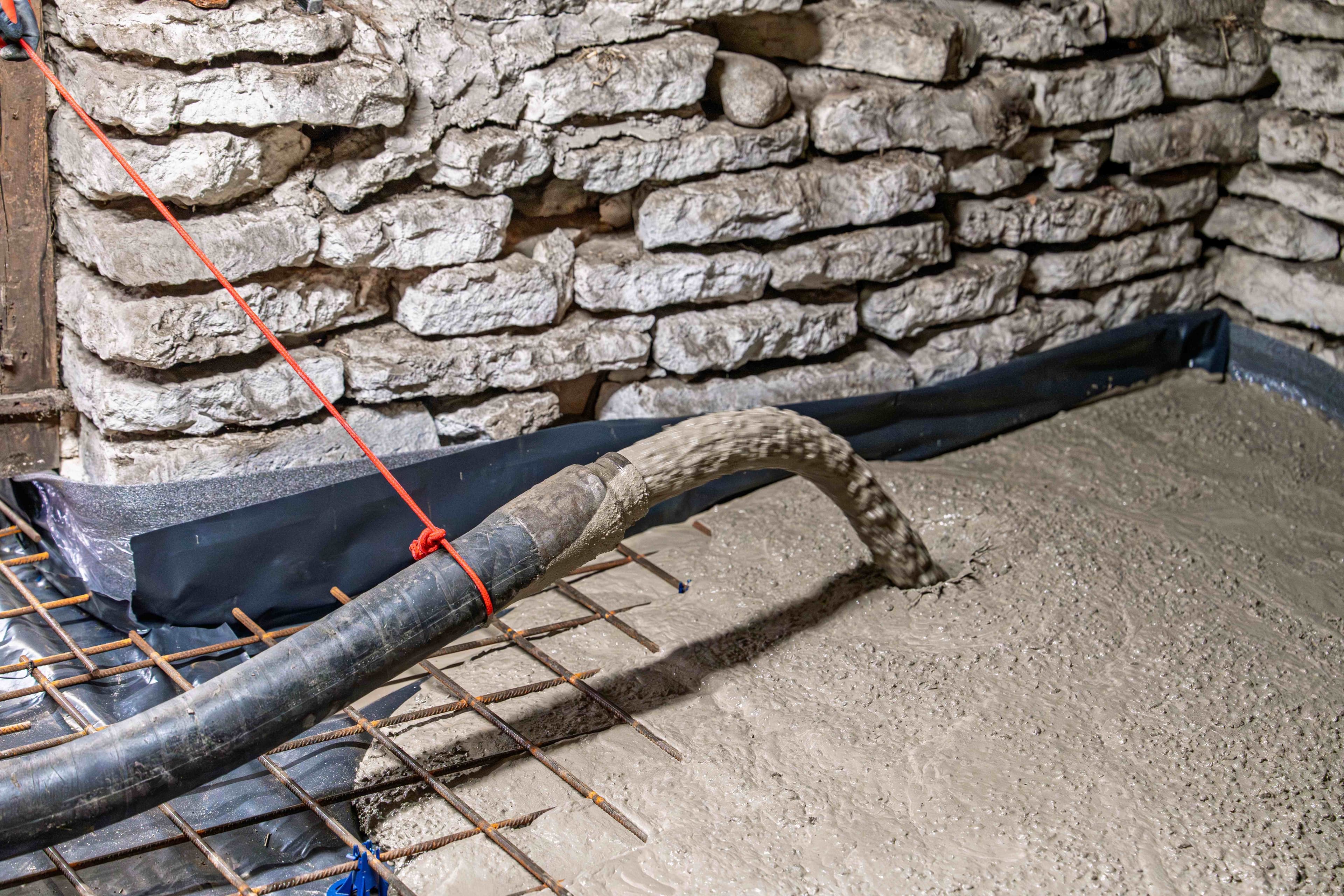
Set forms and any needed reinforcement for a new or replacement pour
Step 4
Place, level, and finish the concrete to blend with the surrounding surface
Step 5
Tool control joints and edges, then allow proper curing time
Step 6
Clean the site and review the finished flatwork
Local conditions
North Texas Soil and Concrete
The ground under a slab has a lot to do with how flatwork holds up here.
✓Expansive clay soil expands and contracts with wet and dry seasons
✓That soil movement is a leading driver of flatwork cracking here
✓Long, hot summers can affect how a fresh pour cures
✓Heavy downpours test how well water drains off the slab
The expansive clay soils across the Dallas–Fort Worth area swell when wet and shrink when dry, and flatwork sitting on top moves with them. That is why some cracking is common here and why a surface repair, while worthwhile, does not stop the ground from moving. When cracking looks tied to significant settlement, that is a separate conversation from cosmetic flatwork repair.
Planning ahead
What Affects Project Cost
Concrete projects vary widely, so several factors shape the scope and cost.
✓Size of the repair or pour
✓Repair vs. full replacement
✓Removal of old concrete
✓Reinforcement needs
✓Finish and surface matching
✓Access to the work area
✓Drainage or grading work
✓Curing and site cleanup
Ongoing care
Keeping Flatwork in Good Shape
A little upkeep helps concrete last between repairs.
✓Seal or fill new cracks before water works them wider
✓Keep water draining away from slabs and off low spots
✓Clear and maintain control joints so they can do their job
✓Watch settled areas to see whether movement continues
✓Address edge chips early before they spread inward
Related services
Services That Often Go Together
Questions
Concrete & Flatwork FAQs
Can you repair a cracked driveway or patio?
Yes. Cracked or damaged concrete sections can often be cleaned out and patched, or a panel can be removed and replaced, depending on the condition of the surrounding slab.
Is this the same as foundation repair?
No. Concrete repair and flatwork covers driveways, patios, walkways, and small slabs. We do not perform foundation repair, slab leveling that is outside our scope, or structural engineering evaluation.
Will patching a crack keep it from coming back?
Patching restores the surface, but it does not stop the underlying soil movement that may have caused the crack. In areas with expansive clay, some recurrence is possible, and we are upfront about that rather than promising a permanent fix.
Can you match my existing concrete finish?
We work to blend the new finish with the surrounding surface. Concrete color and texture change as they age and weather, so a fresh repair may not be an exact match to older flatwork.
Do you handle sidewalks and driveway approaches at the street?
Work inside the public right-of-way or on city-controlled driveway approaches requires the appropriate approvals and is outside our standard scope. We can talk through what falls on private property versus the right-of-way.
Why does concrete crack in the first place?
Concrete naturally shrinks as it cures, and it also responds to ground movement, moisture, and temperature. Control joints are placed to guide where cracking happens, which is why some fine cracking is normal.
Can you add a small new section of flatwork?
Yes. Small new pours such as a short walkway, a pad, or an added patio section can be scoped based on the site, access, and how it ties into what is already there.
How long before I can use new concrete?
Concrete needs time to cure, and how long depends on the mix, the weather, and the use. We share practical guidance for your specific pour so the surface is not loaded too soon.
Can I send photos for a free estimate?
Yes. Photos of the cracked or damaged area, with something for scale, help us understand the concrete project before we follow up.