
Free Estimates
Same-Day Service — Subject to Availability
Emergency Service — Subject to Availability
Financing Available
Cash & Credit Cards Accepted
Attic Insulation in DFW
Coverage and Airflow Work Together
Good attic insulation is about even coverage, the right material, and keeping the attic ventilated at the same time.
Attic insulation is one of the quieter parts of a home, but it does a lot of work. When coverage is thin, uneven, or aging, the attic heat that North Texas is known for has an easier time reaching the rooms below, and the whole house works harder to stay comfortable. The fix can be as simple as topping up loose-fill coverage, or it may mean removing tired material and starting fresh.
We look at what is already in the attic, the condition it is in, and how the space is ventilated before recommending anything. Insulation and airflow have to be balanced, because piling material over blocked soffit vents traps moisture instead of helping. What we do not do is promise a specific energy-savings number, since comfort and utility use depend on the entire home, not insulation alone.
✓New blown-in insulation
✓Loose-fill insulation top-ups
✓Removal of old insulation
✓Replacement of damaged insulation
✓Improving thin or uneven coverage
✓Spray foam in accessible areas
✓Insulating accessible attic hatches
✓Baffles to keep vents clear
✓Coverage around accessible framing
✓Leveling settled insulation
✓Cleanup after removal work
✓Coverage checks after install
What we look for
Common Insulation Problems
These are the situations that most often lead homeowners to look at their attic insulation.
✓Rooms that never feel evenly conditioned
✓Thin or patchy insulation across the attic floor
✓Insulation that has settled and lost depth
✓Old insulation that is dirty or deteriorated
✓Bare spots where insulation is missing
✓An upstairs that runs much warmer than downstairs
✓Insulation disturbed by past attic work
✓A recent remodel that left gaps in coverage
✓Insulation that was never brought up to current depth
✓A hot attic making rooms below hard to cool
Materials and options
Insulation Types and Components
Different attics call for different materials, and coverage is only part of the system.
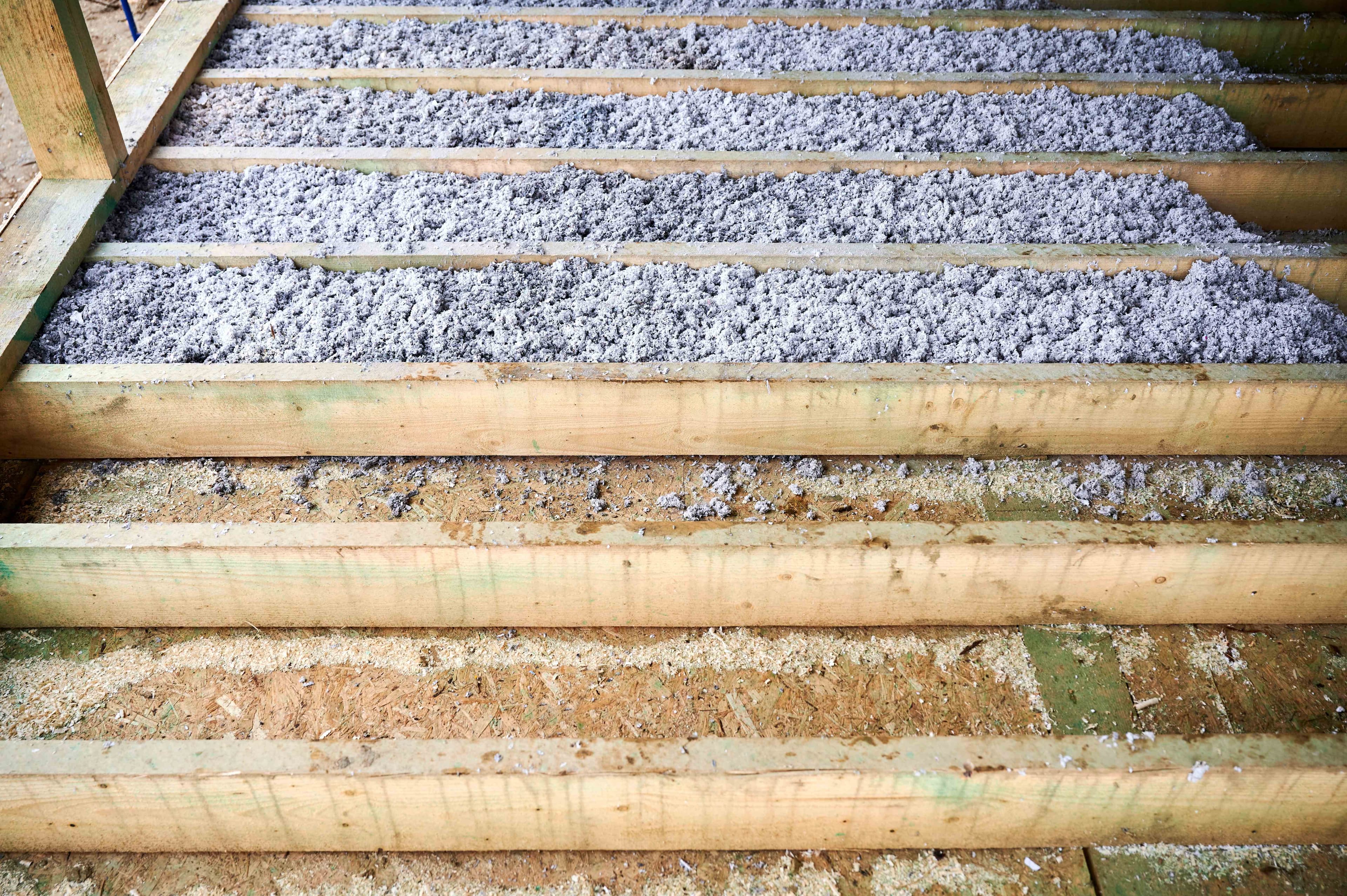
Blown-in cellulose
Loose cellulose is blown in to fill the attic floor and settle into gaps around joists. It is a common choice for topping up or replacing coverage.
Loose-fill fiberglass
Blown fiberglass is another loose-fill option that spreads across the attic floor to build up an even layer of coverage.
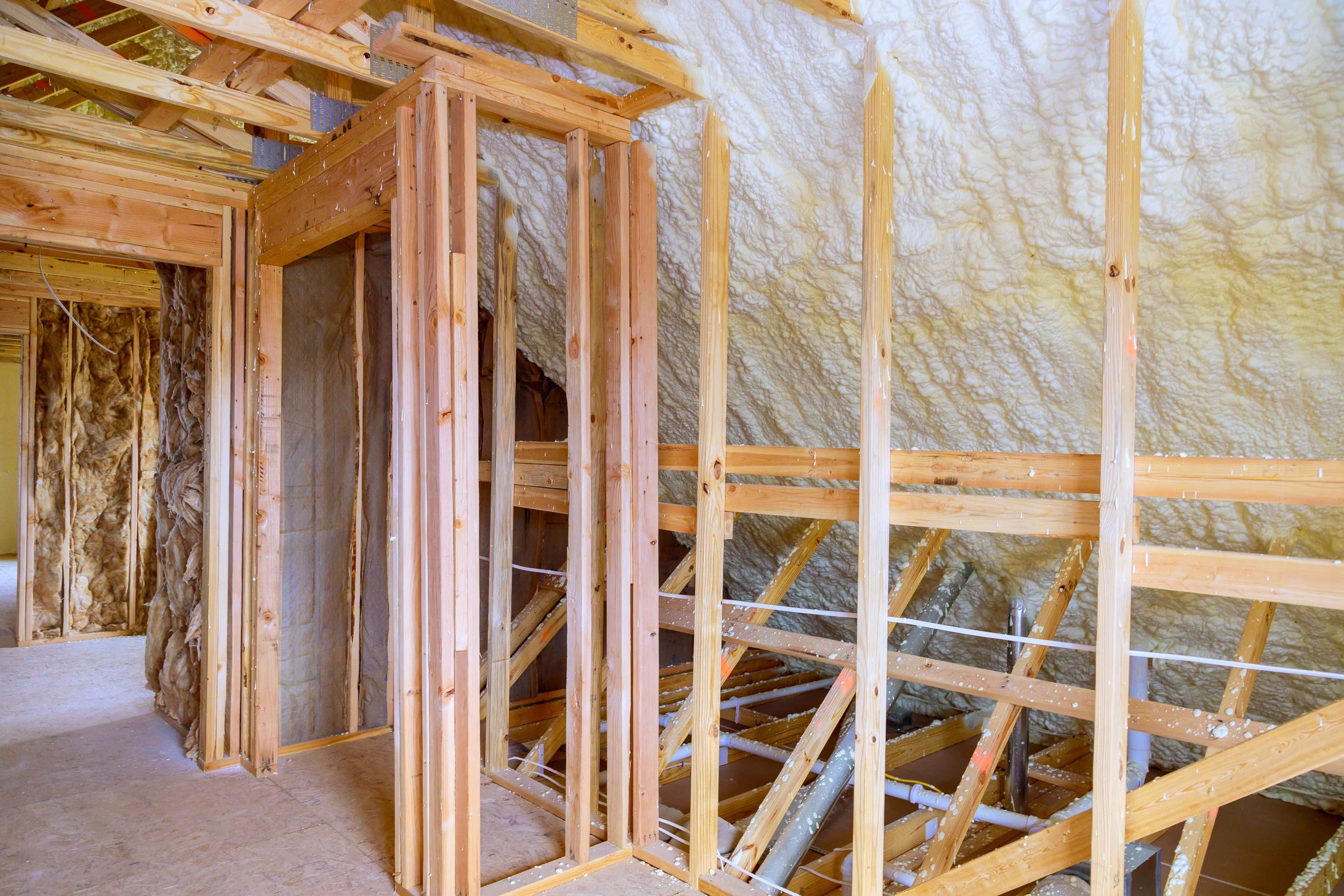
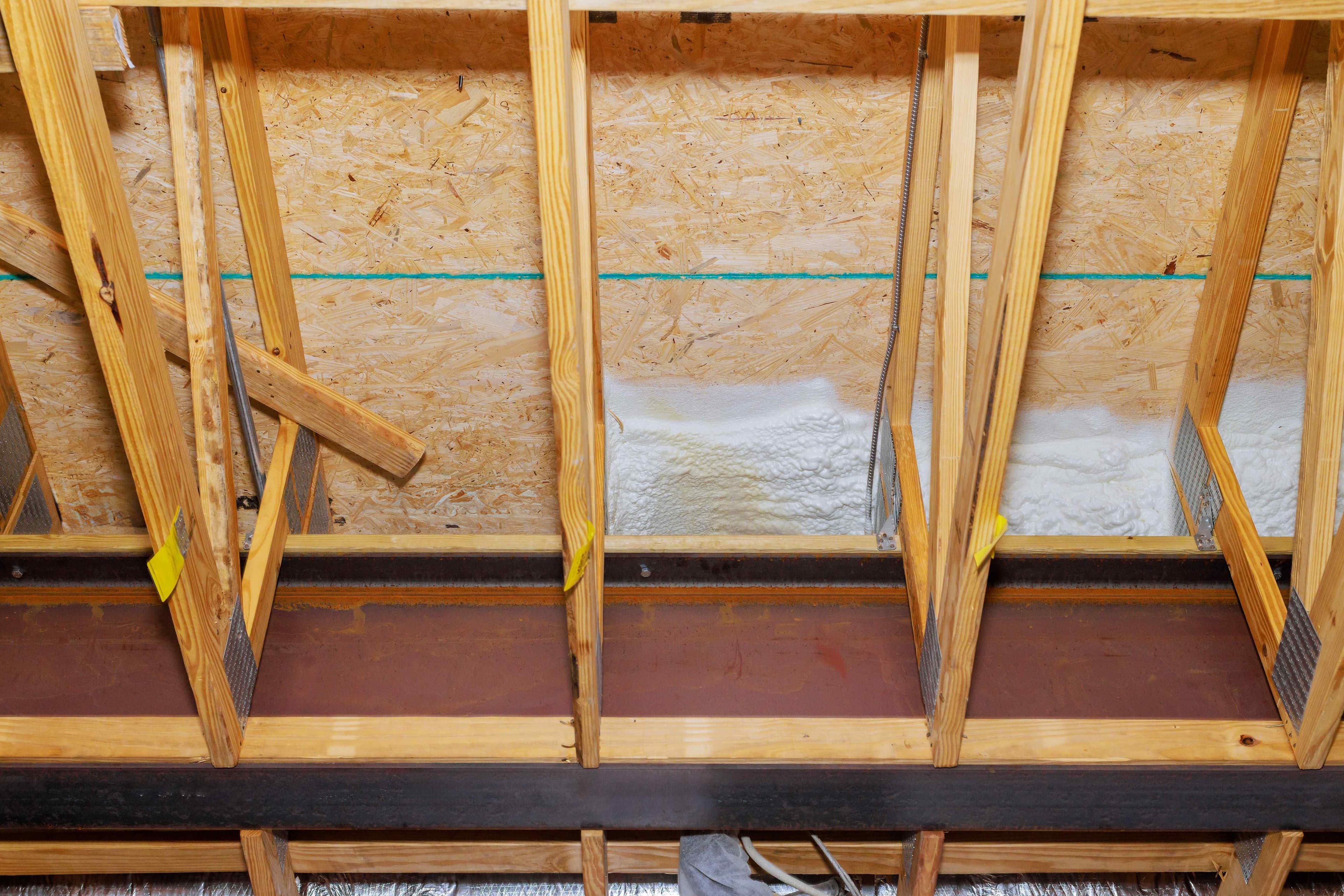
Spray foam
Applied where appropriate and accessible, spray foam expands to fill and seal cavities. It is used selectively rather than as a default for every attic.
Baffles and vents
Baffles keep insulation from blocking soffit vents so the attic can still breathe, which matters as much as the insulation itself.
Attic hatch and access
The access hatch is an easy spot to lose coverage. Insulating and weatherstripping it helps the attic perform as a whole.
Air-sealing details
Sealing accessible gaps around penetrations before adding insulation helps the insulation do its job rather than working against leaks.
Making the right call
Top Up or Remove and Replace
Whether to add to existing insulation or start fresh comes down to the condition of what is already there.
A top-up may be enough when:
✓Existing insulation is dry and in good condition
✓Coverage is simply thinner than it should be
✓The material has settled but is otherwise sound
✓You want to build up depth over what is already there
✓There are localized bare spots to fill in
Removal first may be the better path when:
✓Insulation is wet, matted, or clearly deteriorated
✓There is contamination or debris mixed into the material
✓Past work left the insulation uneven or disturbed
✓Coverage is so thin that a top-up would not be enough
✓Rodent or pest activity has fouled the existing material
Planning ahead
What Shapes an Insulation Project
A few attic conditions determine the practical approach.
✓The type and condition of the existing insulation
✓How the attic is accessed and how much clearance there is
✓Attic ventilation, so added insulation does not block airflow
✓Any moisture staining that should be looked at first
✓Wiring, fixtures, and penetrations across the attic floor
✓Whether removal is needed before new insulation goes in
Our approach
How the Work Usually Goes
A typical sequence from attic review through cleanup.
Step 1
Review the attic, the existing insulation, and the ventilation
Step 2
Protect access paths and set up containment where removal is needed
Step 3
Remove old or damaged insulation when the condition calls for it
Step 4
Install blown-in, loose-fill, or spray foam as appropriate for the attic
Step 5
Keep vents clear with baffles and confirm even coverage
Step 6
Clean up the work area and review what was done
Local conditions
North Texas Attics Run Hot
Summer attic temperatures are a big part of why insulation matters here.
✓North Texas attics can reach extreme temperatures in summer
✓That attic heat pushes into the rooms directly below
✓Even coverage helps the home hold conditioned air more steadily
✓Ventilation matters year-round, not just in the hottest months
During a North Texas summer, an attic can get far hotter than the outside air, and that heat presses down into the living space below. Even, well-ventilated insulation helps the home hold its conditioned air more steadily. It is one meaningful factor in comfort, though not the only one, which is why we avoid promising a specific result.
Planning ahead
What Affects Project Cost
Insulation projects vary by attic, so several factors shape the scope and cost.
✓Attic square footage
✓Target coverage and depth
✓Insulation type
✓Removal of old material
✓Attic access and clearance
✓Ventilation and baffle work
✓Air-sealing before install
✓Cleanup and disposal
Ongoing care
Keeping Insulation Effective
A few checks help coverage keep doing its job.
✓Check that insulation still looks even and has not shifted
✓Keep stored items from compressing insulation in walk areas
✓Watch for new moisture staining on the attic floor or deck
✓Make sure soffit vents stay clear of blown insulation
✓Note any room that suddenly feels different from the rest
Related services
Services That Often Go Together
Questions
Attic Insulation FAQs
Do you remove old attic insulation?
Yes. Removal and replacement can be scoped based on the existing material and its condition. Wet, matted, contaminated, or badly deteriorated insulation is usually removed before new insulation goes in.
Will new insulation lower my energy bills by a specific amount?
We cannot promise a specific savings figure. Comfort and energy use depend on the whole home, including HVAC, ductwork, windows, air leakage, and how the home is used, so insulation is only one part of the picture.
What is the difference between blown-in and spray foam?
Blown-in cellulose or fiberglass builds up a loose layer across the attic floor and is common for topping up or replacing coverage. Spray foam expands to fill and seal cavities and is used selectively in accessible areas where it makes sense.
Can you just add insulation on top of what I have?
Sometimes. If the existing insulation is dry and in good condition, adding to it can be practical. If it is wet, contaminated, or deteriorated, removal first is usually the better path.
Do you handle mold, asbestos, or hazardous materials?
No. This service does not include mold remediation, asbestos abatement, or other hazardous-material handling. If we see conditions that suggest those issues, we recommend a qualified specialist before insulation work continues.
Why is my upstairs so much hotter than downstairs?
Uneven or thin attic insulation is one common contributor, especially with the attic heat we see in North Texas. Ductwork, air leakage, and HVAC sizing can also play a role, so it is worth looking at the whole picture.
Does the attic still need ventilation if it is well insulated?
Yes. Insulation and ventilation work together. We use baffles so added insulation does not block soffit vents, since the attic still needs to breathe.
How do I know if my insulation has settled?
Settled insulation looks lower and more compressed than it once did, and you may see joists standing above it. A quick look in the attic usually makes it clear whether depth has been lost.
Can I send photos for a free estimate?
Yes. Photos from the attic access, along with a note about which rooms feel uncomfortable, help us understand the insulation project before we follow up.