
A burst pipe, a storm event, a fallen tree limb, or a broken appliance hose can turn an ordinary day into a stressful one. The good news is that most of these situations follow a similar first-response pattern: stay safe, limit further damage where it is reasonable to do so, document what happened, and get in touch with your insurance company.
This guide walks through that first-response process for Dallas–Fort Worth homeowners, landlords, and property managers. It is general information, not insurance, legal, or restoration advice, and it does not replace guidance from your insurer, adjuster, or a licensed professional when one is needed.
Start With Safety
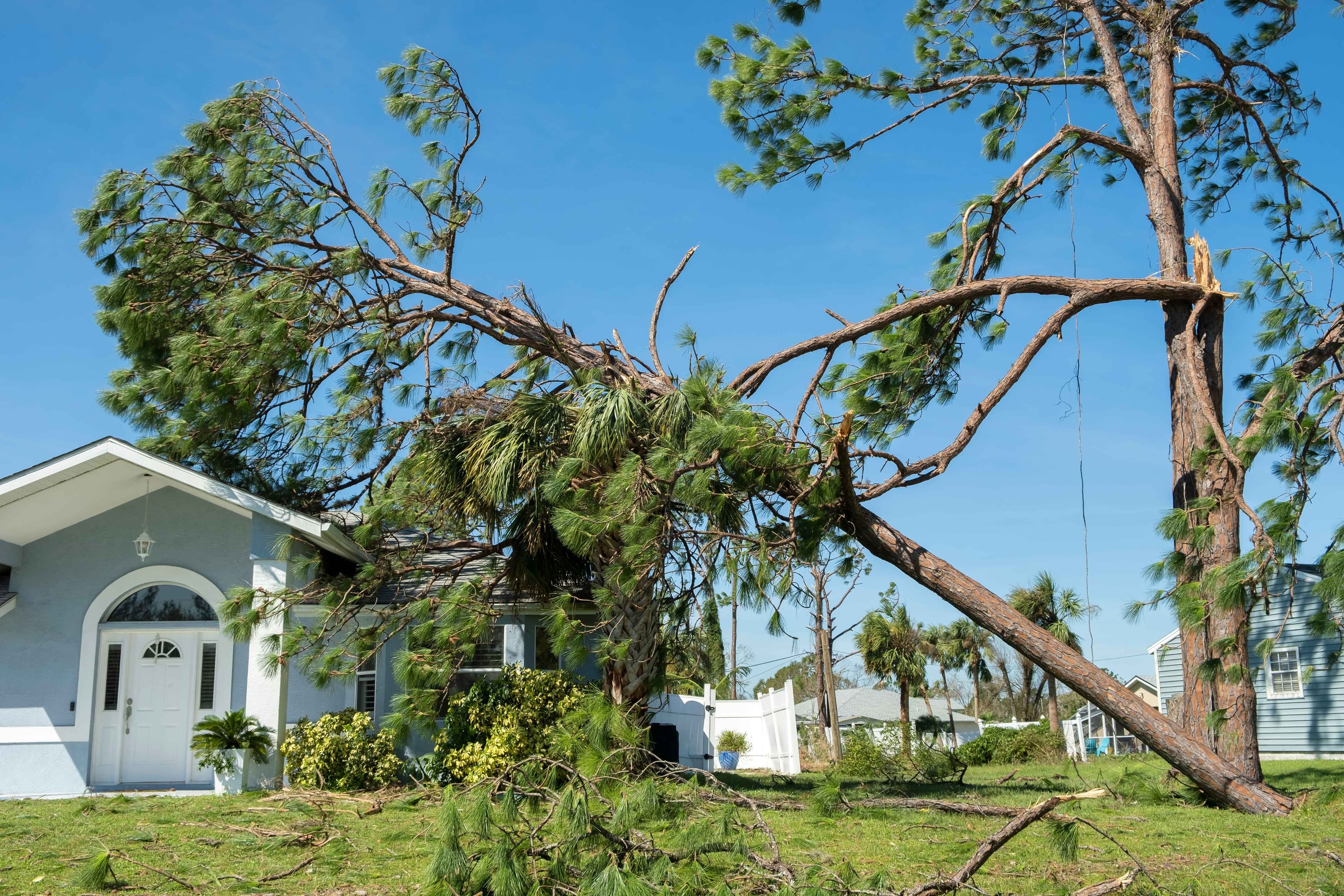
Before anything else, make sure the immediate situation is safe.
- Leave the area and call 911 if there is immediate danger, a fire, the smell of gas, a downed power line, an unstable structure, or any risk of electrical shock.
- Do not enter standing water that is anywhere near electrical outlets, panels, or equipment.
- Only shut off water at the source if it is safe to do so and you know how.
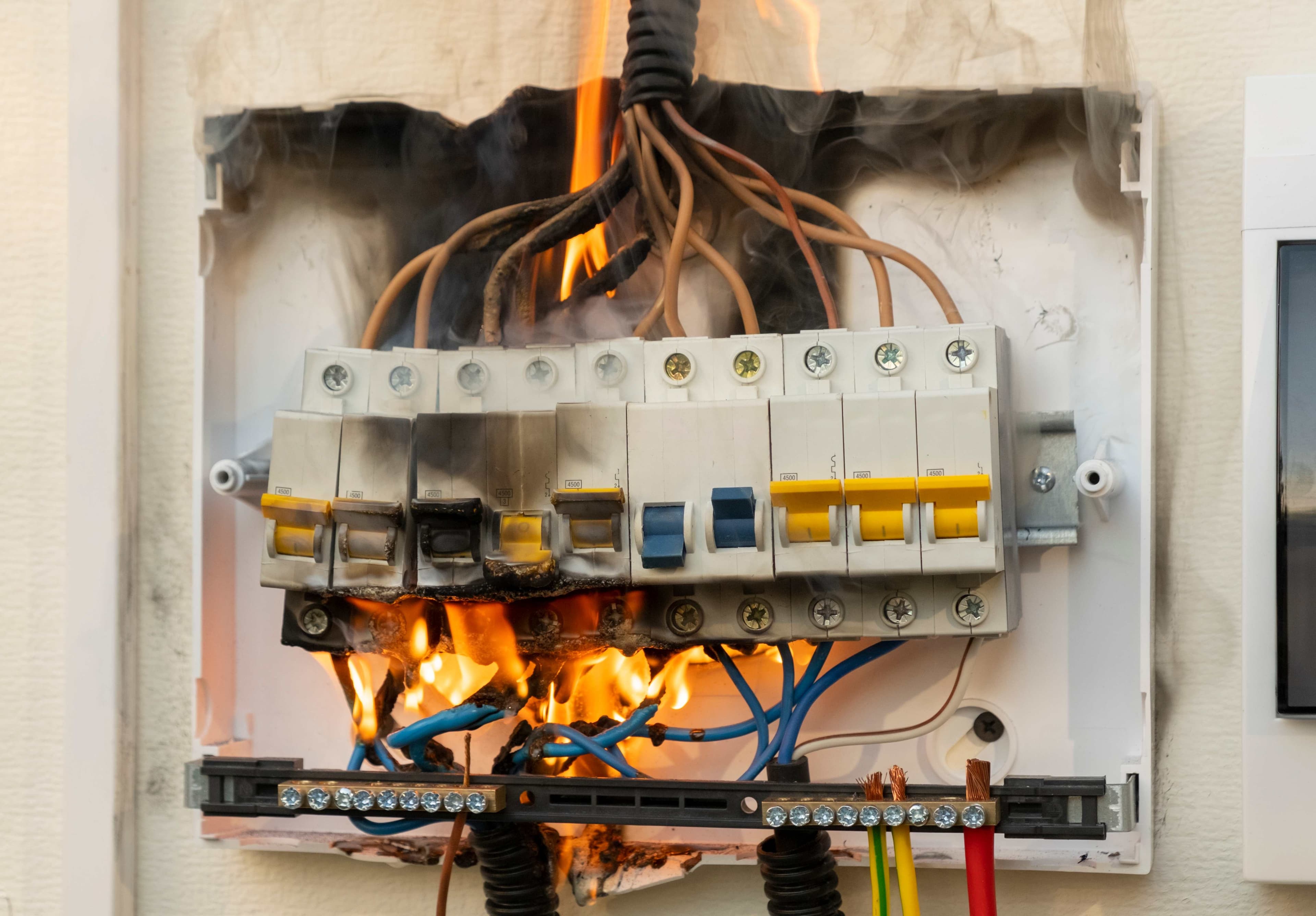
These are general safety reminders, not a substitute for calling emergency services when a situation feels dangerous. If anything about the damage involves exposed wiring, sparking, or a burning smell, treat it as an electrical hazard first.
Stop Further Damage When You Can Do It Safely
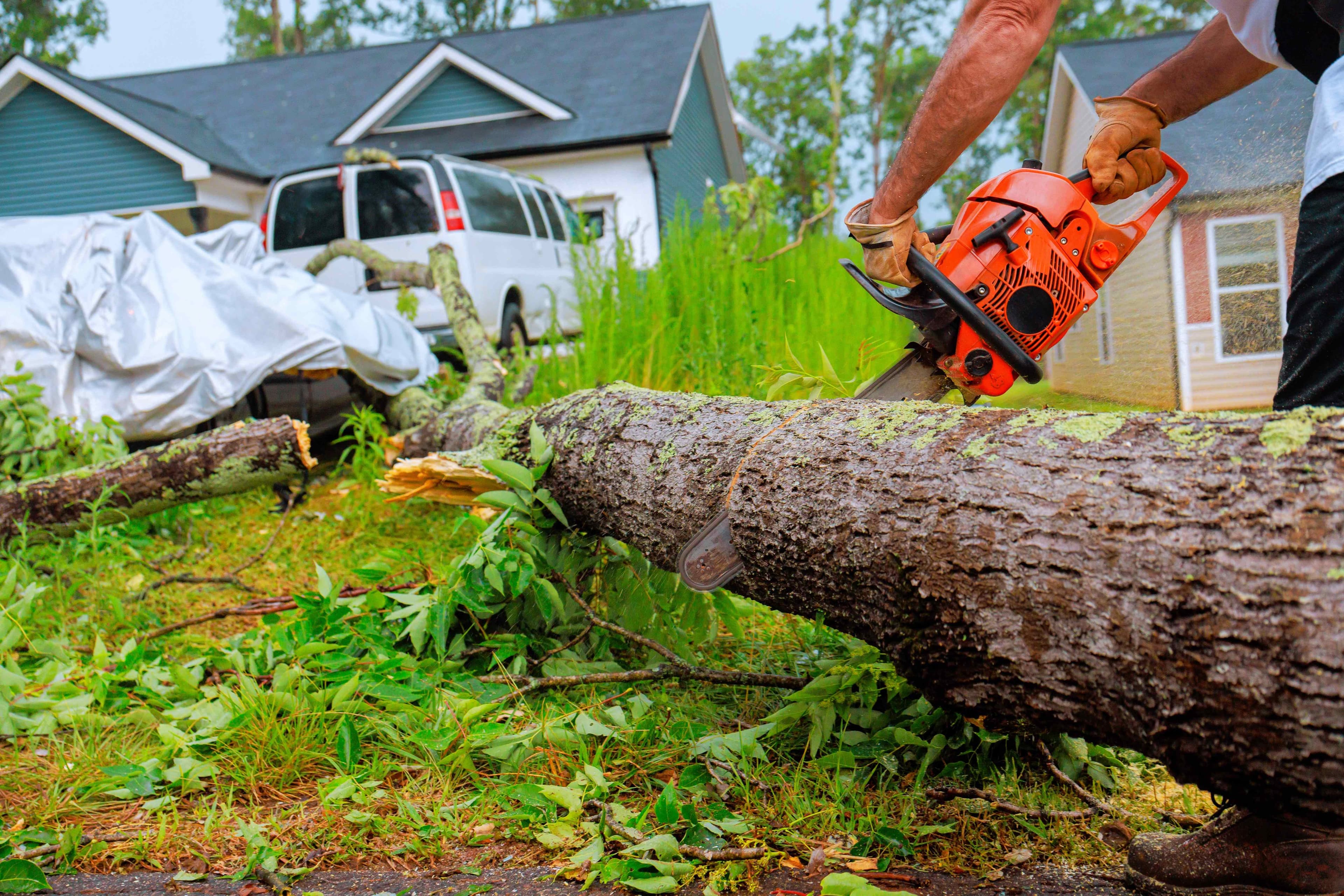
Once the immediate danger is addressed, it can help to limit further damage, but only if it is safe to do so.
- Move belongings away from the affected area.
- Use a container, towel, tarp, or other temporary protection when it is appropriate and safe.
- Keep receipts for any reasonable temporary materials or emergency work.
It helps to think of this as temporary mitigation, not permanent repair. A tarp over a damaged roof area or a bucket catching a drip is meant to reduce further damage while you sort out next steps. It is a different thing from the actual repair work, which generally comes later, after the insurer or adjuster has had a chance to review the damage.
Document Everything Before Cleanup or Repairs
Good documentation can make the rest of the process easier.
- Take wide photos and close-up photos or video of the affected areas.
- Note the date, time, possible cause, affected rooms, and visible damage.
- Keep damaged materials or belongings, when it is safe to do so, until the insurer or adjuster lets you know what to do with them.
- Keep invoices, receipts, contractor information, and notes from every conversation together.
Taking photos or video before any temporary work, when it is safe to do so, gives you and your insurer a clearer picture of the original damage.

Contact the Insurance Company Promptly
Once things are safe and documented, reach out to your insurance company or agent.
- Report the damage through your insurer or agent as soon as you reasonably can.
- Ask what they need from you, whether an adjuster will inspect the property, and whether there are any steps they want taken before permanent repairs begin.
- Keep your claim number and the names and dates from every conversation.
This guide is general information only. Whether a specific loss is covered, how much a claim may pay, and how long the process takes all depend on your individual policy, the cause of loss, applicable exclusions, your deductible, and your insurer's decision. Premier Handyman Group is not an insurance agent, public adjuster, or legal advisor, and we cannot tell you what your policy covers.

Understand the Difference Between the Cause and the Repair
It can help to separate a sudden-damage situation into two parts.
First, the source of the damage generally needs to be addressed. A burst pipe, a plumbing leak, an electrical issue, an opening in the roof, or a mold concern may call for a specialized or licensed provider, such as a plumber, electrician, roofer, or emergency water-extraction company. Premier Handyman Group does not perform this type of specialized emergency, plumbing, electrical, roofing, or mold-remediation work.
Second, once the cause has been handled and the area is safe, there is often finish and repair work left behind, things like drywall, trim, paint, flooring transitions, cabinets, or caulking, depending on the scope of the damage. That second part is where a handyman-scale repair conversation can make sense. A tarp or other temporary cover, like the one shown below, is a short-term measure while the underlying cause and the insurance process are sorted out; it is not the permanent repair itself.
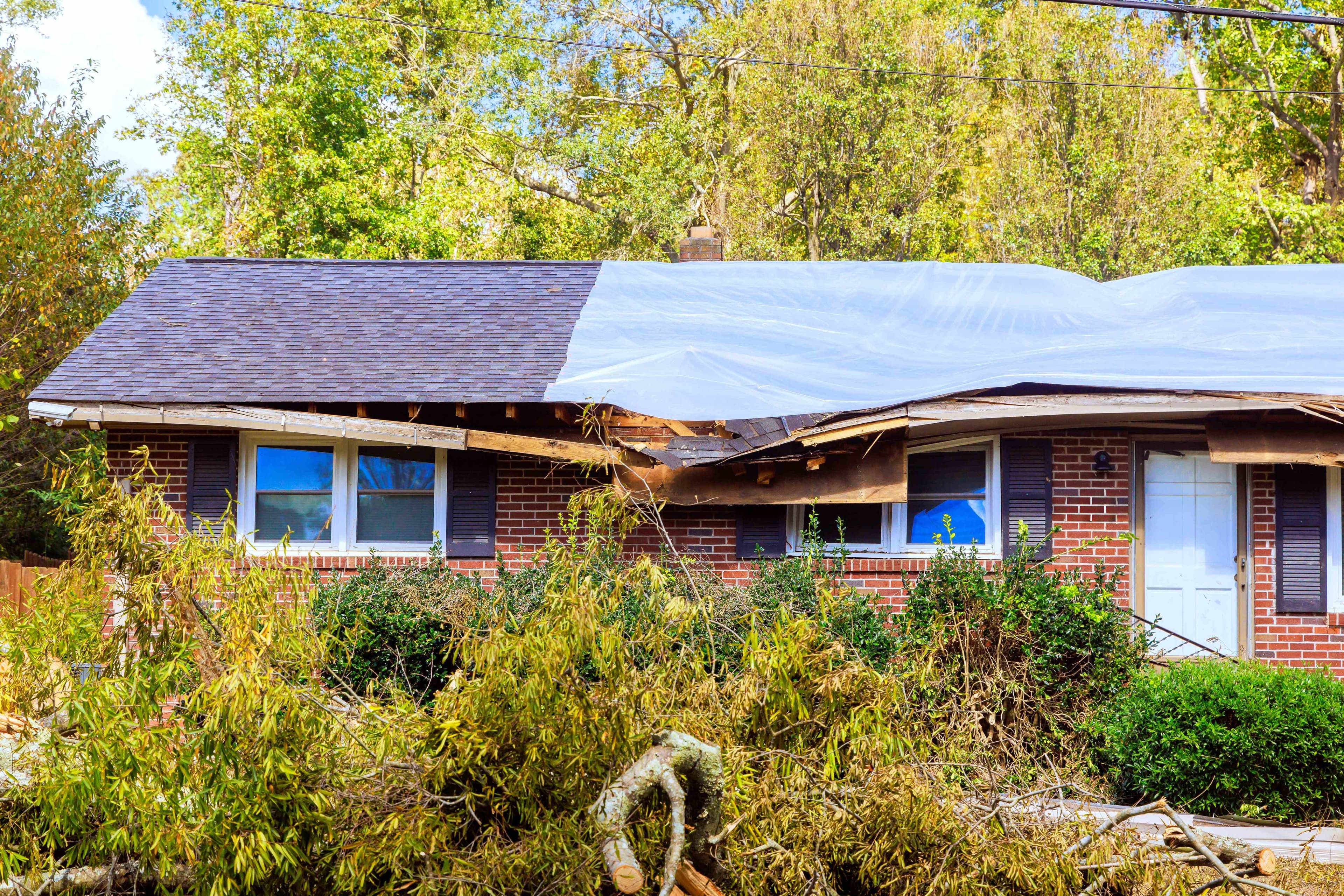
In general, permanent repairs should wait until the insurer or adjuster has provided direction, unless immediate work is genuinely necessary for safety or to prevent additional damage.
When to Bring in a Repair Professional
Once the source of the damage has been addressed and the property is safe, Premier Handyman Group can review compatible repair and finish-work needs, drywall, trim, paint, flooring transitions, cabinets, caulking, and similar handyman-scale items, depending on what the insurer or adjuster has outlined.
We are not a public adjuster, insurance agent, restoration company, mold-remediation company, emergency water-extraction company, plumber, electrician, roofer, or legal advisor, and we do not perform that type of specialized work. When a situation calls for one of those providers, we will say so rather than take on work outside our scope.
If you would like an initial review, you can send photos and a short description of what needs attention through our contact page.
Common Mistakes to Avoid
- Starting permanent repair work too early, before the insurer or adjuster has weighed in.
- Throwing away damaged items before documenting them or hearing back from your insurer.
- Forgetting to save receipts for temporary materials or emergency work.
- Assuming every type of water damage or storm damage is covered the same way.
- Ignoring an active water source, an electrical risk, or a structural concern.
A Simple Checklist Before You Call
A fast, mobile-friendly way to review the basics before you contact your insurer.
- Is everyone safe?
- Has the source been stopped, if safe to do so?
- Did I take photos or video?
- Did I set up temporary protection only if needed?
- Did I save receipts?
- Did I contact my insurer or agent?
- Do I know whether the property is ready for repair work?
Helpful Official Resources
For general guidance directly from Texas's insurance regulator, the following resources from the Texas Department of Insurance may be useful:
- Getting Your Insurance Claim Paid
General guidance from the Texas Department of Insurance on how the claims process works.
- When Are Water Damage and Mold Covered by Insurance?
How coverage for water damage and mold can vary depending on the cause and your policy.
- Storm Recovery Tips
Texas Department of Insurance guidance for recovering after storm-related damage.
Related Reading