
Every summer, water bills across Dallas–Fort Worth climb as lawns and landscaping need more frequent watering. Homeowners often assume that a higher water bill automatically means a higher sewer charge too, since irrigation water never actually enters the sewer system. It's a reasonable question, and the answer depends on how your specific utility provider calculates residential wastewater charges.
This guide focuses specifically on Dallas Water Utilities customers. It is general information, not billing advice for a specific account, and it does not describe every DFW city's policy.

The Short Answer for Dallas Water Utilities Customers
For Dallas Water Utilities residential accounts, summer irrigation generally increases the water portion of your bill, but it typically does not raise the wastewater (sewer) volume charge above your winter average. That's because Dallas calculates residential wastewater usage using a winter averaging method rather than billing sewer charges on your actual monthly water use.
This is not a discount, and it does not mean an irrigation system eliminates sewer charges. It simply means the wastewater volume charge is based on a different calculation than the water charge.
How Dallas Residential Wastewater Billing Works
According to Dallas Water Utilities' published billing information, residential wastewater usage is estimated using the average water billed during December, January, February, and March, commonly referred to as the winter average.
For each billing month afterward, the wastewater volume charge is based on whichever is lower: the winter average or the customer's actual water use for that month. In practice, that means:
- If your actual water use in a given month is higher than your winter average, typically true in summer with added irrigation, your wastewater charge is generally capped at the winter average rather than rising with the extra water use.
- If your actual water use in a given month is lower than your winter average, the wastewater charge is based on that lower actual usage instead.
Check your own bill or contact Dallas Water Utilities directly to confirm exactly how this applies to your account, since billing details can vary by account type and service history.
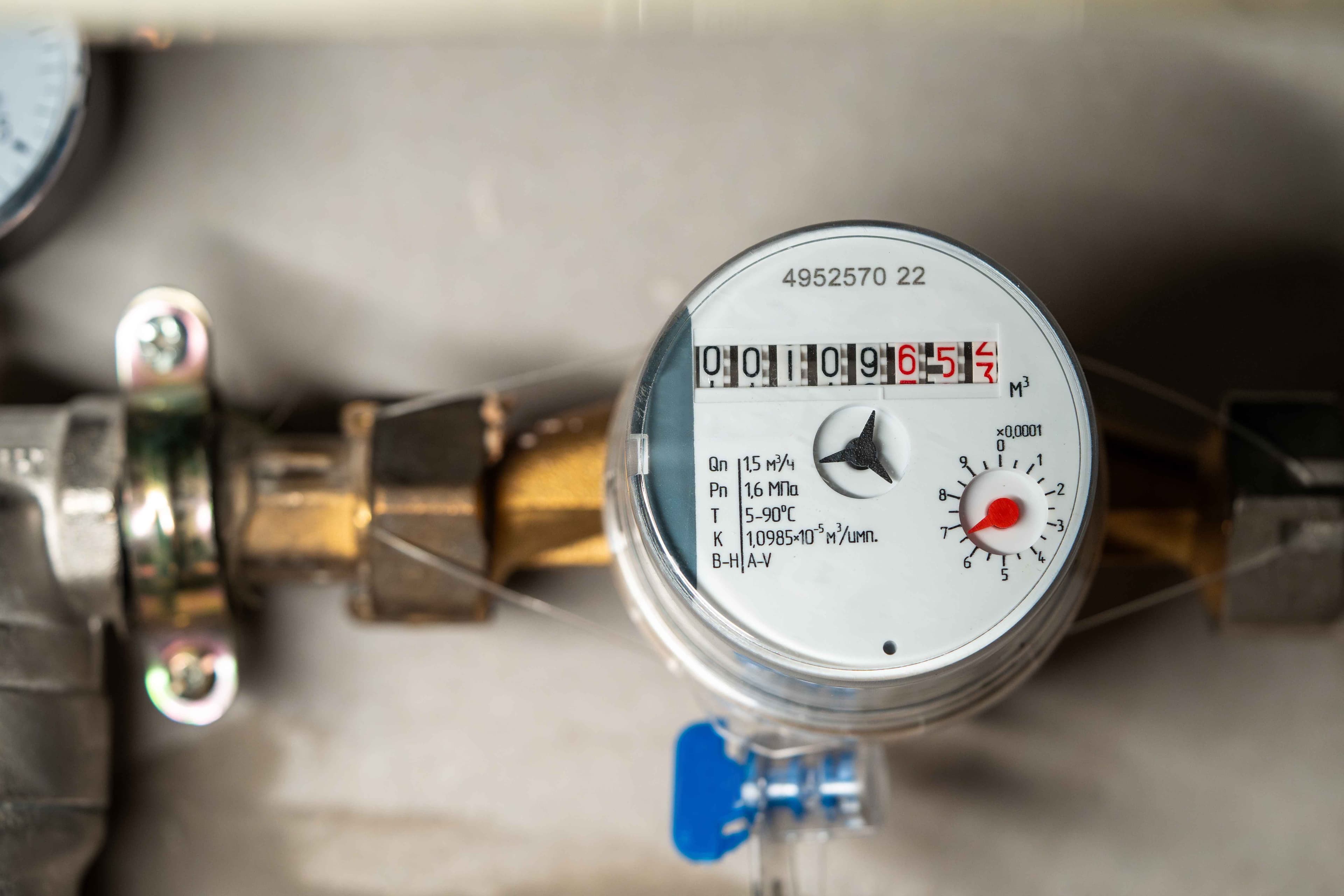
Water Charges and Wastewater Charges Are Different Line Items
A Dallas water bill combines more than one type of charge, and it helps to understand that they are calculated differently:
- Water charges are generally based on the actual amount of water that passes through your meter each month, including any additional water used for summer irrigation.
- Wastewater (sewer) charges are based on the winter-average method described above, capped at the lower of your actual monthly use or your winter average.
That distinction is why a homeowner can see a noticeably higher water bill in July or August while the wastewater volume charge stays close to what it was in the winter months. The two charges simply respond to different inputs.

Why Winter Water Use Matters
Because the winter average sets the ceiling for wastewater charges for the rest of the year, what happens during December through March directly affects billing later on. A few situations can push that winter average higher than it should be:
- An indoor leak, such as a running toilet or a dripping fixture, that goes unnoticed in winter.
- A slab leak or irrigation line leak that runs during colder months.
- Unnecessary winter irrigation, for example a controller left on a summer schedule during cooler months when the lawn doesn't need it.
A higher winter average isn't only a winter problem. It can mean paying more for wastewater throughout the rest of the year than would otherwise be necessary. Reviewing water use and checking for leaks during the winter averaging period is one of the more useful things a homeowner can do before the summer billing season arrives.

Smart Ways to Reduce Unnecessary Outdoor Water Use
Regardless of how sewer charges are calculated, reducing unnecessary outdoor water use helps keep the water portion of the bill in check and supports the water-conservation goals the City of Dallas asks residents to follow. A few practical steps:
Repair leaking or misdirected sprinkler heads
A cracked head, a broken riser, or a head pointed at pavement instead of turf can waste a meaningful amount of water every time a zone runs.
Check for runoff onto sidewalks, streets, or driveways
Water pooling on hardscape instead of soaking into the lawn is often a sign of a clogged nozzle, a bad angle, or a zone running longer than the soil can absorb.
Adjust the controller seasonally
A schedule built for July is usually too much for April, May, or October. Reviewing run times as temperatures change can reduce unnecessary cycles.
Use rain and freeze sensors
A functioning rain sensor should stop a cycle after enough rainfall, and a freeze sensor should stop the system from running in freezing conditions. If either sensor is disconnected or not working, the system may run when it shouldn't.
Review the bill and investigate unexpected spikes
Comparing month-to-month water use can help catch a stuck valve, a leaking line, or a zone that started running longer than intended.
For more conservation guidance directly from the city, see Save Dallas Water's tips for lowering bills all year long. Dallas also maintains outdoor watering and irrigation rules under its water-conservation ordinance, available at Save Dallas Water's ordinance resource center. Always water within your current local restrictions rather than on a fixed personal schedule, and keep in mind that automatic sprinkler systems in Texas are generally required to have a working rain sensor and freeze sensor.
When a Sprinkler-System Inspection May Help
If a water bill jumps well beyond what seasonal watering would explain, or a lawn has soggy patches, constant runoff, or zones that seem to run longer than expected, it may be worth having the irrigation system inspected. A qualified, licensed irrigation professional can check for stuck valves, broken lines, misaligned heads, and controller or sensor problems that a homeowner may not notice from the surface.
Diagnosing or repairing the irrigation system itself, including valves, controllers, and buried lines, falls outside general handyman scope and should be handled by that kind of specialist.

Before you assume your bill works this way
Everything above describes how Dallas Water Utilities calculates residential wastewater charges. It is not a statement about how every DFW city bills for water and sewer service. Other cities and utility providers, including some suburbs served by their own municipal utilities or by a different provider entirely, may use a different averaging method, a different averaging period, or no winter-average method at all. Some accounts may also have access to a separate irrigation meter with its own billing rules. Always check your own water bill or contact your utility provider directly before assuming a policy from one city applies to your account.
The Takeaway
For Dallas Water Utilities customers, a higher summer water bill from lawn irrigation is expected, but it generally shouldn't push your wastewater charge above your winter average. What matters most is keeping winter water use accurate, watching for leaks year-round, and making sure the irrigation system itself isn't wasting water through broken heads, runoff, or a schedule that doesn't match the season.
We can help with compatible exterior maintenance and minor repairs, such as repairing damaged fence sections or addressing small exterior issues. For irrigation-system diagnosis or changes, use a qualified licensed irrigation professional. Premier Handyman Group is not a plumber, licensed irrigator, utility provider, or billing authority, and nothing in this article should be treated as a substitute for information from Dallas Water Utilities.
If you have exterior maintenance items you'd like reviewed, such as a fence section damaged by a misdirected sprinkler head, you can send photos and a short description through our contact page. For a broader list of exterior items, our property maintenance services page has more detail, and our Dallas location page covers the areas we serve.
Related Reading
Frequently Asked Questions
Does watering my lawn increase my Dallas sewer bill?+
For Dallas Water Utilities residential customers, wastewater usage is generally billed at whichever is lower: the current month's actual water use or the customer's winter average from December through March. Because of that, additional summer irrigation will typically increase the water portion of the bill, but it generally does not push the wastewater volume charge above the winter average. This is general information, not a guarantee for every account, and it does not apply automatically to other DFW cities.
Why does my winter water use matter?+
Dallas Water Utilities uses the average water billed during December, January, February, and March to set the wastewater volume used on later bills. Higher winter use, from an indoor leak, a running toilet, or unnecessary winter irrigation, can raise that average and affect wastewater charges for months afterward.
Will a separate irrigation meter save money?+
Some properties may have the option of a separate meter for irrigation water, which can change how a bill is calculated. Policies, eligibility, and cost vary by city, account type, and property setup. Check your own utility bill or contact your provider directly before assuming this applies to your account.
What should I check if my water bill suddenly increases?+
Start by reviewing the meter reading and usage history on the bill itself, then check for common causes such as a running toilet, a dripping faucet, a slab or irrigation leak, or a sprinkler zone running longer or more often than intended. If usage stays high after checking the obvious sources, contact Dallas Water Utilities or a qualified irrigation or plumbing professional to help identify the cause.