
North Texas summer heat can dry out soil quickly, sometimes within a matter of weeks. Some Dallas–Fort Worth properties sit on clay-rich soil, and clay behaves differently from sandy or loamy soil as moisture levels change. Not every home in the area has the same soil, foundation type, drainage conditions, or risk, but it can still help to understand what dry soil can do and what signs are worth a closer look.
This guide is general information for homeowners, landlords, and property managers, not an engineering or structural assessment. It does not replace a review from a qualified foundation or structural professional when one is needed.
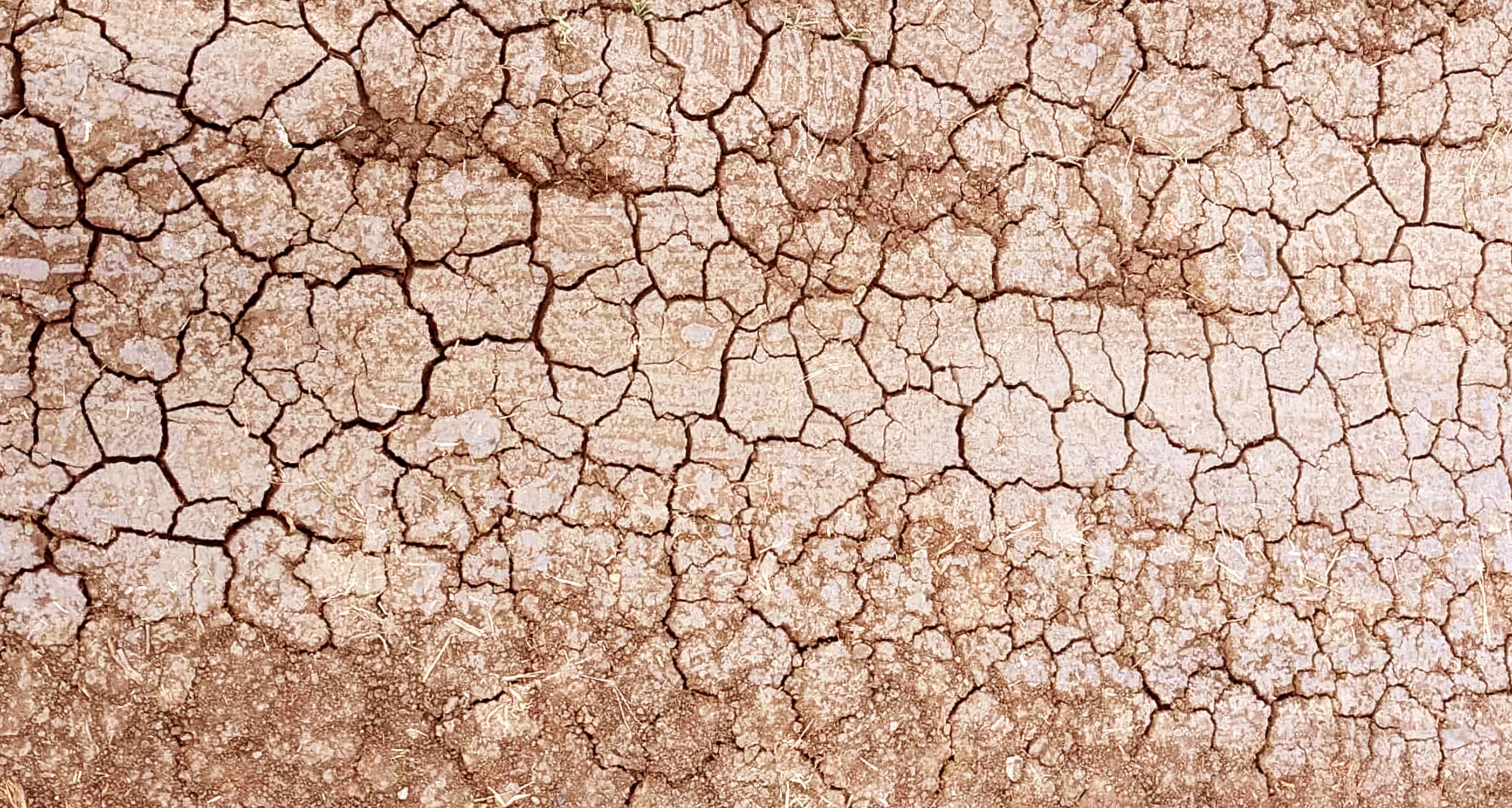
What Happens to Clay Soil During a Dry Summer
Clay soil behaves differently from many other soil types when moisture levels change.
- Clay can hold a significant amount of water compared to sandier soils.
- As it loses moisture during hot, dry stretches, clay can shrink.
- When it later absorbs moisture again, from rain or watering, it can expand.
- Uneven changes in moisture around a home, one side drying out while another stays wetter, are generally what homeowners should pay closer attention to, rather than dry soil on its own.
This shrink-and-swell cycle is a normal characteristic of clay-rich soil. It does not mean every home on clay soil will experience a foundation problem, but it is worth understanding as part of routine seasonal home care.
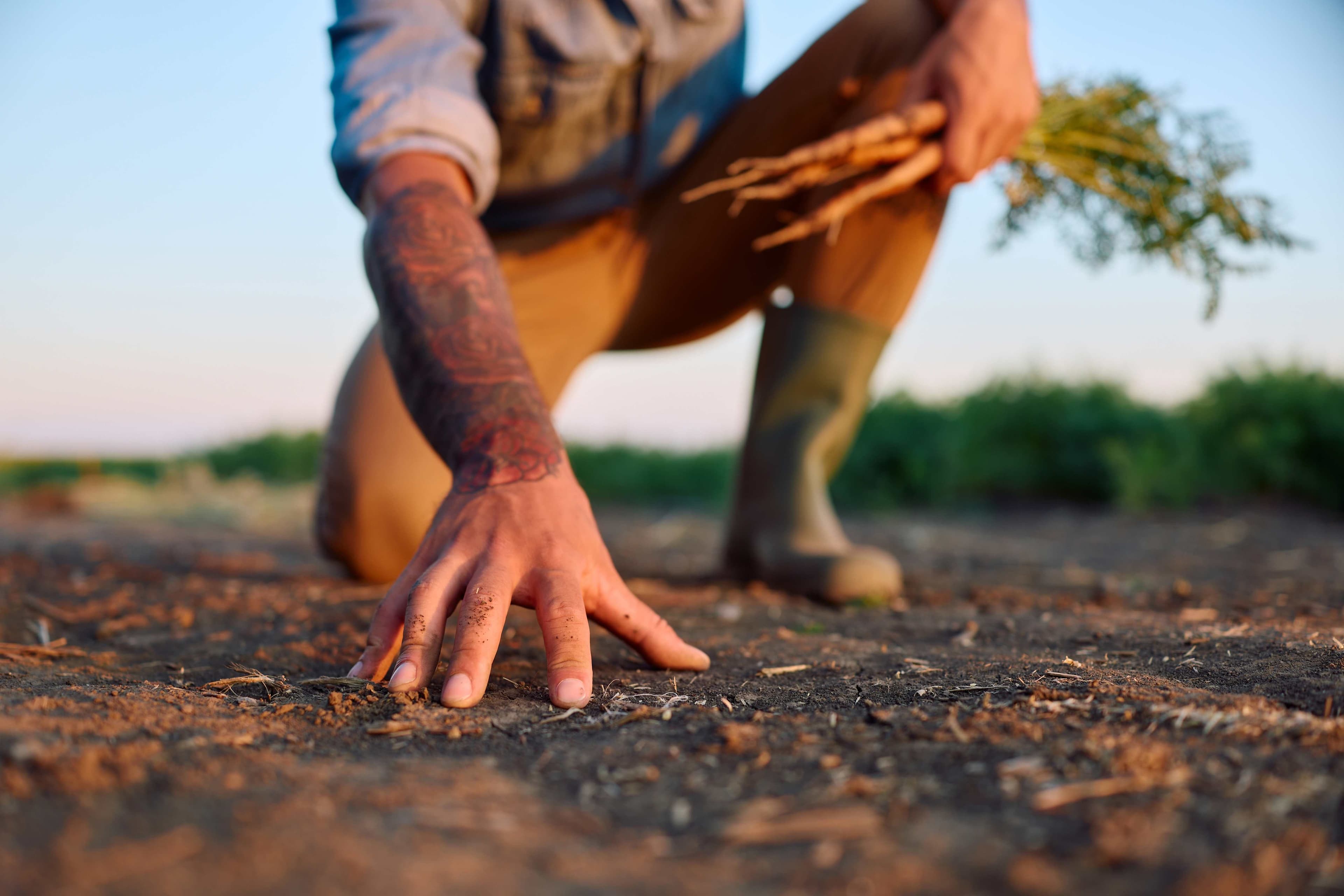
What Homeowners May Notice Outside
During a dry summer, it can help to walk the exterior of the property and look for:
- Dry, visibly cracked soil in the yard or flower beds.
- Soil that appears to have pulled back or separated from the foundation, leaving a visible gap.
- Downspouts that consistently dump water near one area of the foundation.
- One side of the yard staying noticeably wetter or drier than another.
- Trees, landscaping, sprinkler zones, or leaks that may be creating uneven moisture around different parts of the home.
A visible gap between the soil and the foundation can be a sign that the soil nearby has dried and pulled back. It is a condition worth noting and monitoring, not necessarily an emergency by itself.
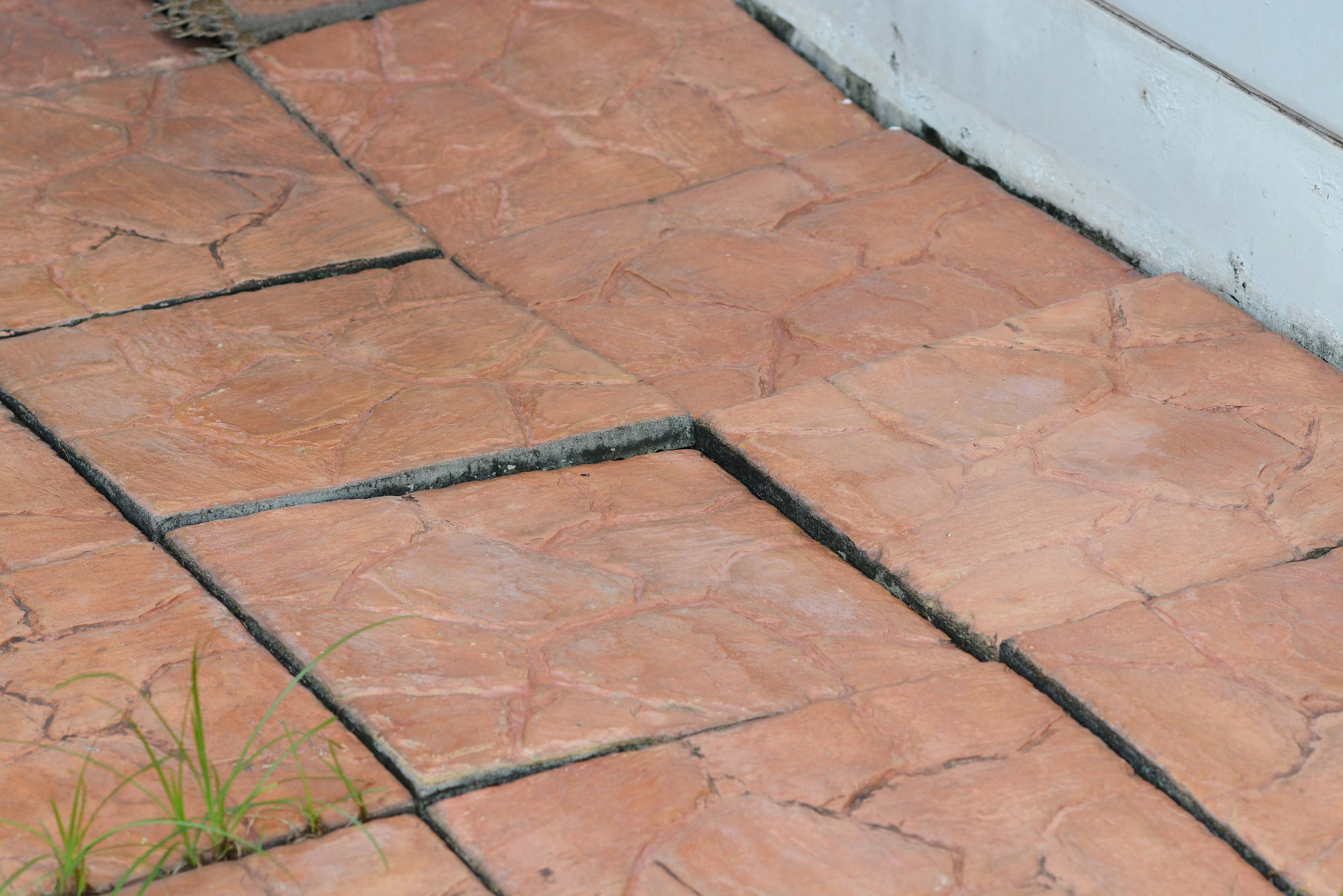
Signs Inside the Home Worth Watching
Some interior signs are also worth keeping an eye on during dry stretches, including:
- New or growing drywall cracks, especially around door frames or corners.
- Doors or windows that begin sticking, or that no longer latch as easily as before.
- Gaps opening up at trim, baseboards, or caulk joints.
- Uneven or changing floor conditions, such as a new slope or squeak.
These signs can have more than one possible cause, including normal seasonal settling, humidity changes, or age of the materials. Noticing one of them does not, by itself, diagnose a foundation problem. What matters more is whether a sign is new, growing, or getting noticeably worse over time.
The Goal Is More Consistent Moisture, Not More Water
For many properties, the general idea behind summer soil care is helping maintain more gradual, even moisture levels in the soil around the home, rather than adding as much water as possible.
Before making changes, it helps to check any current local watering restrictions and to think through the property's existing drainage, landscaping, and irrigation setup. What works for one yard may not be appropriate for another, depending on soil composition, slope, and existing plantings.
Just as important: water should not be allowed to pool or collect directly against the home. Overwatering, standing water, and poor drainage can create their own problems, separate from the issues caused by dry soil.
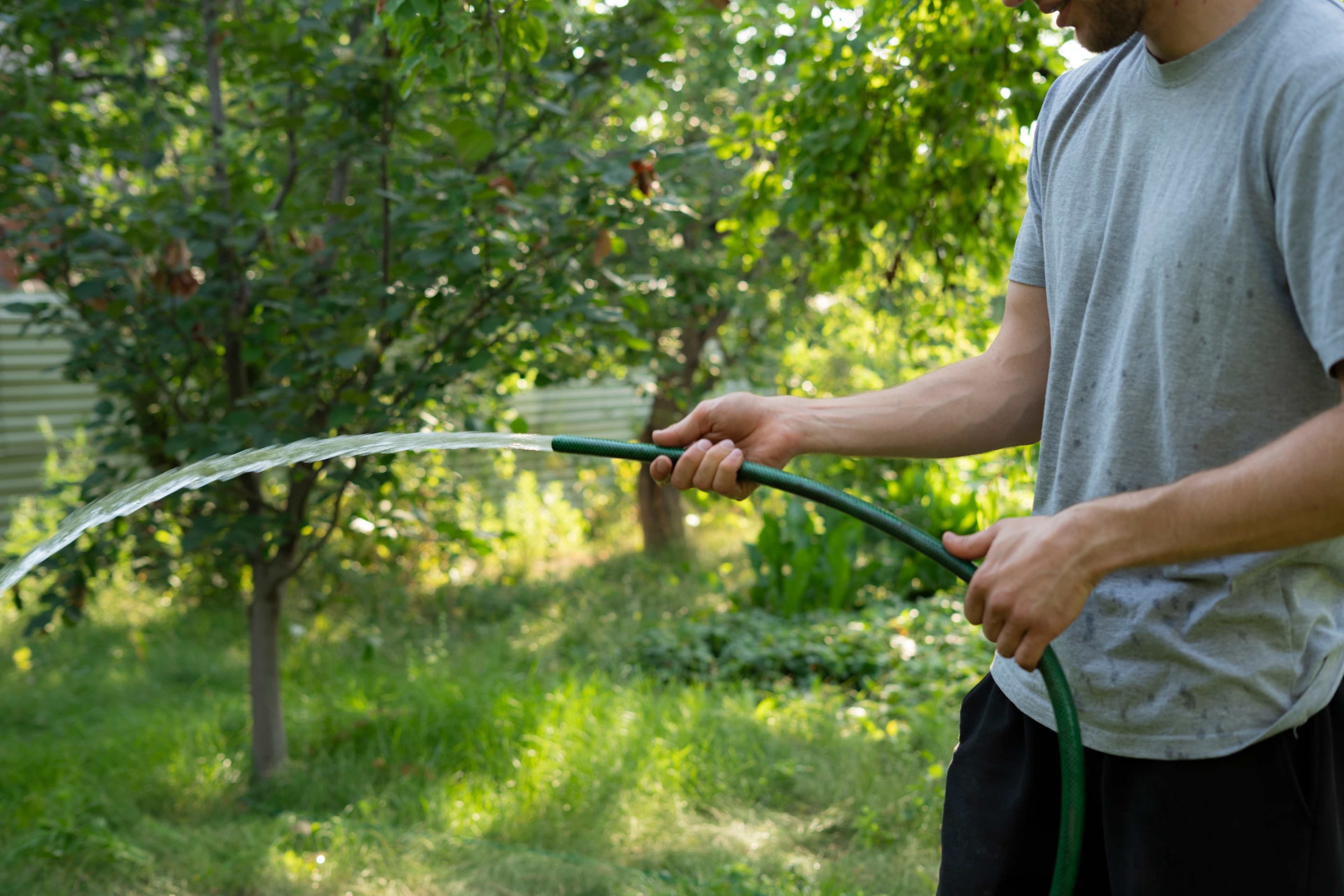
Water Sources That Need Attention
Uneven moisture around a home is often driven by something specific. It can help to check for common sources, such as:
- Clogged gutters that overflow instead of directing water away from the home.
- Downspouts that are short, disconnected, or discharging too close to the foundation.
- Plumbing leaks, indoors or in exterior spigots and irrigation lines.
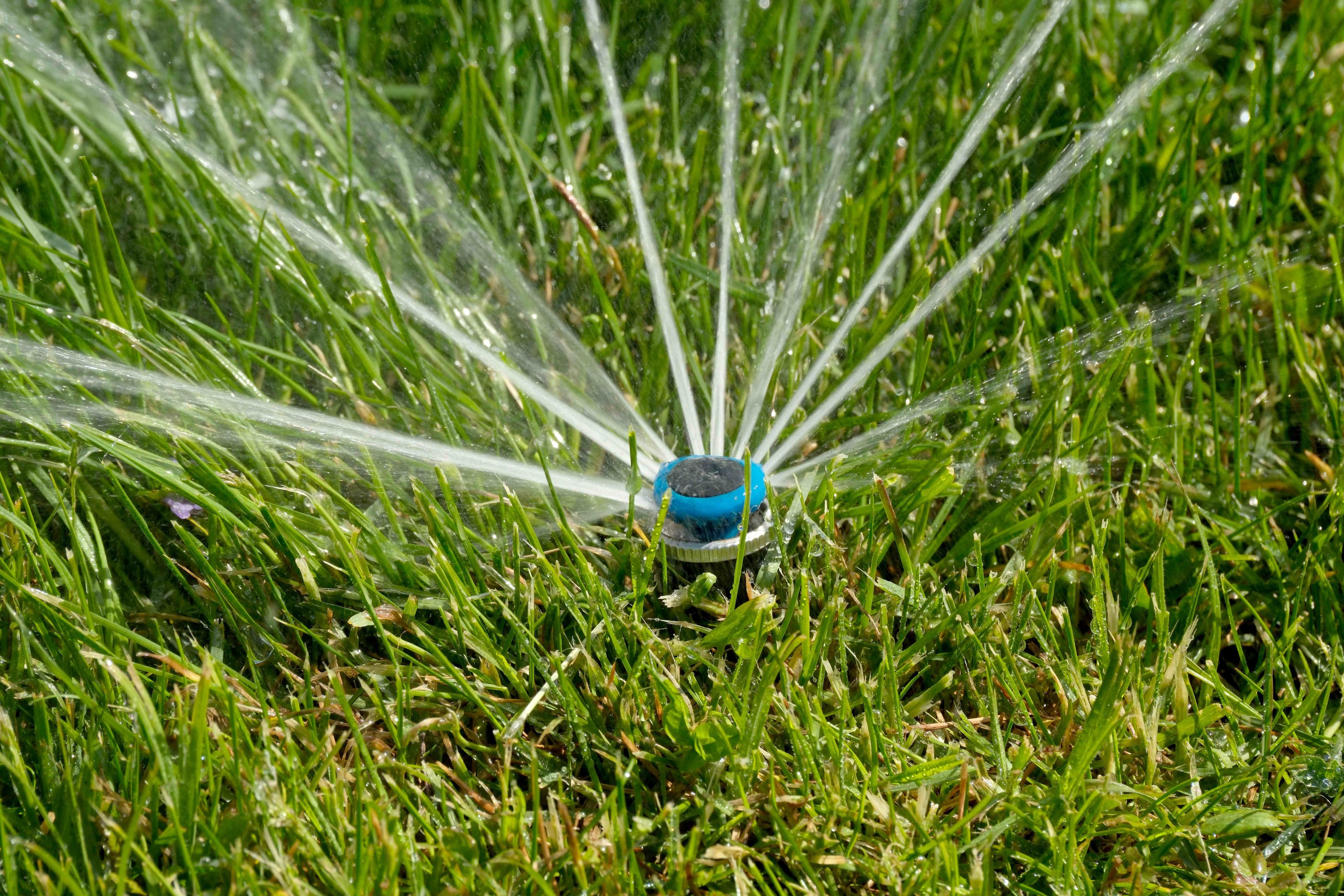
- Sprinkler heads that repeatedly spray the same spot near the foundation instead of the lawn.
- Standing water that collects near the slab after rain or irrigation.
- Air-conditioner condensate lines or drainage that discharge in one concentrated area.
Fixing the source of a leak or a drainage issue may require the appropriate specialist, such as a plumber, irrigation technician, or drainage contractor, depending on what is found.
When a Professional Review Makes Sense
Watering more consistently is a reasonable, general home-care practice, but it is not a fix for every situation, and it will not repair cracks, level a home, or resolve a structural issue on its own.
A qualified foundation or structural professional should review the property before a homeowner assumes that watering alone is the answer, particularly when movement signs are significant, recurring, or getting worse over time. That kind of evaluation can help identify the actual cause and the appropriate next steps.
What Premier Handyman Group Can Help With
After the underlying cause has been evaluated and addressed by the appropriate professional, Premier Handyman Group can help review compatible repair and maintenance work, such as accessible caulking, trim repair, drywall finish repair, door adjustments, gutters, and other practical property-maintenance items.
This type of work does not correct structural movement and is not a substitute for a foundation evaluation. Premier Handyman Group does not perform foundation repair, engineering inspections, plumbing repair, drainage engineering, or structural repair. When a situation calls for one of those specialists, we will say so rather than take on work outside our scope.
If you would like an initial review of the finish and maintenance items after the cause has been addressed, you can send photos and a short description through our contact page.
Quick Summer Exterior Checklist
A fast, mobile-friendly way to review the basics during a dry stretch.
- Check for soil gaps and dry cracking.
- Look for standing water near the home.
- Check gutters and downspouts.
- Look for sprinkler or plumbing leaks.
- Watch for changing cracks, doors, or windows.
- Get qualified guidance for significant or worsening movement.
Resource
For a more technical look at soil moisture and foundations from a Texas agricultural extension source:
Texas A&M AgriLife: Protecting Foundations Under Dry ConditionsRelated Reading