
Free Estimates
Same-Day Service — Subject to Availability
Emergency Service — Subject to Availability
Financing Available
Cash & Credit Cards Accepted
Tile & grout repair in DFW
Localized Fixes for Tile, Grout, and Caulk
Most tile problems are limited to a section of a room, not the whole surface, and can often be repaired without a full retile.
A single cracked tile near an entry, a shower with crumbling grout, or a backsplash tile that popped loose usually does not require redoing the entire surface. We look at the extent of the damage, the condition of the surrounding tile, and whether matching material is available before recommending a scope that fits the actual problem.
We are upfront that cosmetic tile and grout repair is not a substitute for diagnosing a hidden leak or a failed waterproofing membrane. If the surrounding area shows signs of an ongoing moisture problem, that source needs to be addressed first, since a cosmetic repair over an active leak will not hold up.
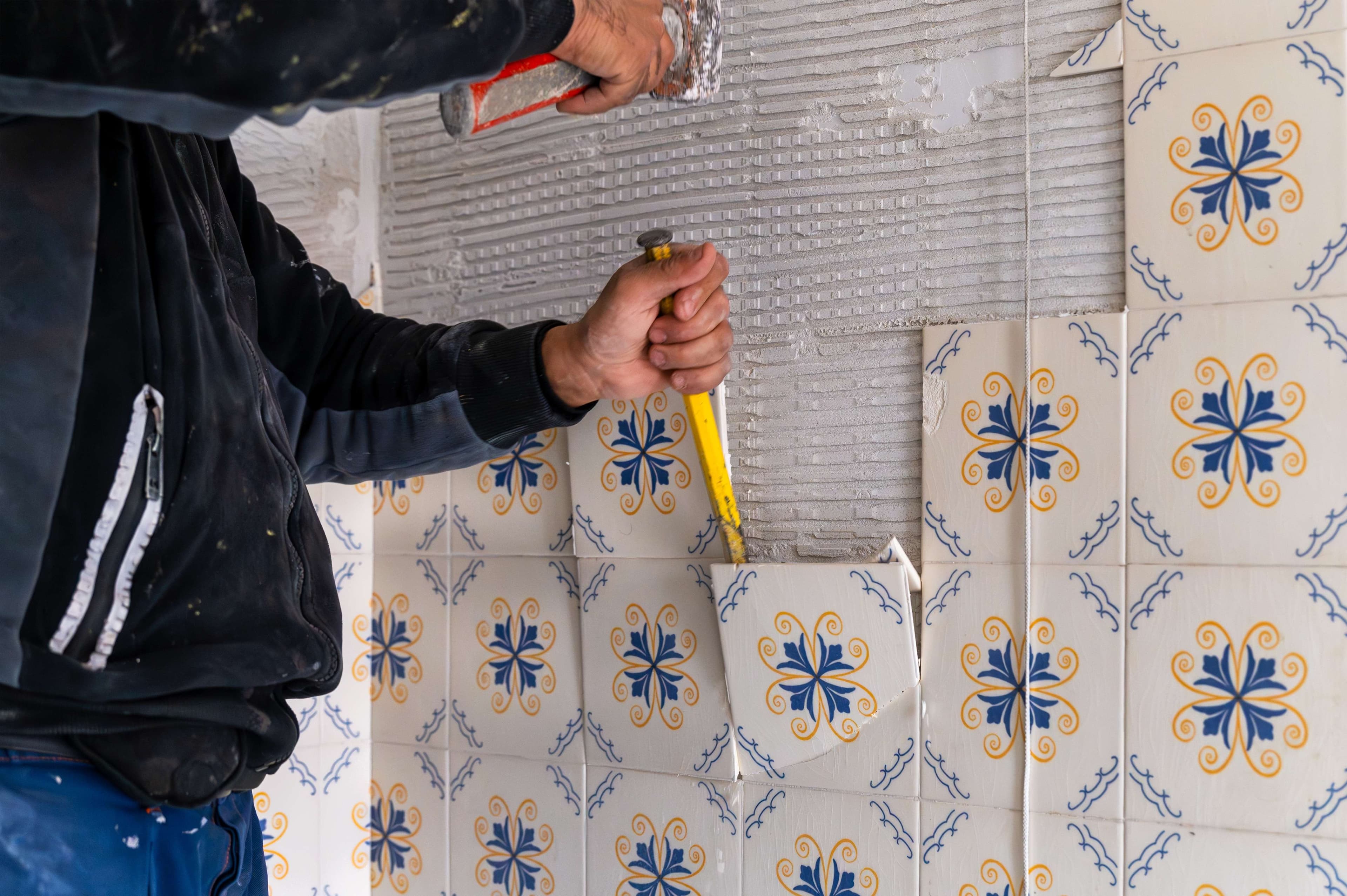
✓Localized cracked or chipped tile replacement
✓Grout repair and re-grouting of damaged joints
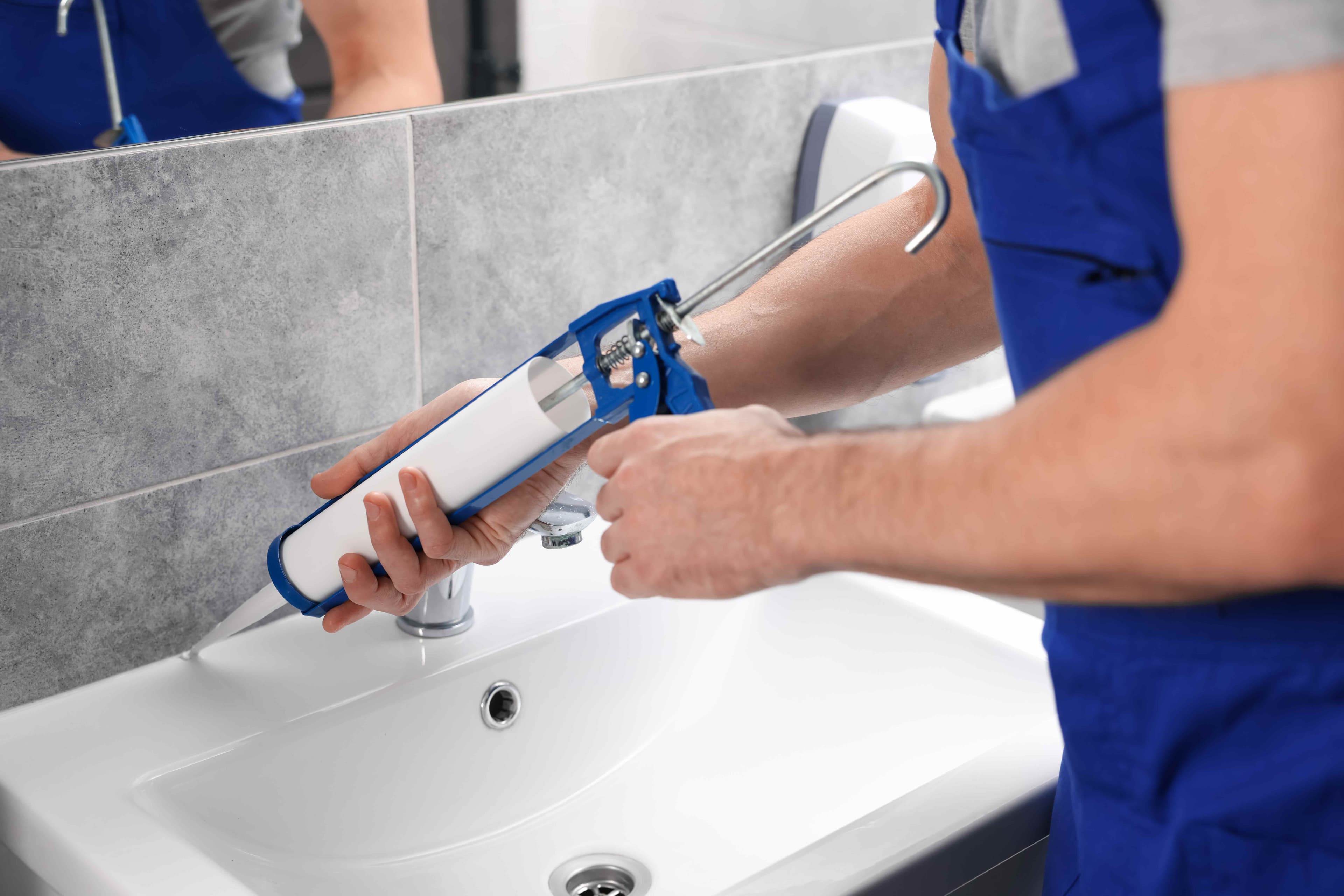
✓Caulk removal and replacement at wet areas
✓Backsplash tile repair
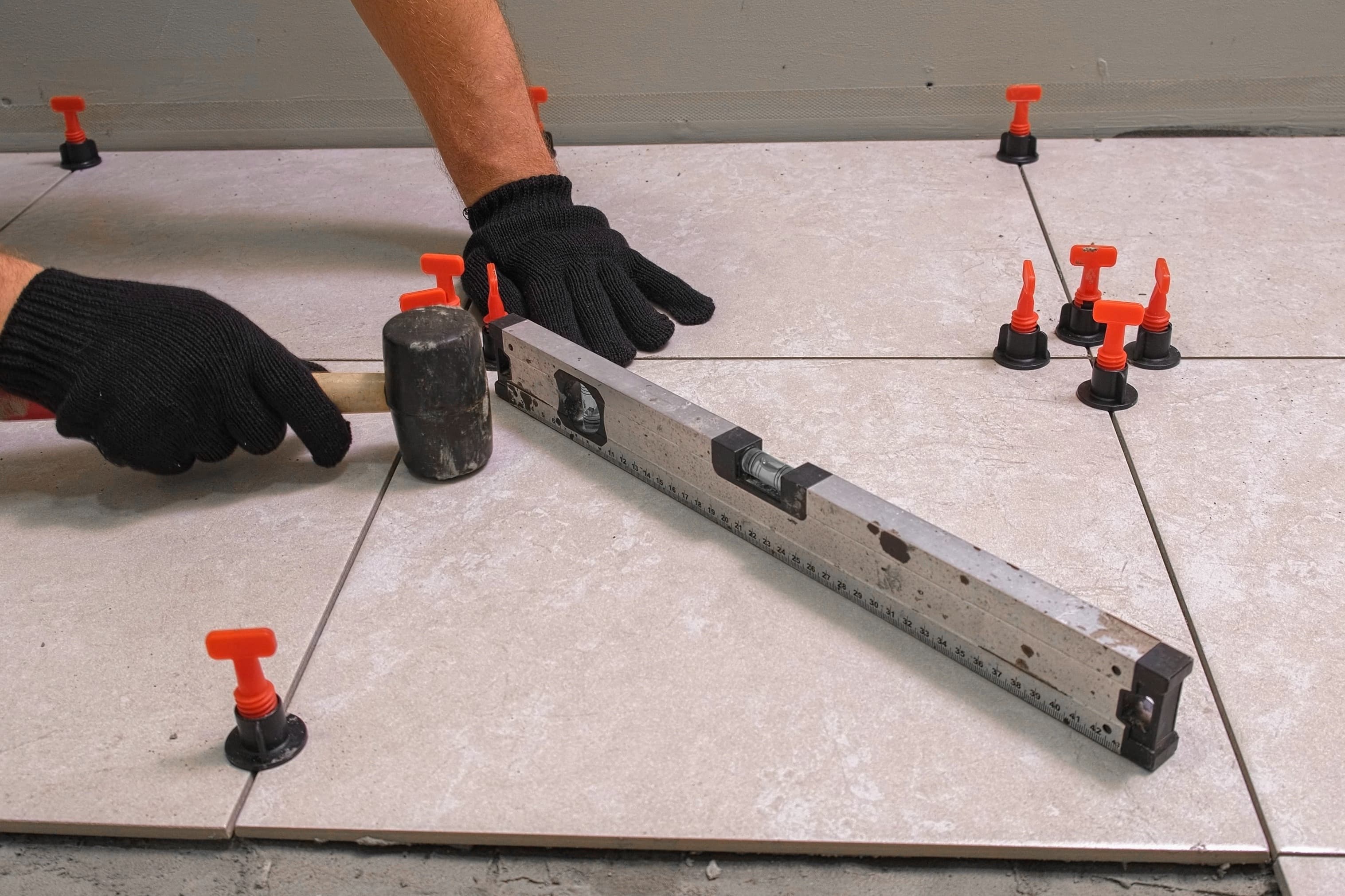
✓Floor and wall tile leveling touch-ups
✓Minor bathroom, kitchen, and entry tile repairs
Why homeowners call
Common Tile & Grout Requests
These situations make up most of the tile and grout repair calls we get.
✓A cracked or loose floor tile near an entryway or kitchen
✓Grout that has stained, crumbled, or gone missing in a shower
✓Peeling or moldy caulk around a tub or sink
✓A backsplash tile that popped off the wall
✓Uneven or lippy tile edges near a transition
✓General tile touch-ups before selling or renting a home
Tile system basics
The Parts That Make Up a Tile Surface
Understanding the layers involved helps explain what a cosmetic repair can and cannot fix.
Tile
The visible surface material. Matching an exact color, pattern, or batch can be difficult once a tile line is discontinued or has faded with age.
Grout
Grout fills and finishes the joints between tiles. It is not a waterproofing system; wet-area moisture protection depends on the underlying tile assembly and waterproofing system where required.
Caulk
Caulk is used at flexible joints, such as where tile meets a tub, sink, or another material, since rigid grout would crack in those spots.
Substrate
The surface underneath the tile, such as backer board or a concrete slab, needs to be sound for a cosmetic repair to hold up over time.
Making the right call
Cosmetic Repair or a Bigger Scope
The right approach depends on what is happening underneath the visible tile.
A localized repair may make sense when:
✓The surrounding tile field is otherwise sound and well-adhered
✓Damage is limited to a few tiles or a section of grout
✓Matching or close-enough replacement tile is available
✓There is no visible sign of ongoing water intrusion
✓The goal is a cosmetic refresh rather than a full remodel
A bigger scope may be needed when:
✓Tile is loose or hollow-sounding across a wide area
✓There are signs of a hidden leak or long-term moisture damage
✓The substrate underneath has failed or is soft
✓You want a different tile style rather than matching the old one
✓Waterproofing at a shower or wet area needs to be redone
Before you commit
What We Check First
A short review helps set realistic expectations before repair work begins.
✓We review the visible tile, grout, and surrounding finish before starting.
✓We do not diagnose hidden structural or waterproofing failures without an inspection.
✓If moisture damage or an active leak is present, that underlying source should be addressed first where applicable.
✓Replacement tile and grout color may not exactly match older or discontinued finishes.
Our approach
How a Repair Visit Usually Goes
A focused process for localized tile, grout, and caulk repair.
Step 1
Review the damaged tile, grout, or caulk and the surrounding surface
Step 2
Remove damaged material without disturbing sound surrounding tile
Step 3
Set replacement tile or apply new grout and let it cure as needed
Step 4
Apply new caulk at flexible joints where appropriate
Step 5
Clean the finished area and point out anything that may need further evaluation
Local conditions
North Texas and Tile
A few regional factors that can affect tile and grout over time.
✓Homes on shifting clay soils common in North Texas can develop hairline cracks in tile floors over time
✓Hard water in some DFW-area supplies can accelerate grout staining in showers
✓Humidity swings between seasons can stress caulk joints around tubs and showers
Planning ahead
What Affects Cost
Tile and grout repair pricing depends on scope, materials, and location in the home.
✓Number of tiles or length of grout line being repaired
✓Whether matching replacement tile is available
✓Location: floor, wall, shower, or backsplash
✓Condition of the substrate underneath
✓Caulk removal and reapplication needs
Ongoing care
Keeping Tile and Grout in Good Shape
Routine care can slow how quickly grout and caulk wear down.
✓Reseal grout periodically in wet areas to help resist staining
✓Clean caulk lines regularly rather than letting mildew set in
✓Address a cracked tile before foot traffic widens the damage
✓Keep an eye on grout lines near tubs and showers for early separation
Related services
Projects That Often Go Together
Questions
Tile & Grout Repair FAQs
Can you repair a few damaged tiles instead of replacing the whole surface?
Yes. Localized tile replacement and grout repair can be practical when matching materials are available and the surrounding surface is sound.
Can tile repair fix an underlying waterproofing problem?
No. Hidden structural or waterproofing failures require inspection and may need a specialized contractor before cosmetic repair.
Will the new tile and grout match perfectly?
We aim for the closest reasonable match, but exact matches are not guaranteed, especially with older, discontinued, or sun-faded tile.
How do I know if my tile problem is cosmetic or structural?
Cracked grout or a single loose tile is often cosmetic. Widespread hollow-sounding tile, soft flooring, or signs of an active leak point toward a bigger underlying issue that needs inspection.
Do you regrout entire rooms or just repair sections?
Both localized repairs and larger re-grouting jobs are options depending on the condition of the existing grout and your goals.
Can you replace caulk without redoing the tile?
Yes. Caulk replacement around tubs, showers, and sinks is a common standalone repair.
What causes grout to crack or crumble?
Common causes include normal aging, moisture exposure, movement in the substrate, or grout that was mixed or applied too thin originally.