
Free Estimates
Same-Day Service — Subject to Availability
Emergency Service — Subject to Availability
Financing Available
Cash & Credit Cards Accepted
Service overview
A practical approach to demolition & removal
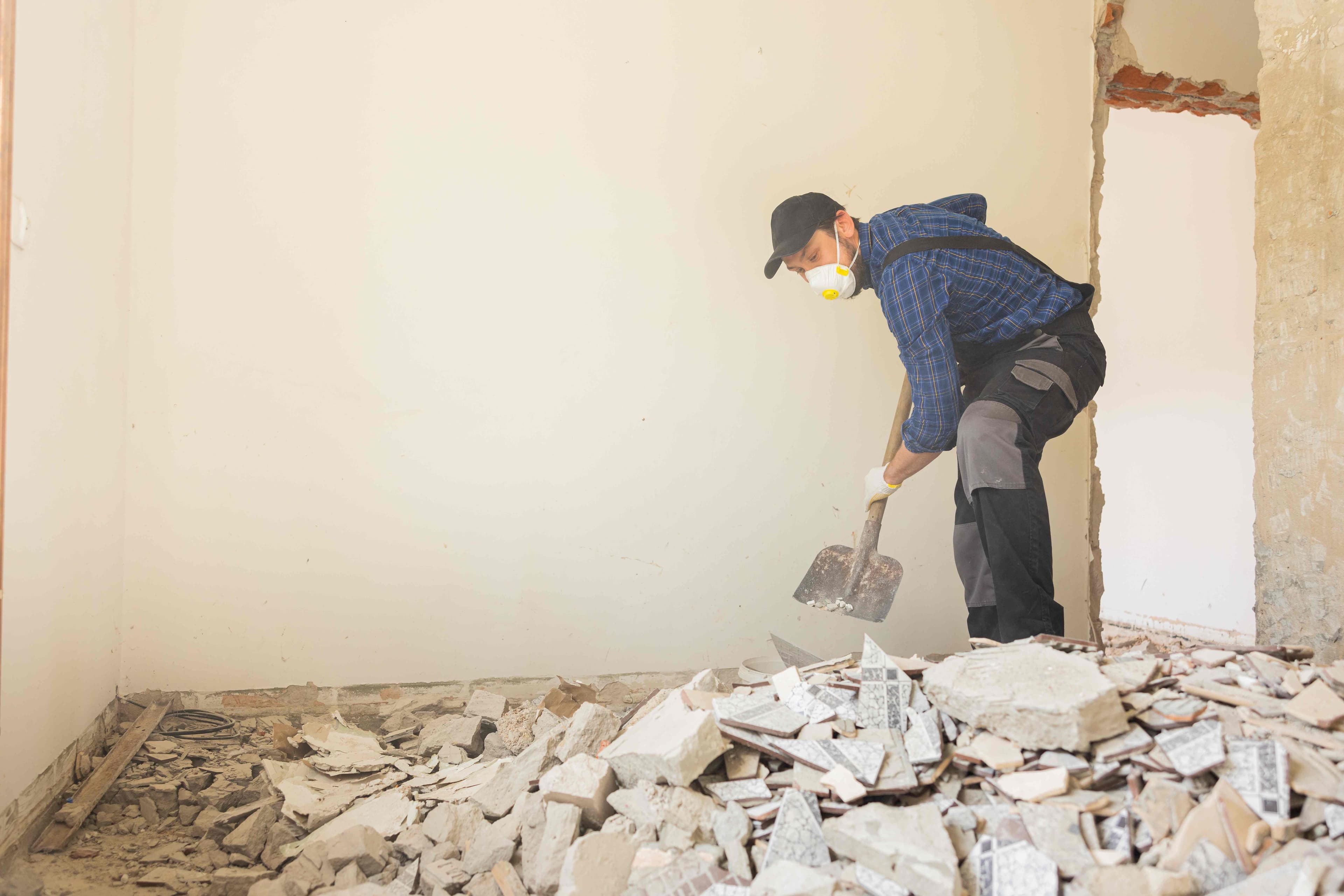
Non-structural tear-out helps prepare a room or exterior area for a planned improvement across Dallas–Fort Worth homes and rental properties. We focus on accessible finish removal, careful protection of the surrounding space, and organized project-related cleanup, rather than structural demolition, load-bearing changes, or licensed-trade disconnection. Understanding what can be removed cleanly, and what needs a specialty provider first, is part of planning the work before anyone starts pulling material out. A typical project might involve pulling out old cabinets and countertops before a kitchen refresh, removing worn flooring and tile down to a workable surface, or clearing out dated built-ins and shelving so a space is ready for its next phase. Throughout the work we protect adjacent finishes, keep pathways clear, and stage debris for organized disposal so the property stays usable around the removal.
Look for these signs
Planning considerations
What Affects Demolition & Removal Scope
The existing condition, access, materials, and desired result all help determine the right approach.
Common requests
Common Demolition & Removal Needs
We start with the condition of the property and the result you want, then help define a sensible scope.
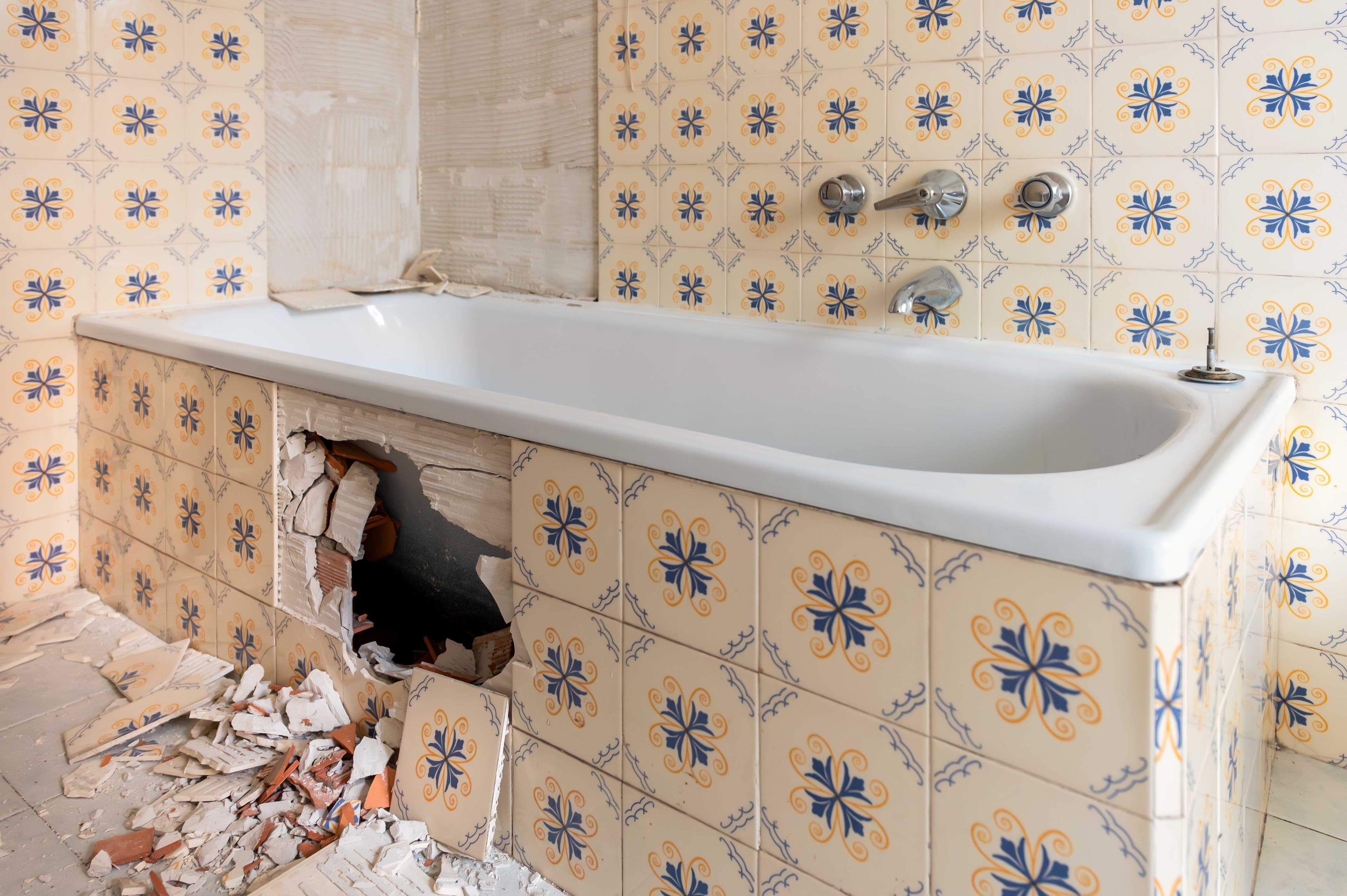
Non-structural drywall, cabinet, flooring, or tile removal
Trim, shelving, backsplash, and other interior finish tear-out
Countertop and fixture-area finish removal ahead of a planned remodel
Old built-ins, closet systems, and shelving that need careful takedown
Small exterior finish removal and project-related debris cleanup
Post-project staging, sorting, and haul-out coordination
Scope of work
Ways We Can Help With Demolition & Removal
Step 1
Review the requested removal area and identify visible limitations and anything that may need a specialty provider first
Step 2
Protect surrounding finishes, floors, doorways, and pathways before removal begins
Step 3
Remove agreed non-structural finishes carefully without advertising licensed-trade disconnection
Step 4
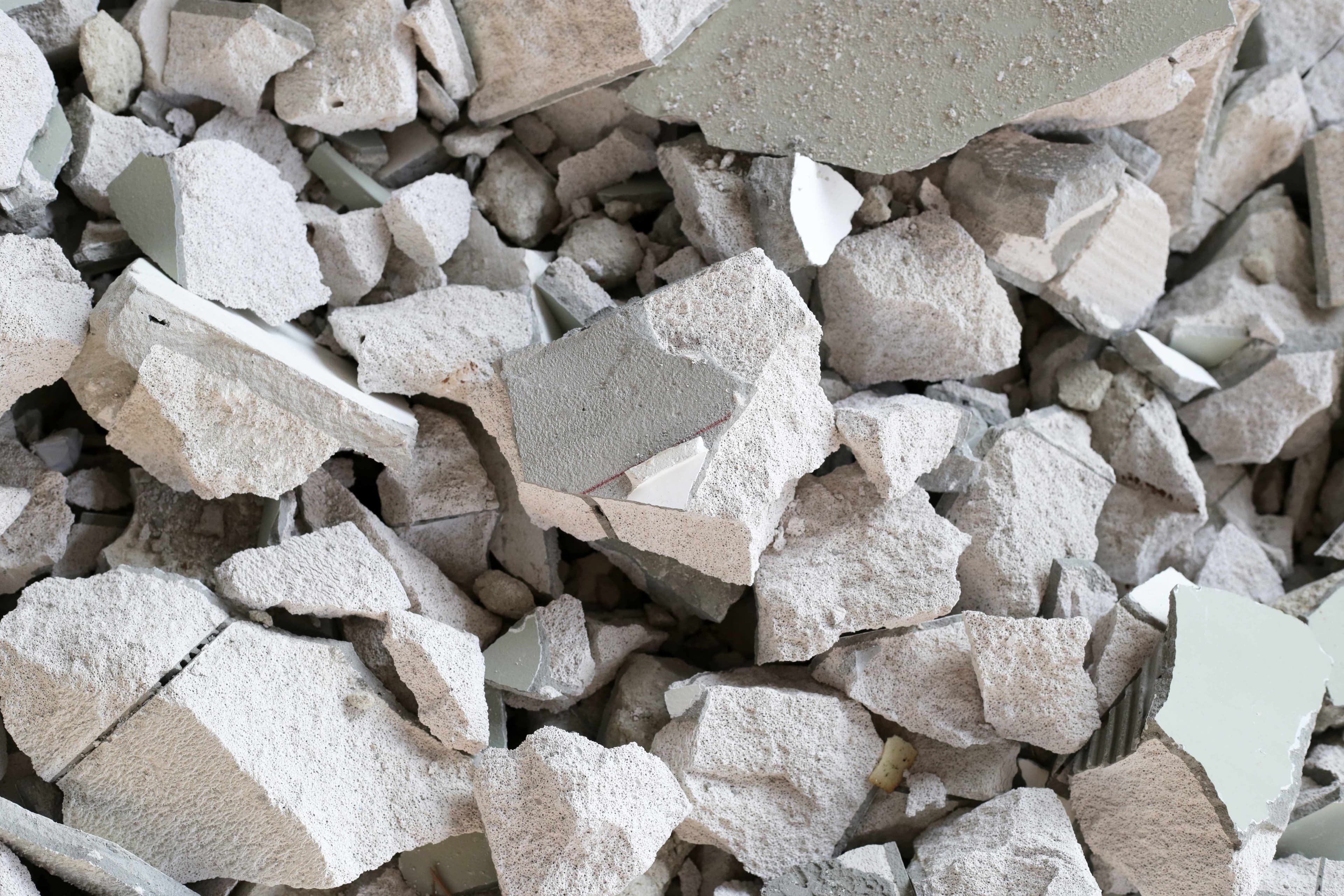
Stage and sort debris safely and coordinate disposal or container placement within the agreed scope
Step 5
Clean up the work area and confirm the space is ready for the next phase of the project
Related services
Services that often go together
Interior
Drywall
Drywall patching, localized replacement, texture matching, and finishing, including repairs after the source of moisture or damage has been addressed when applicable.
Learn moreInterior
Flooring
Flooring repair and installation for common residential surfaces and transitions.
Learn moreInterior
Kitchen
Kitchen repairs and improvements including cabinet hardware, backsplash work, shelving, trim, drywall, paint, and finish updates.
Learn moreQuestions
Demolition & Removal FAQs
Do you remove load-bearing walls?
No. We do not advertise structural demolition, load-bearing wall removal, foundation demolition, or structural modification. If a wall may be structural, we recommend confirming with a structural professional first.
Do you remove asbestos, lead, or hazardous materials?
No. Hazardous-material removal and abatement require appropriately qualified specialty providers, and older homes may warrant testing before any removal.
Do you haul away the debris?
Debris removal and disposal can be included in the project scope; we discuss hauling, container needs, and any disposal fees as part of the estimate.
Do you protect the rest of the room during demolition?
Yes. Containing dust, protecting adjacent finishes and floors, and keeping pathways clear is part of a planned non-structural tear-out.
Can you work in an occupied home or rental?
Often, yes. We plan access, staging, and cleanup around the property so the removal stays contained to the agreed work area.
Can I send photos for a free estimate?
Yes. Photos and a clear description help us understand the demolition & removal project before we follow up.