
Free Estimates
Same-Day Service — Subject to Availability
Emergency Service — Subject to Availability
Financing Available
Cash & Credit Cards Accepted
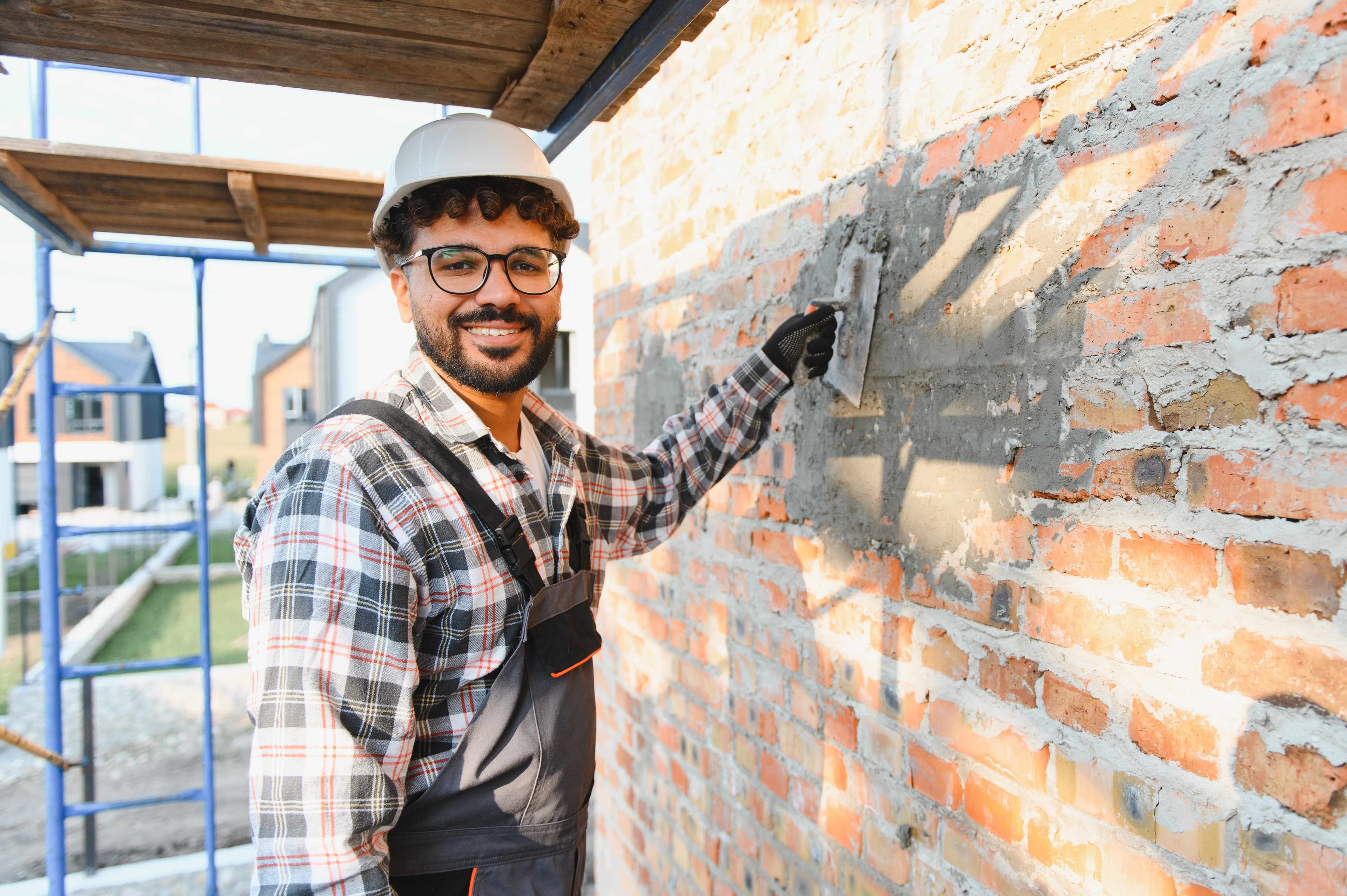
Masonry Repair in DFW
The Mortar Usually Fails First
Brick is durable, but the mortar joints between the bricks take on wear and movement, and that is where most repairs begin.
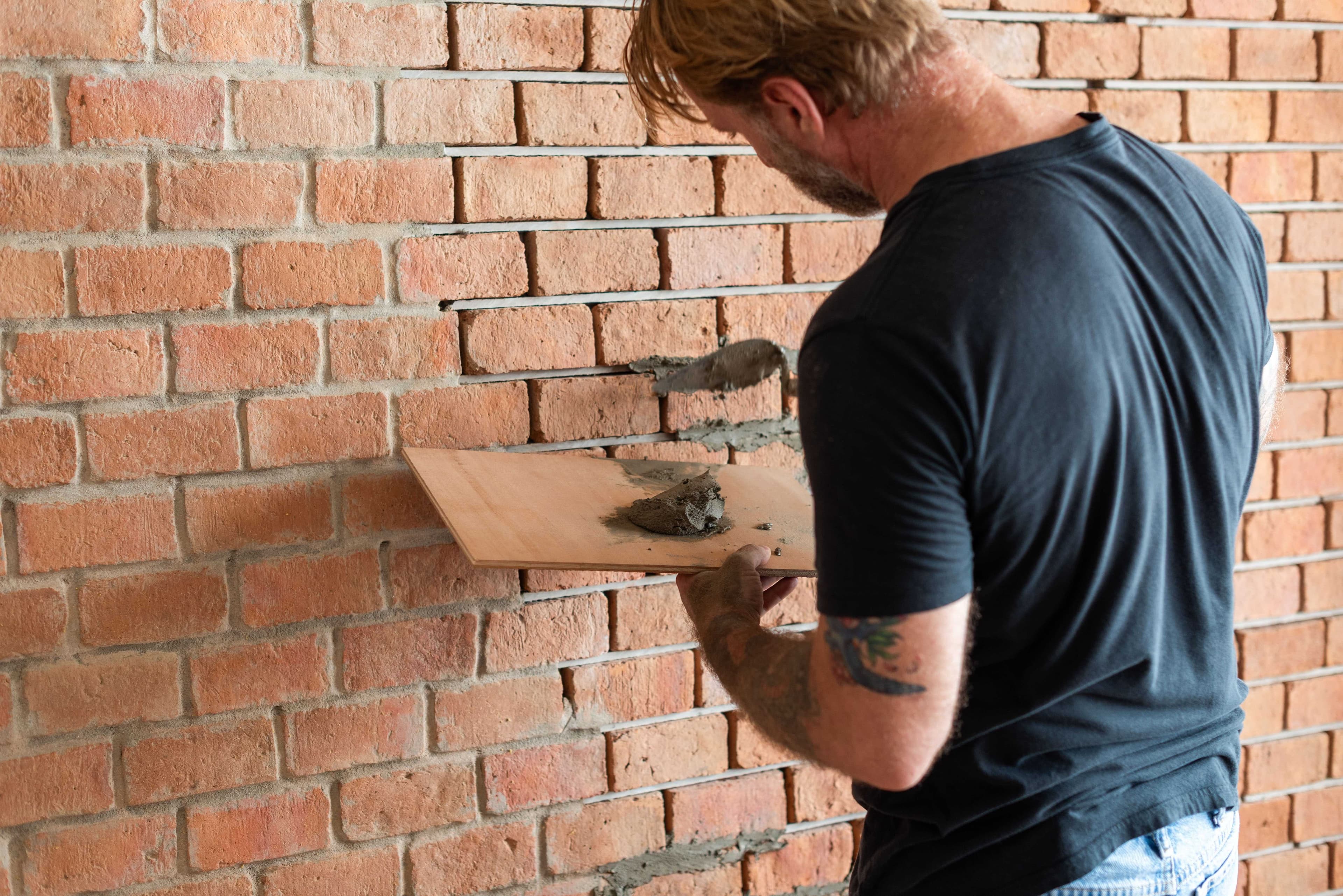
Brick and masonry repair is mostly about the joints. Mortar is designed to be softer than the brick around it, so it absorbs movement and weather and wears down first. Over the years, joints can crumble, recess, or open up, and once water finds those gaps it works its way deeper into the wall. Repointing, sometimes called tuckpointing, refills those joints so the wall sheds water again.
Our scope covers cosmetic and localized masonry repair: deteriorated mortar, spalled or loose brick, and small damaged sections of exterior masonry. We do not diagnose foundation movement or provide structural engineering evaluation. That distinction matters, because a hairline crack in a mortar line is a very different situation from a wide, stair-stepped crack across a wall, and we are clear about which is which before recommending work.
✓Mortar joint repair
✓Repointing and tuckpointing
✓Localized brick replacement
✓Spalled or flaking brick repair
✓Loose brick resetting
✓Small crack repair in mortar
✓Chimney exterior brick repair
✓Planter and low garden wall repair
✓Mailbox and column brick repair
✓Step and porch masonry patching
✓Mortar color matching
✓Sealing and repointing cleanup
What we look for
Common Masonry Problems
Not every issue below is serious, but each is worth looking at before water damage spreads.
✓Crumbling or powdery mortar joints
✓Gaps opening between bricks
✓A single cracked or broken brick
✓Brick faces flaking or spalling
✓Efflorescence, the white powder on brick
✓Loose bricks that move when pressed
✓Stair-step cracks along mortar lines
✓Damaged mortar around a chimney
✓Deteriorated brick on steps or a porch
✓Water staining below a mortar gap
Understanding the damage
Types of Brick and Mortar Damage
Different symptoms point to different causes, which is why a closer look matters.
Mortar deterioration
Mortar is softer than brick by design and wears first. Crumbling or recessed joints let water in and are the most common reason for repointing.
Spalling
When trapped moisture freezes or the brick face fails, thin layers flake off. Spalled brick is often a moisture and exposure issue rather than a load problem.
Efflorescence
The white, chalky residue on brick is mineral salt left behind as water moves through and evaporates. It points to moisture rather than a crack itself.
Hairline mortar cracks
Fine cracks in the mortar line are common with seasonal movement and are often a cosmetic, localized repair.
Stair-step cracking
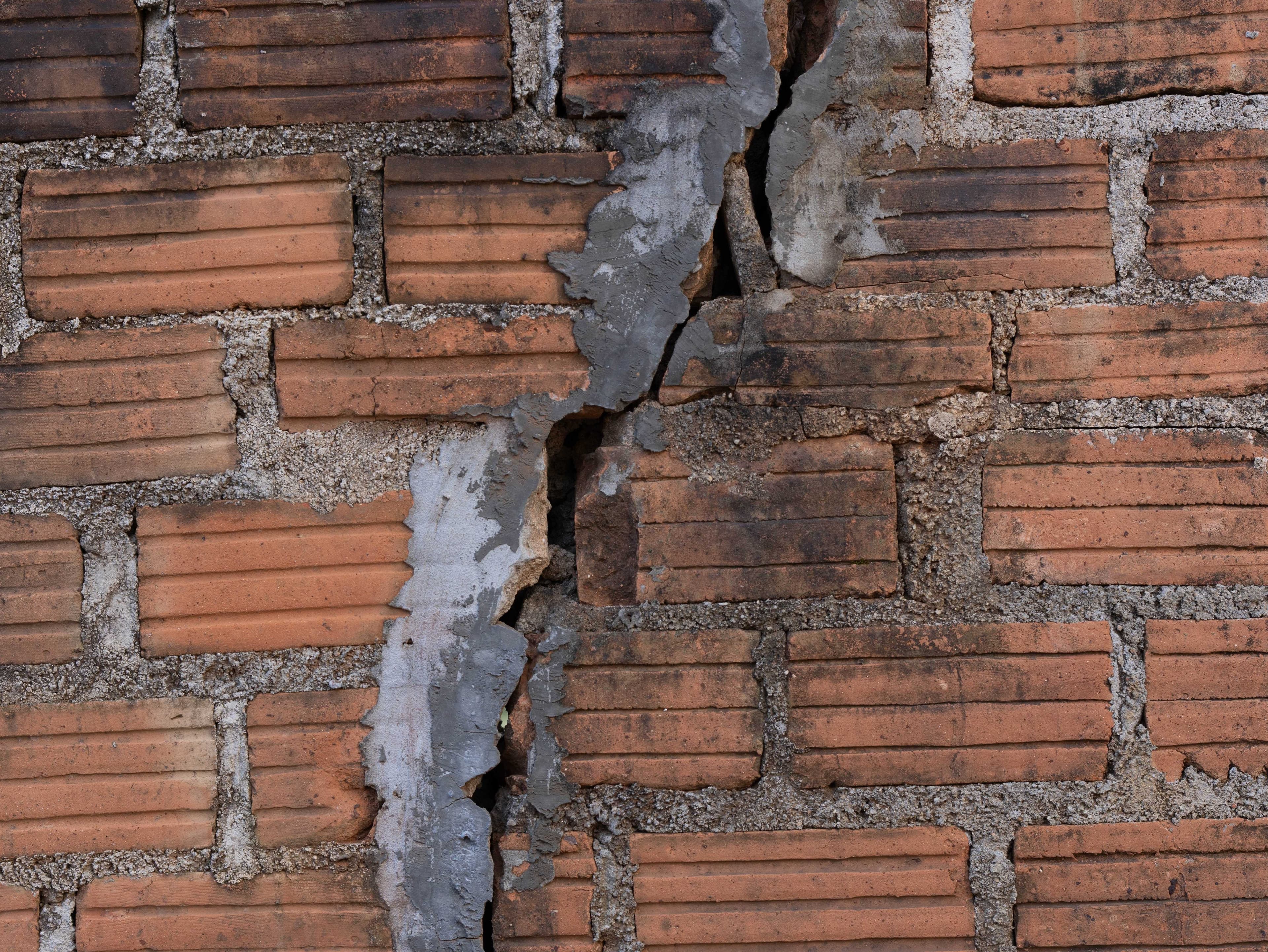
Cracks that climb diagonally along the joints can be minor, but larger or widening ones may signal movement that needs specialized evaluation.
Loose or missing brick
A brick that has worked loose or fallen out can often be reset or replaced when the surrounding masonry is sound.
Making the right call
Cosmetic Repair vs. Further Evaluation
Most masonry repair is localized. The key is telling ordinary wear apart from possible movement.
Localized repair usually fits when:
✓Mortar is deteriorated but the wall is otherwise sound
✓One or a few bricks are cracked, spalled, or loose
✓Cracking is limited to the mortar and is not widening
✓The damage is cosmetic and localized to a small area
✓A chimney, step, or planter has surface masonry damage
Further evaluation may be needed when:
✓Cracks that are wide, long, or clearly still moving
✓Bulging, leaning, or separating sections of wall
✓Doors or windows near the crack that stick or shift
✓Repeated cracking that returns after past repairs
✓Any sign the issue may involve the foundation or structure
Cosmetic masonry repair addresses the appearance and the weather resistance of the wall. It does not correct underlying soil or structural movement, and we say so plainly. If the signs point that way, the right next step is a qualified structural or foundation specialist before any patching.
Planning ahead
What Shapes a Masonry Repair
A few conditions determine how the repair is approached and how well it blends in.
✓The age of the brick and mortar, which affects matching
✓How closely a new mortar color can blend with the old
✓Whether matching brick is still available for replacement
✓The extent of the damage and how far it has spread
✓Access and height, including whether scaffolding is needed
✓Recent weather, since mortar work needs suitable conditions
Our approach
How Masonry Repair Usually Goes
A typical sequence from review through cure.
Step 1
Review the visible masonry condition and confirm the repair is cosmetic and localized
Step 2
Rake out deteriorated mortar and remove damaged or loose brick
Step 3
Mix mortar to blend with the existing color and texture as closely as possible
Step 4
Repoint the joints and reset or replace brick, tooling joints to match
Step 5
Clean the surface of excess mortar and haze
Step 6
Review the finished area and let the mortar cure
Local conditions
North Texas Weather and Brick
DFW conditions put specific stresses on brick and mortar through the year.
✓Freeze-thaw swings in winter can worsen spalling on saturated brick
✓Long, hot summers and UV exposure age older mortar
✓Expansive North Texas clay soil can drive seasonal movement
✓Wind-driven rain finds its way into open or recessed joints
The expansive clay soils common across North Texas move with wet and dry seasons, and that movement can show up in masonry. Ordinary seasonal cracking in a mortar line is often cosmetic, but because soil movement can also be behind more serious cracking, we look at the pattern before deciding whether a repair is appropriate.
Planning ahead
What Affects Repair Cost
Masonry repairs vary a lot, so several factors shape the scope and cost.
✓Size of the repair area
✓Height and access
✓Mortar and brick matching
✓Repointing vs. brick replacement
✓Amount of loose material to remove
✓Chimney or elevated work
✓Cleanup and haze removal
✓Surface condition and prep
Ongoing care
Keeping Brick in Good Shape
Simple habits help mortar and brick last between repairs.
✓Look at mortar joints once a year for gaps or crumbling
✓Keep gutters and downspouts directing water away from brick
✓Address open joints before water works deeper into the wall
✓Watch for new efflorescence, which can flag a moisture path
✓Note whether a crack is widening over time, and by how much
Related services
Services That Often Go Together
Questions
Brick & Masonry FAQs
Can you fix cracked mortar between bricks?
Yes. Mortar joint repair and repointing, sometimes called tuckpointing, are among the most common masonry repairs. We rake out the failed mortar and refill the joints so they shed water again.
Do you evaluate structural or foundation problems?
No. We handle cosmetic and localized masonry repair. We do not diagnose foundation movement or provide structural engineering evaluation, and cracking that appears structural should be reviewed by a qualified specialist.
How do I know if a brick crack is serious?
Fine, stable cracks in the mortar are usually cosmetic. Cracks that are wide, growing, stair-stepped across a large area, or paired with sticking doors and windows may point to movement that needs specialized evaluation before any cosmetic repair.
Will the new mortar match my existing brick?
We work to blend the mortar color and joint tooling with what is already there. An exact match is not guaranteed, because older mortar has weathered and original materials are not always still produced.
Can you replace a single damaged brick?
Often, yes. When the surrounding masonry is sound, an individual cracked, spalled, or loose brick can usually be removed and replaced, availability of a matching brick permitting.
What is the white powder on my brick?
That is efflorescence, mineral salt left behind as water passes through the masonry and evaporates. It is a sign of moisture movement rather than a crack, and it is worth finding where the water is getting in.
Do you repair brick chimneys, steps, and planters?
Yes. Exterior chimney brick, masonry steps, low garden walls, and brick planters are common repair areas, subject to access and the condition of the masonry.
Why does mortar fail before the brick does?
Mortar is intentionally softer than brick so it takes on movement and wear first, protecting the brick. That is why repointing the joints is a normal part of maintaining an older brick wall.
Can I send photos for a free estimate?
Yes. Clear photos of the damaged area, ideally with something for scale, help us understand the masonry repair before we follow up.