
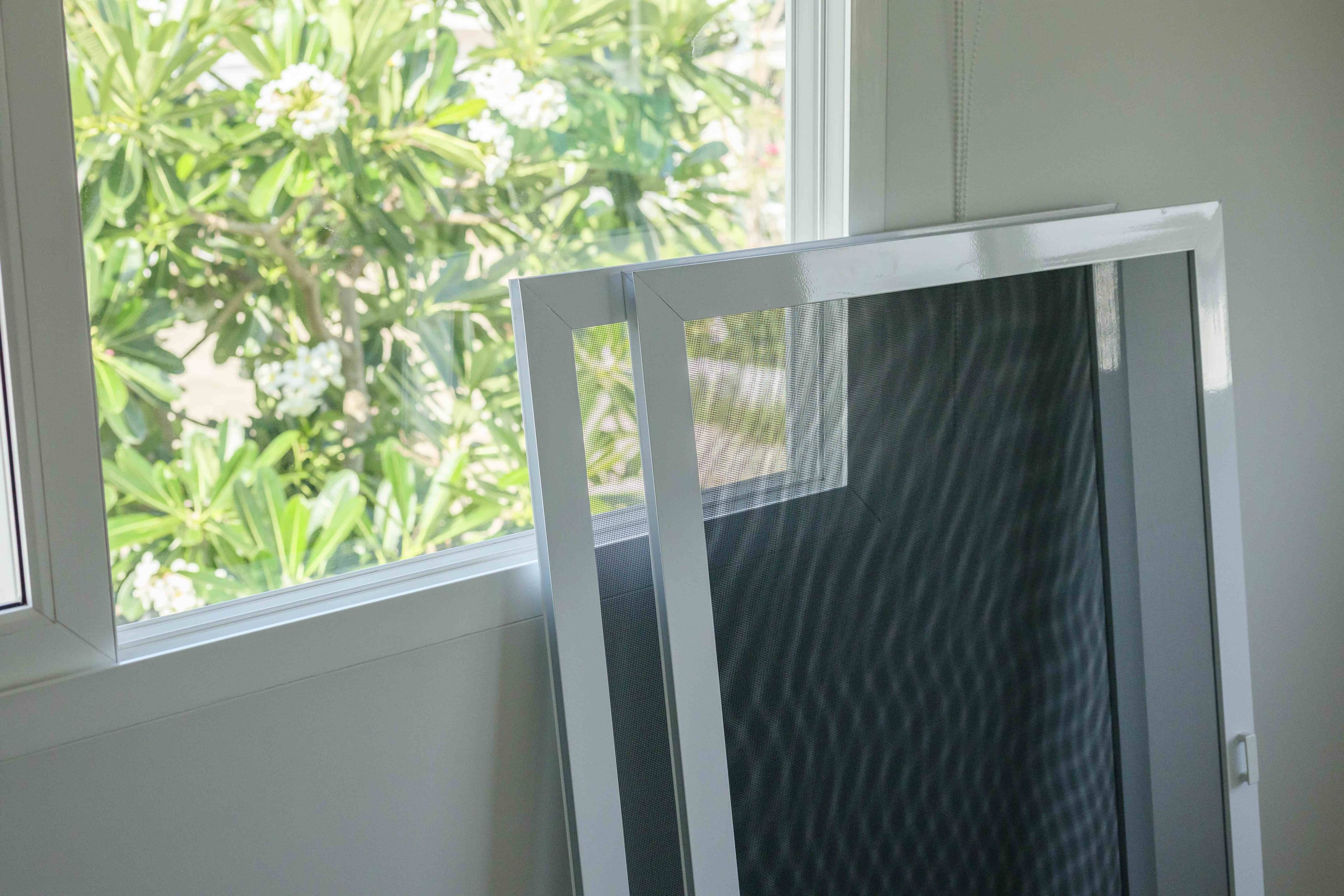
A torn window screen does not automatically mean you need a new window—or even an entirely new screen assembly. The right solution depends on whether the damage affects the mesh, the removable screen frame, or the parts that hold it in place.
For Dallas–Fort Worth homeowners preparing to open windows on comfortable fall days, this is a practical maintenance project to consider. National Weather Service climate normals show October's average daily high at 78.4°F, compared with 88.6°F in September. These are long-term averages, not a forecast, but they explain the seasonal appeal of getting screens ready.
Source: National Weather Service
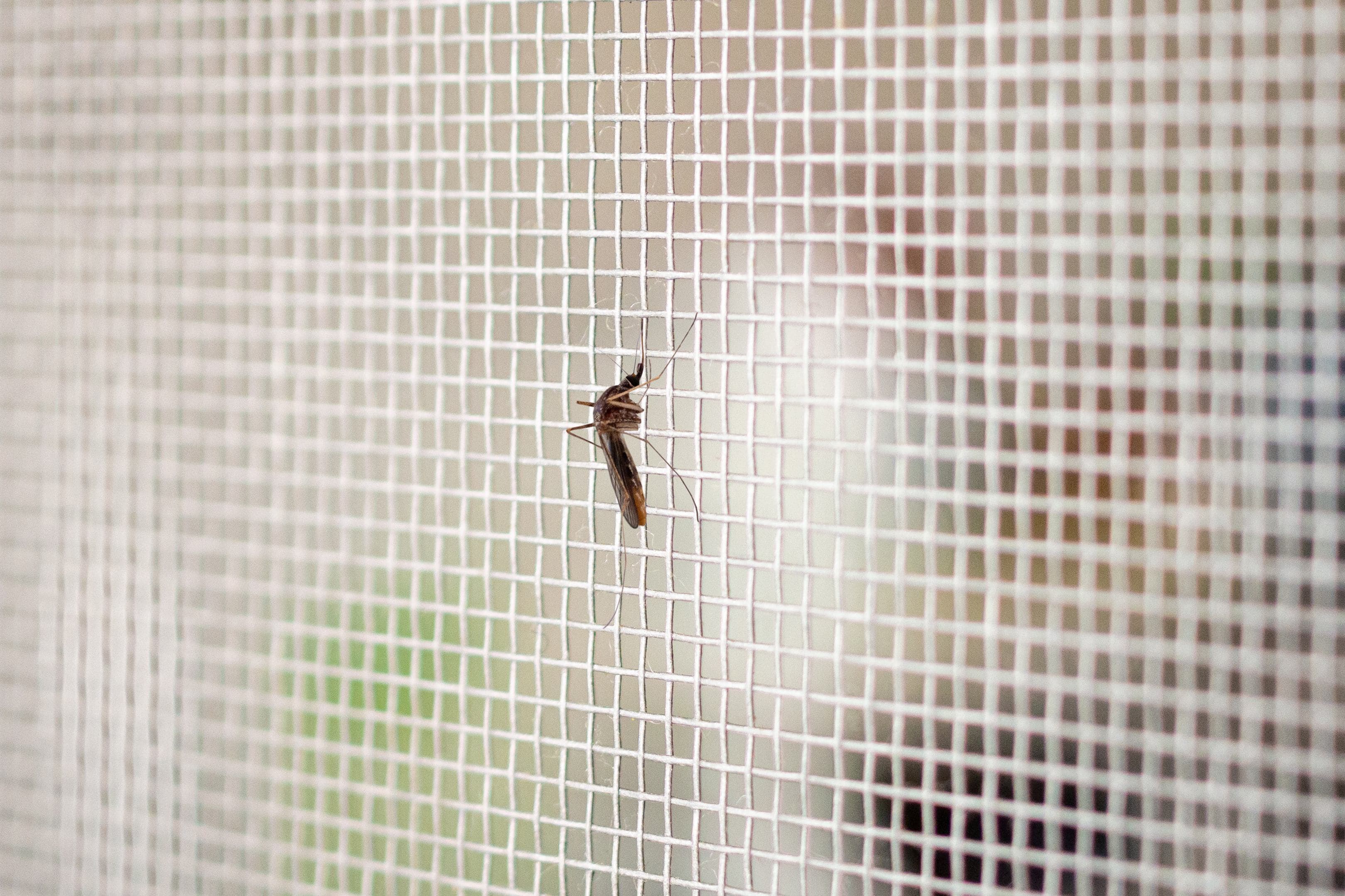
When a Small Patch May Be Enough
An isolated small hole may be a candidate for a compatible screen patch when the surrounding mesh is still in good condition.
A patch is a localized repair, so consider its appearance as well as its function. If several areas are damaged or you want a consistent finish across the panel, replacing the mesh may be a better option. Phifer's repair guidance distinguishes small tears suitable for patching from damage that calls for rescreening.
Source: Phifer's screen repair guide
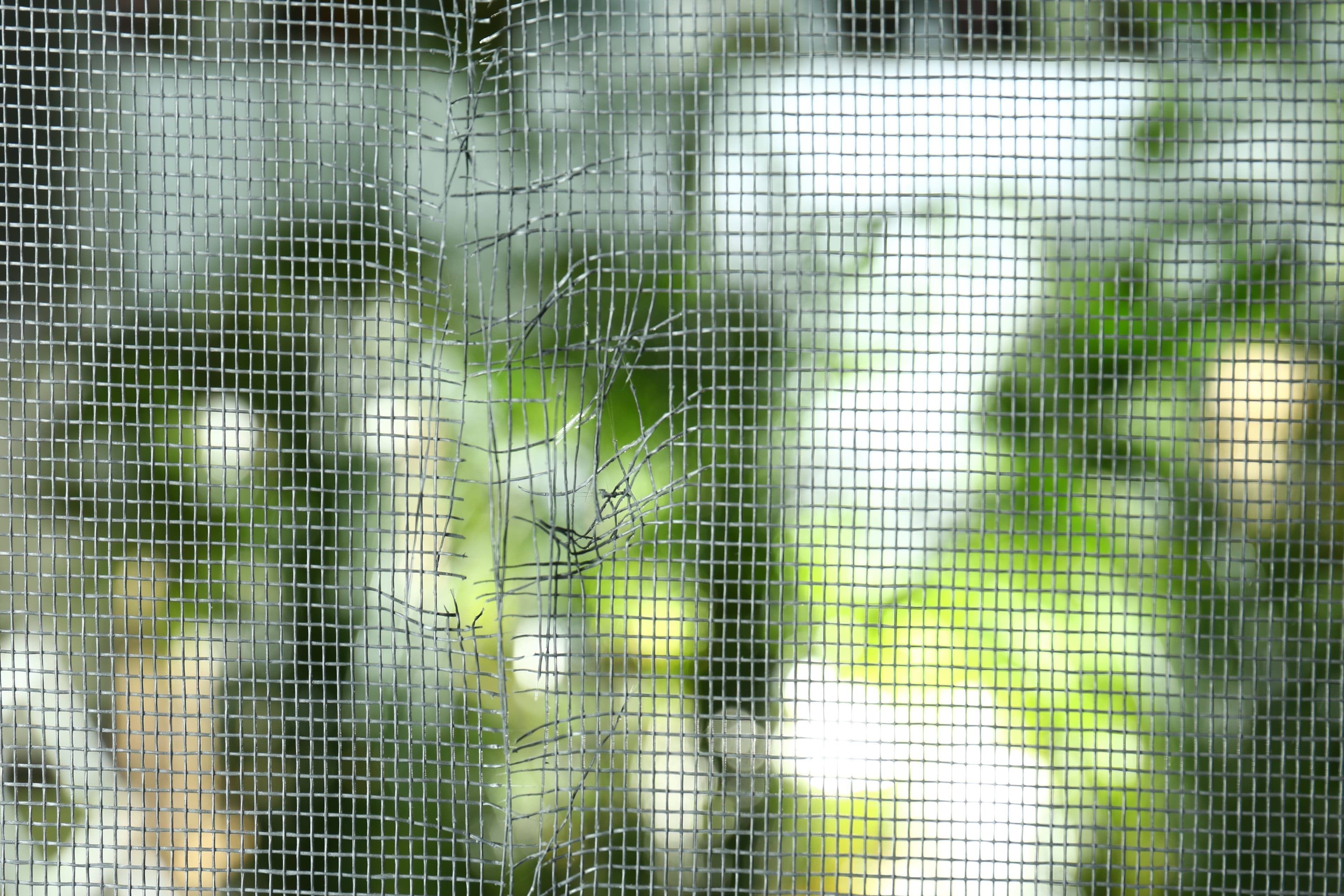
When You Can Replace the Mesh and Keep the Frame
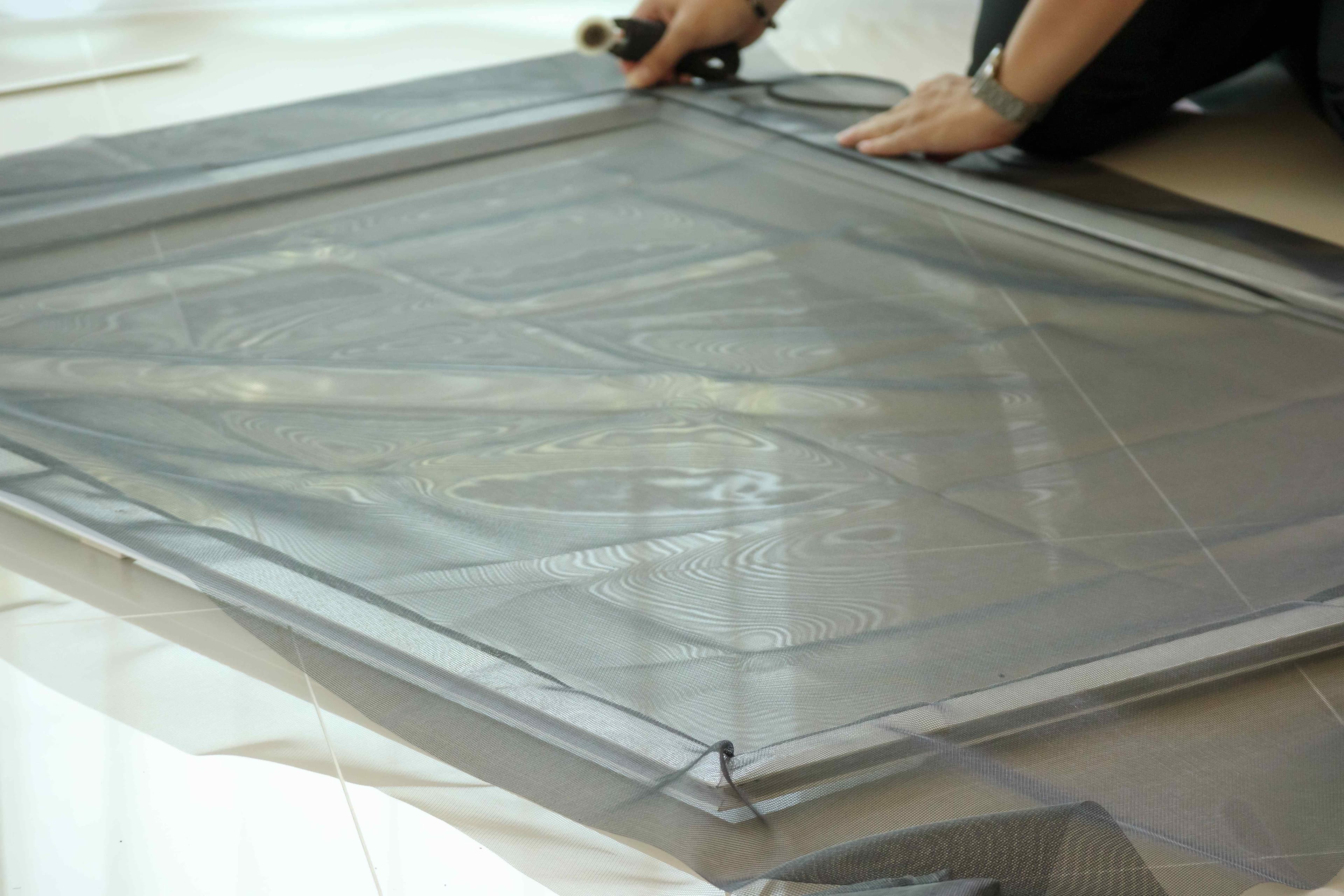
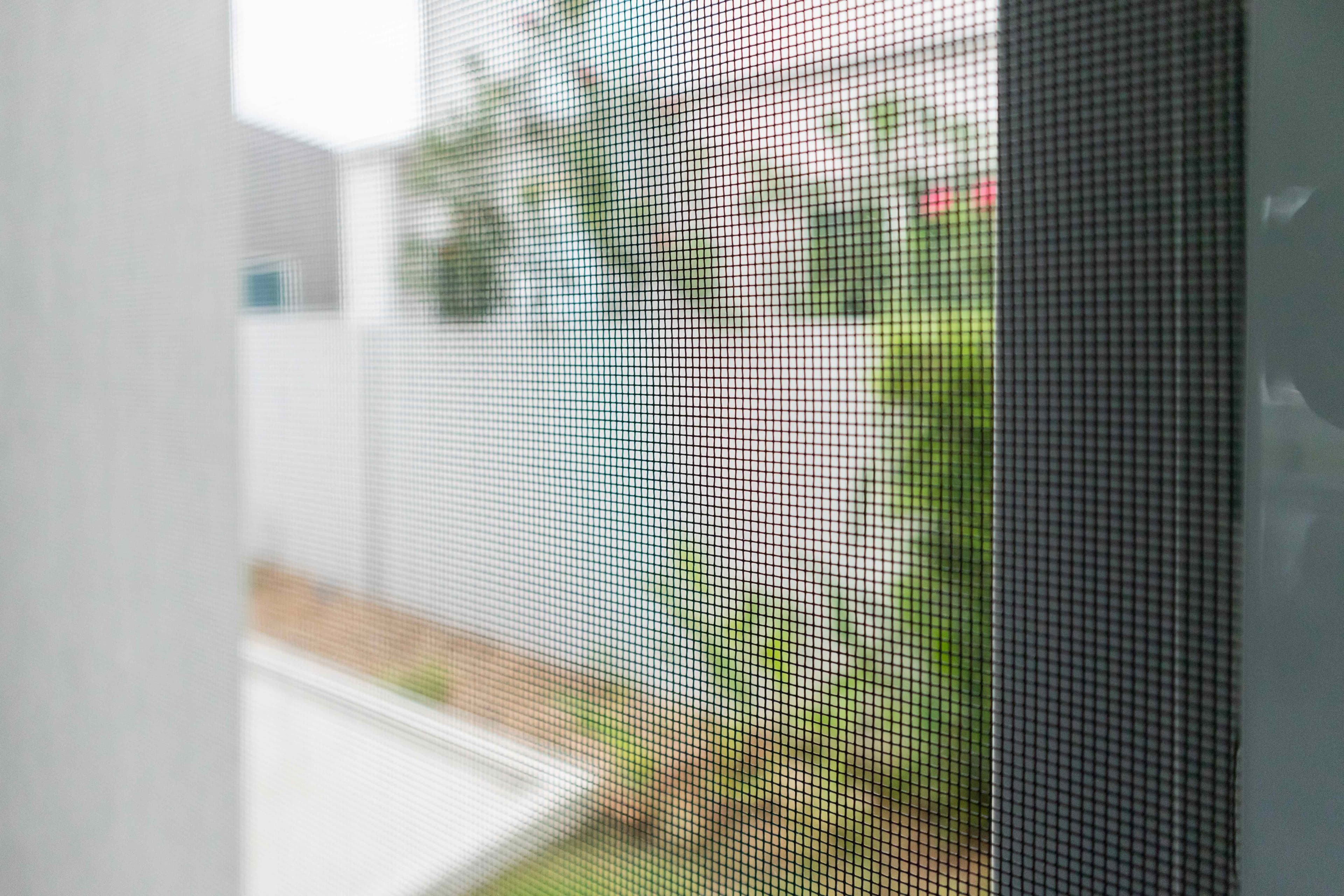
Rescreening means removing the old mesh and installing new screening in the existing frame.
For a compatible screen assembly, this is worth considering when the frame remains usable and the main problem is torn mesh. Many conventional screens use a retaining cord called spline to hold the material in a groove around the frame. Phifer's installation guide describes replacing the mesh using that existing frame-and-spline arrangement.
Source: Phifer's screen installation guide
Before requesting rescreening, ask the provider to check that the frame and its attachment points can be reused. A new piece of mesh should be part of a properly fitting assembly.
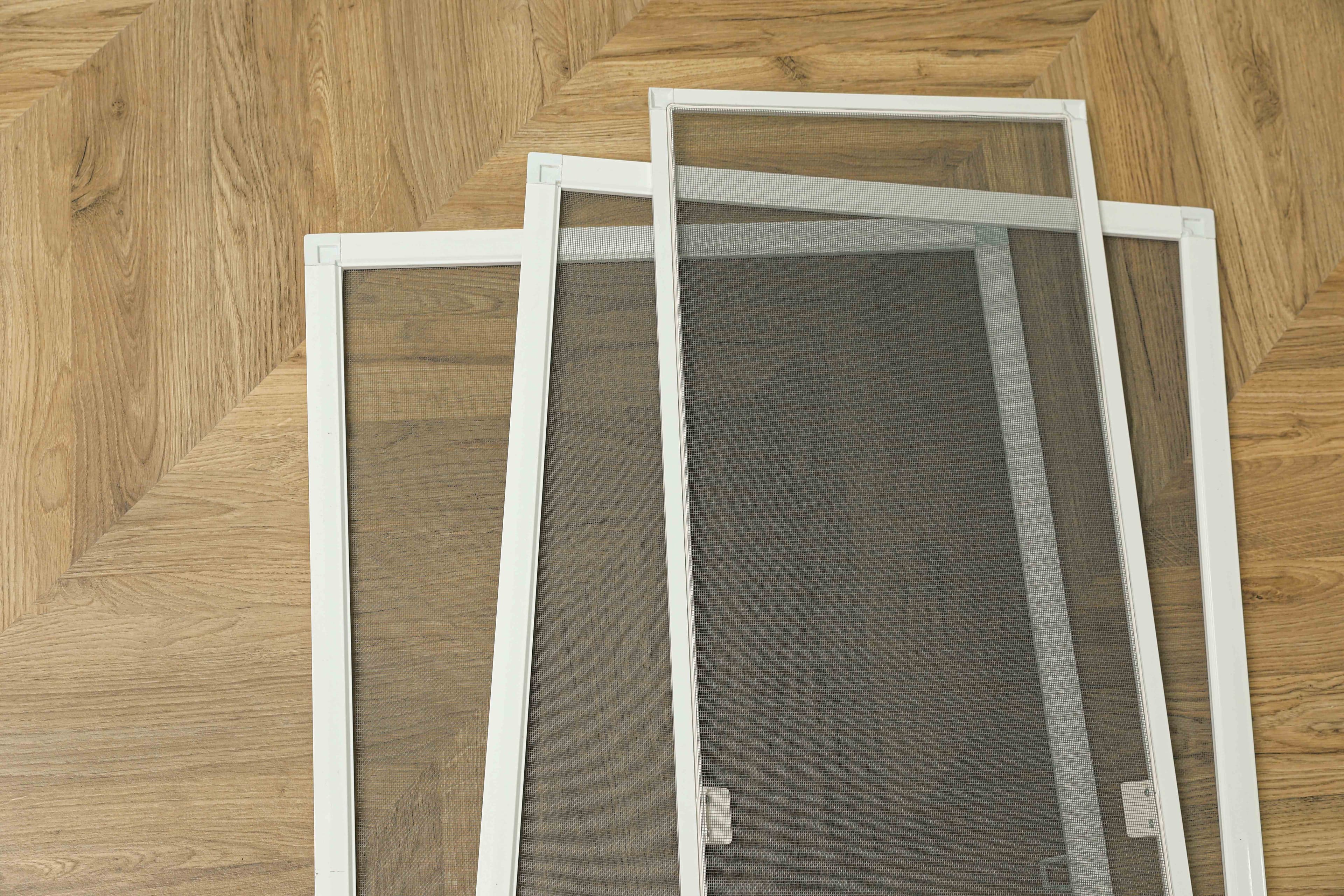
When the Screen Frame Needs Attention
Look beyond the tear before deciding what to replace. Useful things to point out during an assessment include:
- A visibly bent or twisted screen frame.
- A separated or damaged corner.
- Missing or broken clips, tabs, or other retaining hardware.
- A panel that will not seat correctly in its opening.
- Gaps around the edge even though the mesh is intact.
These observations are a starting point for an assessment, not an automatic reason to replace everything. Ask whether compatible hardware or a frame component can be repaired, or whether a complete replacement screen is more practical.
If replacement is needed, identify the window style and manufacturer where possible. Manufacturer-specific screens may depend on the window series and attachment design, not just approximate width and height. Andersen, for example, organizes replacement insect screens by window type and product series.
Source: Andersen's insect screen guide
Why the Right Spline Matters
Replacing mesh involves more than choosing a roll of screening. On spline-mounted screens, the retaining cord must suit the frame groove and the screening material.
Phifer provides different spline recommendations for different screen materials and frame configurations. Avoid assuming that one spline size works with every replacement mesh. If the material is changing, have compatibility checked before installation.
Source: Phifer's spline sizing guide
What to Send When Requesting Window Screen Repair
A few clear details can help a provider understand the project before confirming measurements and scope:
- Your city or ZIP code.
- The number of screens needing attention.
- A photo of each complete screen and a close-up of the damage.
- Photos of corners and retaining hardware, if safely accessible.
- Whether the screen is present, missing, or difficult to remove.
- The window brand or model, if known.
- Whether the affected windows are upstairs.
Label the photos by room or window so similar-looking panels do not get mixed up. Describe any preference for repairing the existing assembly versus replacing it, and ask what can reasonably be reused.
Approximate measurements can help with an initial conversation, but final sizing should follow the requirements of the actual screen system.
Check Fit Before Calling the Job Finished
For the handoff, ask the provider to show you that the screen seats correctly and its retaining hardware engages as intended. Review the edges for visible gaps and ask how the panel should be removed for future cleaning.
Keep one distinction in mind when opening windows: insect screens are not fall-protection devices. Andersen specifically warns against relying on them to prevent children from falling through an open window.
Source: Andersen's window safety guidance
For other seasonal tasks around your home, explore our Dallas–Fort Worth home maintenance checklist.
Window Screen Help Across Dallas–Fort Worth
Premier Handyman Group offers window screen mesh, spline, frame, hardware, fitting, and compatible replacement services across DFW. Explore our window screen repair and replacement services to learn more about the available work.
If you have torn, loose, or missing screens, request a free estimate. Send a few photos and your location so we can review the project, or call (214) 585-5595.
Related Reading