
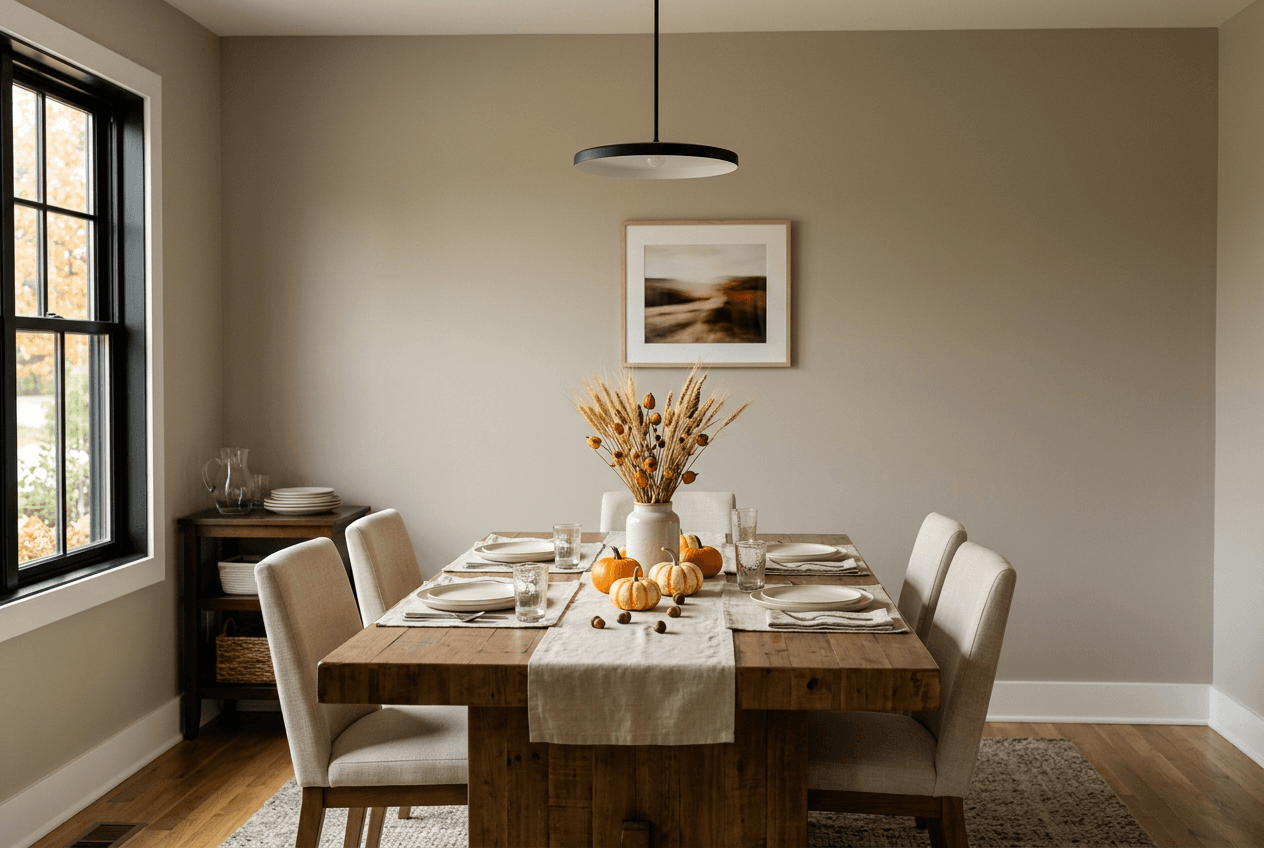
A few scuffs in the hallway or marks behind a dining chair can become more noticeable when you start preparing for guests. The question is whether a small paint touch-up will blend—or leave a patch that draws even more attention.
For Dallas–Fort Worth homeowners planning ahead for Thanksgiving and holiday visitors, the best starting point is a clear scope: which walls need attention, what paint is already there, and how consistent you want the finished surface to look.
You may not need to repaint the entire room. But a small damaged area does not always mean a small painted area will produce the best result.
When a Small Touch-Up Is Worth Trying
An isolated scuff or minor mark can be a reasonable candidate for a touch-up. First, determine whether the mark can be removed with gentle cleaning appropriate for the existing finish.
If painting is needed, having the original paint information makes the decision easier. Before committing to every marked area, ask whether a small test touch-up can be evaluated after drying.
Benjamin Moore recommends considering the color, sheen, and application texture together. It also notes that flatter finishes generally touch up more easily than glossier ones.
Color Is Only Part of the Match
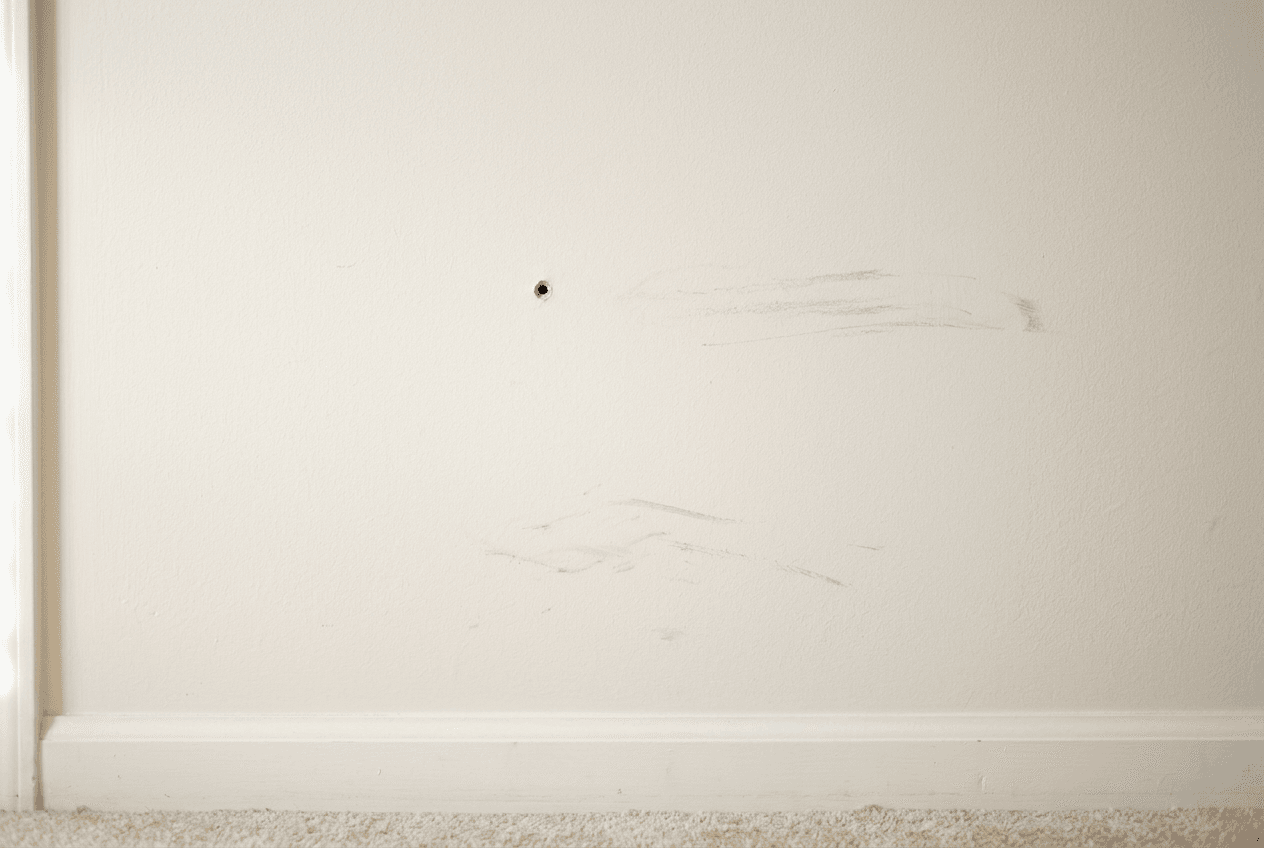
The same color name is not the complete specification.
Gather the paint brand, product line, color or formula, and sheen if possible. A photo of the original can's label can be more useful than a description such as “warm white.”
Application matters too. A brush and a roller can leave different surface textures, so matching the original application method can help the repaired area blend. Even with that information, agree on a test rather than assuming the repair will disappear.
Why a Repaired Spot Can Still Stand Out
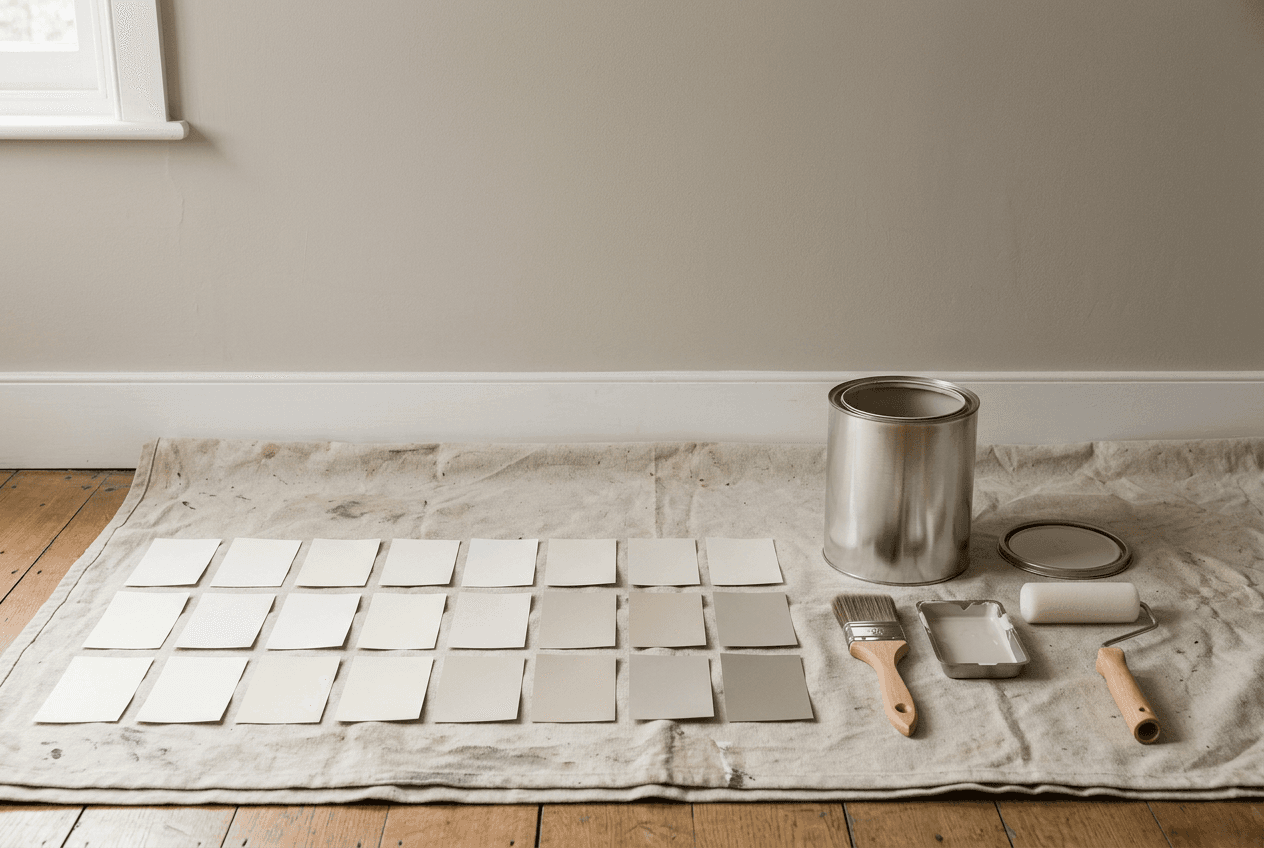
A filled nail hole and an intact painted surface may not absorb paint in the same way. That difference can contribute to an uneven sheen, sometimes called flashing.
Surface preparation therefore matters as much as the finish coat. Sherwin-Williams identifies surface porosity and uneven coating thickness among the causes of flashing, and recommends appropriate priming or sealing, including spot-priming patched areas where needed.
Ask how any patching, texture work, and primer will be handled before the finish paint is applied. The products and application should follow the relevant manufacturer's instructions.
Source: Sherwin-Williams' guide to paint flashing
If the wall needs more than a cosmetic touch-up, explore our drywall repair services.
When Repainting the Whole Wall Makes More Sense
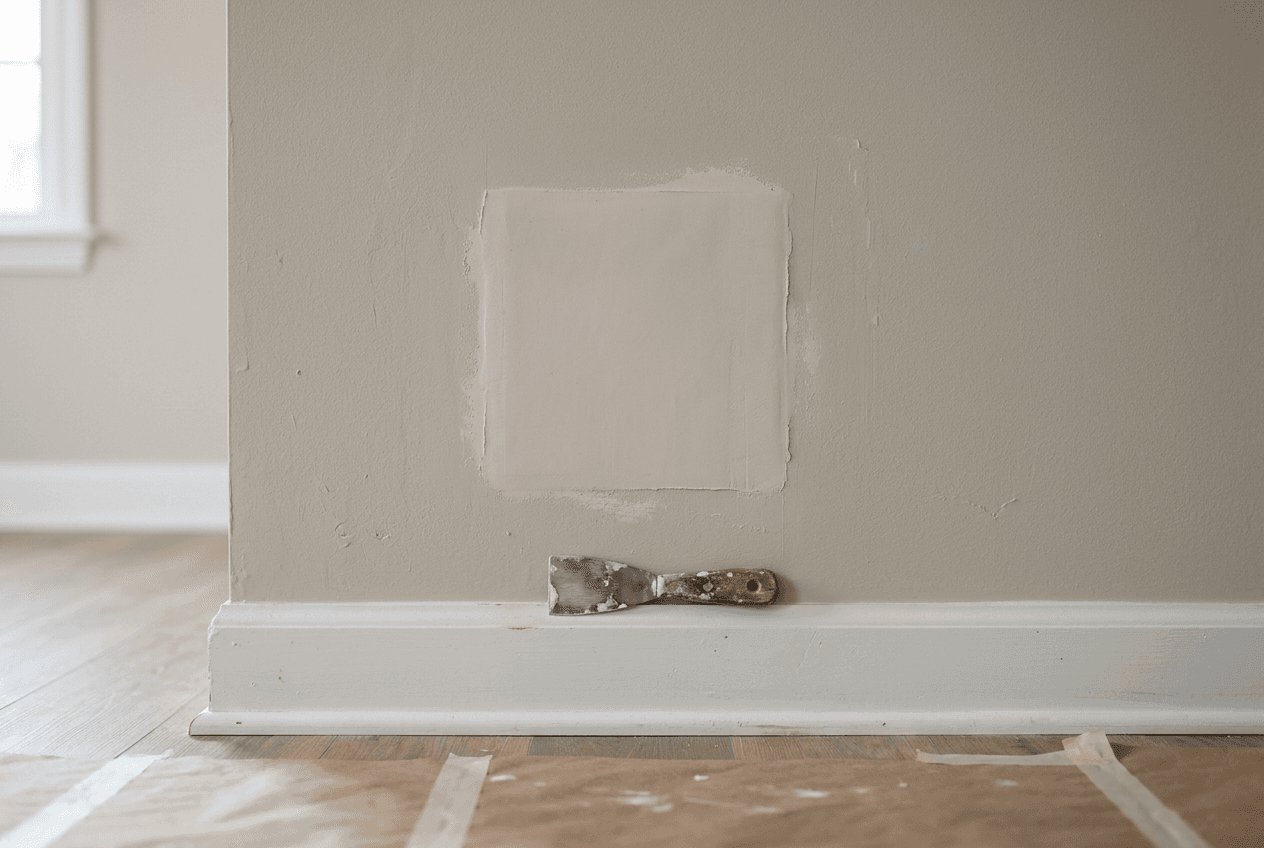
Consider discussing a complete wall repaint when there are numerous marks, larger repaired areas, or a touch-up that remains visibly different after drying.
Sherwin-Williams notes that larger areas or mismatched finishes can require a full repaint, and that repainting the wall may be the better option when blending proves difficult.
Source: Sherwin-Williams' wall touch-up guide
For the estimate, ask the provider to define the proposed boundaries. Does the work cover one wall from corner to corner, several walls, or the whole room? Are ceilings, baseboards, and trim included?
A clearly defined wall repaint can be easier to evaluate than an open-ended promise to “touch up wherever needed.”
Plan the Work Around Your Guests
If you have an arrival date in mind, share it when requesting an estimate.
Ask for time to be allowed for preparation, any required drying between coats, and a final review. Product instructions should determine drying and recoating intervals; do not assume every paint can follow the same schedule.
Source: Benjamin Moore's drying guidance
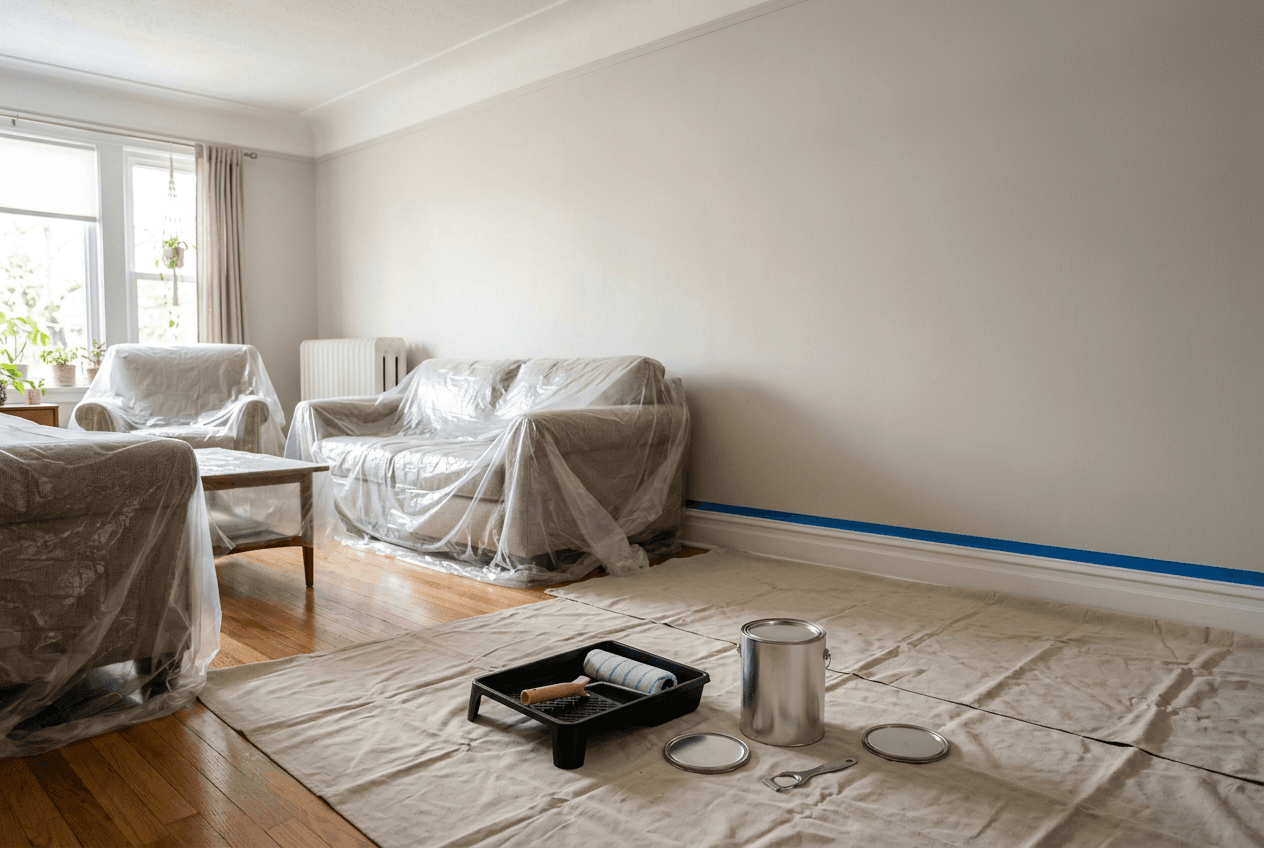
Discuss furniture access, floor protection, ventilation, and when the room can return to normal use. Have the provider explain any product-specific curing and cleaning instructions.
What to Send for a Painting Estimate
A useful initial request includes:
- Your city or ZIP code.
- A wide photo showing each affected wall.
- Close-up photos of marks, chips, or previous patches.
- The number of rooms and approximate wall dimensions.
- Photos of any existing paint labels.
- Whether you want to keep the current color.
- Your preferred completion date.
Describe peeling, recurring stains, or suspected dampness separately so they can be assessed before cosmetic work is planned.
Ask for the estimate to distinguish surface repairs, spot priming, touch-ups, and complete wall painting. This makes it easier to understand what result the proposed work is intended to achieve.
Interior Painting Help in Dallas–Fort Worth
Premier Handyman Group offers interior painting, surface preparation, patching, and finish updates across DFW.
Explore our interior painting services, or request a free estimate. Share photos, your location, and your preferred timing so we can review whether touch-ups or a broader repaint make sense for your project.
Call (214) 585-5595 to discuss the work.
Related Reading