

Exterior caulking is easy to overlook. It sits at the edges of windows, doors, and trim, quietly doing its job until a small crack or gap opens up somewhere along the line. Most homeowners do not notice it until something else draws their attention to it, like a draft near a door or a faint stain on a windowsill.
This guide walks through where caulking and small weatherproofing details tend to wear around Dallas–Fort Worth homes, what signs are worth a closer look, and when a minor repair makes more sense than waiting. It is general homeowner guidance, not a professional inspection, and it does not replace a review from a qualified specialist when one is needed.
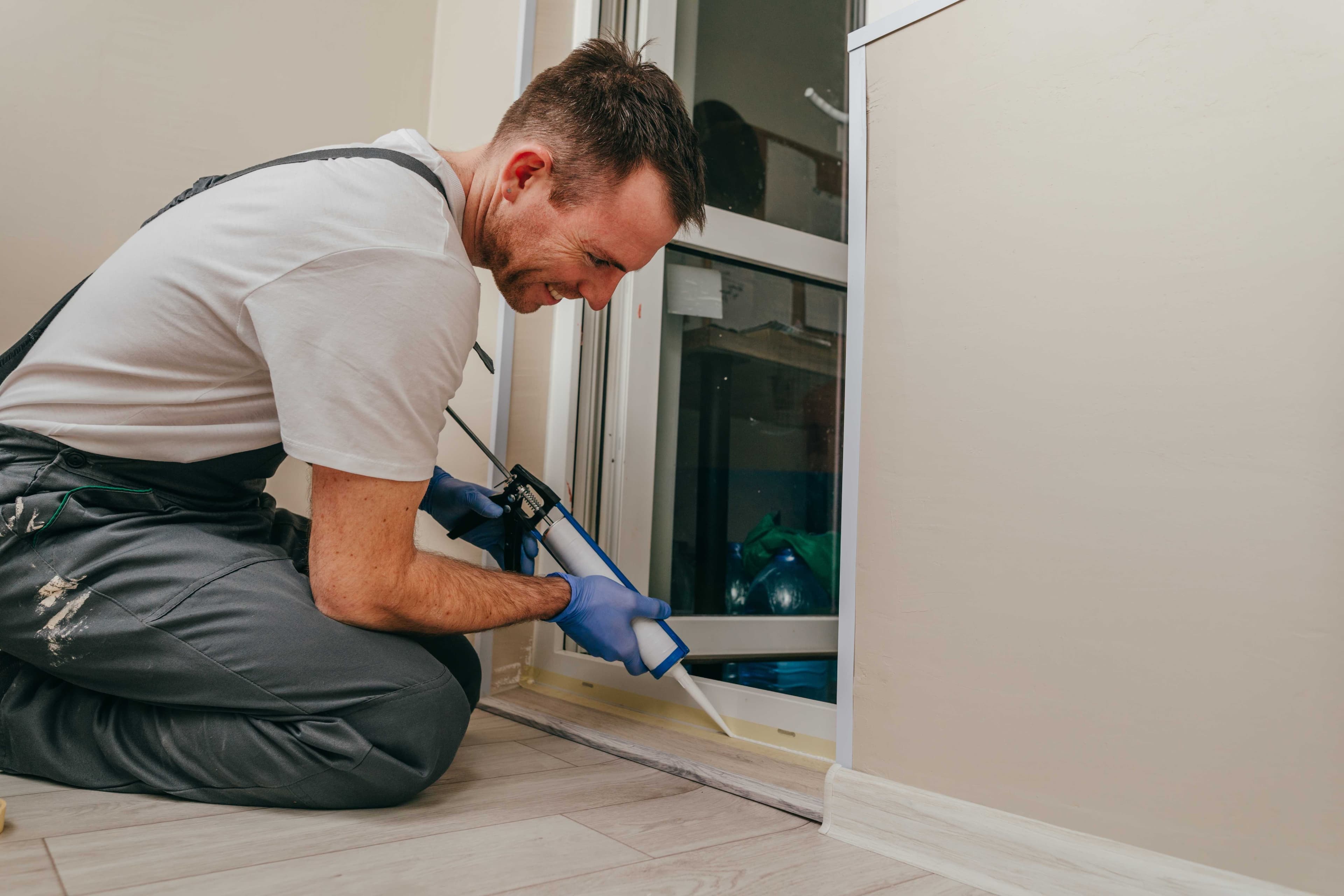
Why Dallas–Fort Worth Weather Makes Exterior Checks Worthwhile
Dallas–Fort Worth sees a lot of sun. According to the National Weather Service's Fort Worth forecast office narrative and the 1991–2020 climate normals for the area, the region averages a substantial number of days each summer with highs at or above 100°F, alongside long stretches of intense sun exposure between spring and fall. Spring and fall also bring the area's severe-weather season, with the potential for strong winds, hail, and heavy, wind-driven rain.
None of this means every home in DFW will develop a caulking problem, and weather is not the only factor at play. Sun exposure, the natural expansion and contraction of building materials, the age of the caulk itself, and ordinary wear over time can all contribute. What the local climate does mean is that exterior joints around a Dallas-area home tend to see more temperature swings and more direct sun than in milder climates, which is a reasonable reason to check them on a routine basis rather than only after something goes wrong.

Where Homeowners Should Inspect Caulking
A walk around the exterior of the home, taken on a calm day, can cover most of the areas worth checking:
Window frames
Check the joint where the window frame meets the siding, brick, or trim. This joint flexes with temperature swings and is one of the more common spots for cracking or separation.
Exterior doors and thresholds
Look along the bottom of the threshold and the sides of the door frame. Gaps here can let in drafts, insects, or water during a hard rain.
Trim boards
Wood and composite trim boards move slightly with heat and humidity. Seams between trim and siding are worth a look, especially on sun-facing walls.
Siding transitions
Corners, panel seams, and the point where siding meets brick, stone, or a foundation ledge are common places for old caulk to dry out and pull away.
Around exterior penetrations where appropriate
Areas where a homeowner can safely see and access the surface, such as around exterior light fixtures, hose bibs, or vent covers, can also be worth a visual check.
Our window services and door services pages cover more detail on the kind of frame and threshold work that often overlaps with caulking checks.
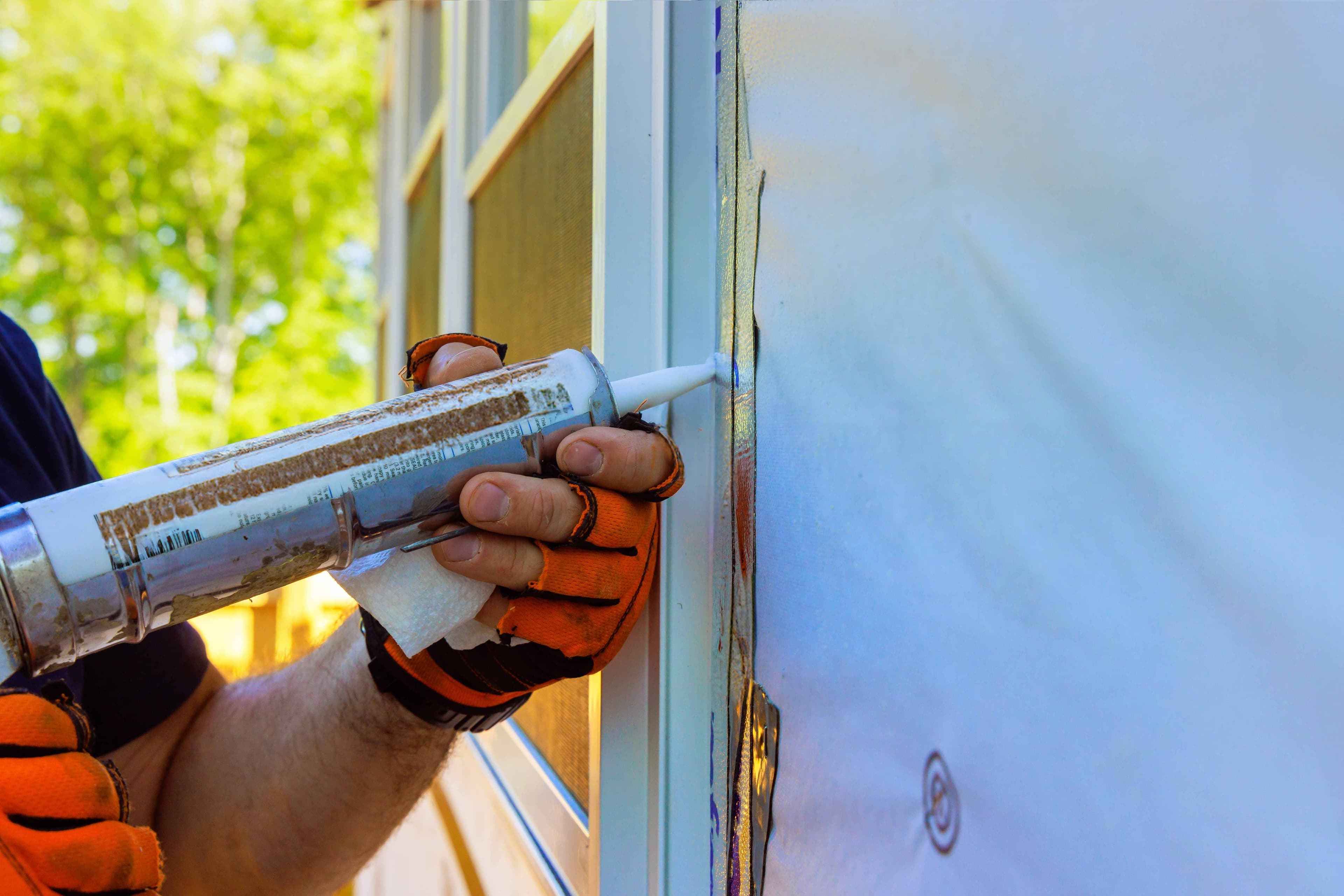
Signs Caulking May Need Attention
- Visible cracks running along a caulk line
- Gaps or separation where caulk has pulled away from one surface
- Missing sections where caulk has crumbled or fallen out entirely
- Staining on trim or siding near a window or door
- Drafts or a visible sliver of daylight around an exterior door
Any one of these on its own is usually just a maintenance item. What matters more is whether the condition is new, spreading, or appearing in more than one spot around the home, since that can be a sign that it is time to move a check further up the to-do list.
What Homeowners Can Safely Look For After Heavy Rain or Wind
After a storm passes through, a quick, ground-level walk-around can help homeowners catch new issues early, without needing to climb a ladder or access the roof:
- New cracks or gaps at caulk lines that were not there before the storm
- Fresh staining or a damp appearance on siding, trim, or a windowsill
- Debris, loose trim, or a screen that has come partially detached
- Standing water pooling against the foundation or a threshold
This kind of visual check is meant to flag items for follow-up, not to serve as a full damage assessment. If wind or hail was significant, a broader review of the roof and siding by a qualified professional is a reasonable next step regardless of what a ground-level check shows.
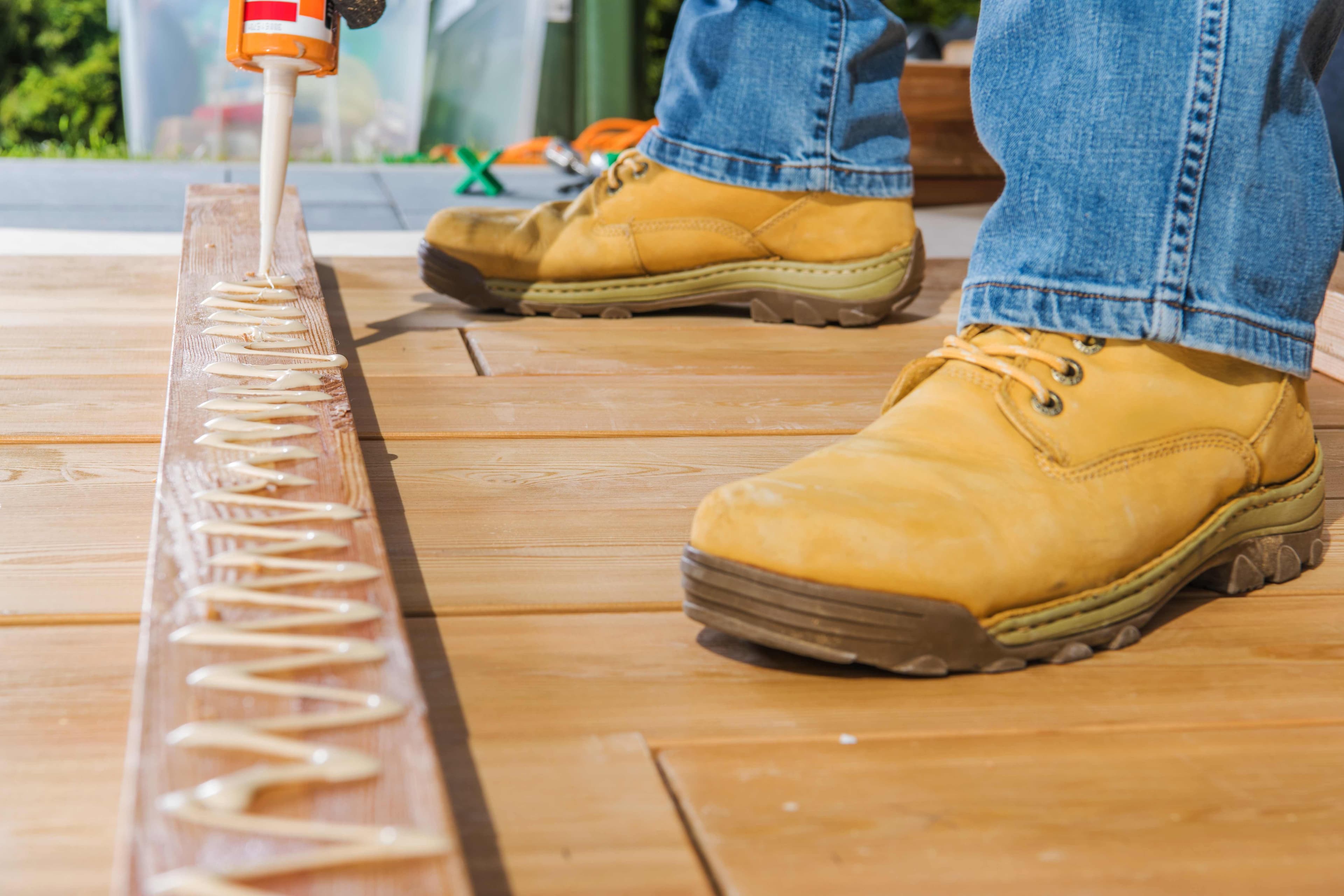
When a Small Repair Shouldn't Be Delayed
Most caulking wear is a routine maintenance item, but a few situations are worth scheduling sooner rather than later:
- A gap that lines up with a new or growing interior stain
- Caulking near a door or window that has started to let in a noticeable draft
- A missing section in an area that gets direct rain exposure during storms
- Wear that has shown up in the same spot more than once in a short period
Addressing a small gap while it is still a caulking job is generally simpler than waiting until it becomes part of a larger repair. That said, a caulk touch-up is a maintenance step, not a guarantee against future water intrusion, and it will not resolve an underlying leak, drainage issue, or structural cause if one is present.
What Premier Handyman Group Can Help With
Premier Handyman Group handles the kind of accessible, minor exterior work described in this guide, including:
- Minor exterior caulking around windows, doors, trim, and siding joints
- Weatherstripping
- Door adjustments
- Minor trim repairs
- Screen repairs
- Compatible siding, soffit and fascia, fence, and general exterior maintenance work
If you would like a broader review of small exterior items around your property, our property maintenance services page covers a wider range of compatible work, and our Dallas location page has more on the areas we serve across DFW.
When to Call a Different Qualified Professional
Premier Handyman Group is a handyman company, not a roofer, plumber, engineer, or water-damage restoration company. A few situations should go to the appropriate specialist instead of, or in addition to, a handyman visit:
Active roof leaks
A licensed roofer should evaluate and repair an active roof leak.
Major water intrusion
Significant water intrusion, standing water indoors, or signs of ongoing moisture behind a wall call for a water-damage restoration professional.
Electrical concerns
Any exposed wiring, scorching, or electrical issue near an exterior repair area needs a licensed electrician.
Structural movement
Cracking that appears structural in nature, such as significant foundation or framing movement, calls for a qualified structural or foundation professional.
Large-scale siding or roof damage
Extensive storm damage to siding or roofing is generally best handled by a specialist familiar with that scope of work and, when applicable, the insurance claims process.
Frequently Asked Questions
How often should I check exterior caulking in Dallas?
A general once- or twice-a-year visual check, such as in spring and fall, is a reasonable habit for most Dallas–Fort Worth homes. Homes with a lot of direct sun exposure or older caulking may benefit from a closer look after a stretch of extreme heat or a significant storm.
Can cracked caulking cause water damage?
A gap in caulking can be one of several ways water finds its way behind siding or trim, but it is not the only possible cause of water intrusion, and cracked caulking alone does not mean damage has occurred. If you notice staining, softness, or a musty smell near an exterior wall, that is worth a closer look rather than something to assume is caulking alone.
Should I recaulk around every window myself?
Some homeowners are comfortable handling small, accessible caulk touch-ups themselves, while others prefer to have a handyman review the whole exterior at once so nothing is missed. Either approach is reasonable. What matters more is using an appropriate exterior-grade product and making sure old, failing caulk is removed rather than caulked over.
What should I do if I see water stains indoors?
Indoor water stains can have more than one possible source, including roofing, plumbing, HVAC condensation, or exterior gaps, and identifying the actual cause usually calls for an inspection rather than a guess. If the stain is active, growing, or paired with a musty smell, a qualified roofer, plumber, or water-damage professional is the appropriate next call.
Ready to check your exterior?
Need help with small exterior caulking, weatherstripping, trim, door, screen, fence, or other handyman repairs in Dallas–Fort Worth? Call Premier Handyman Group at (214) 585-5595 or request a free estimate.
Related Reading