
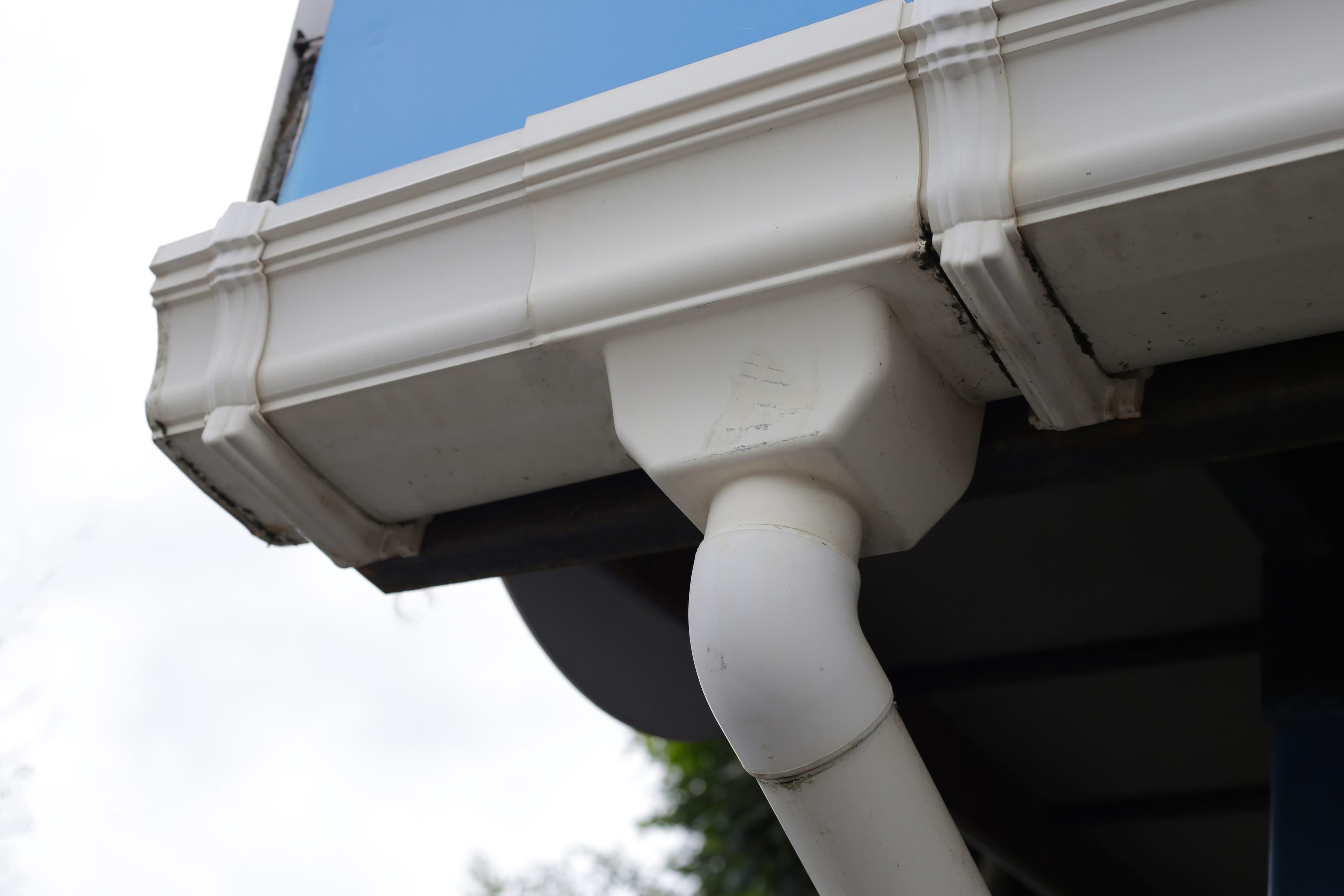
Water spilling over a gutter can leave homeowners wondering whether they need a cleaning, a repair, or a replacement. Before booking the work, it helps to understand what each problem may mean.
For Dallas–Fort Worth homeowners, early fall is a useful time to check. National Weather Service climate normals show 4.37 inches of precipitation in October, compared with 2.72 inches in September. Those figures describe long-term averages, not a forecast for this fall, but they give homeowners a practical reason to review drainage before October.
Source: National Weather Service
When Gutter Cleaning May Be Enough
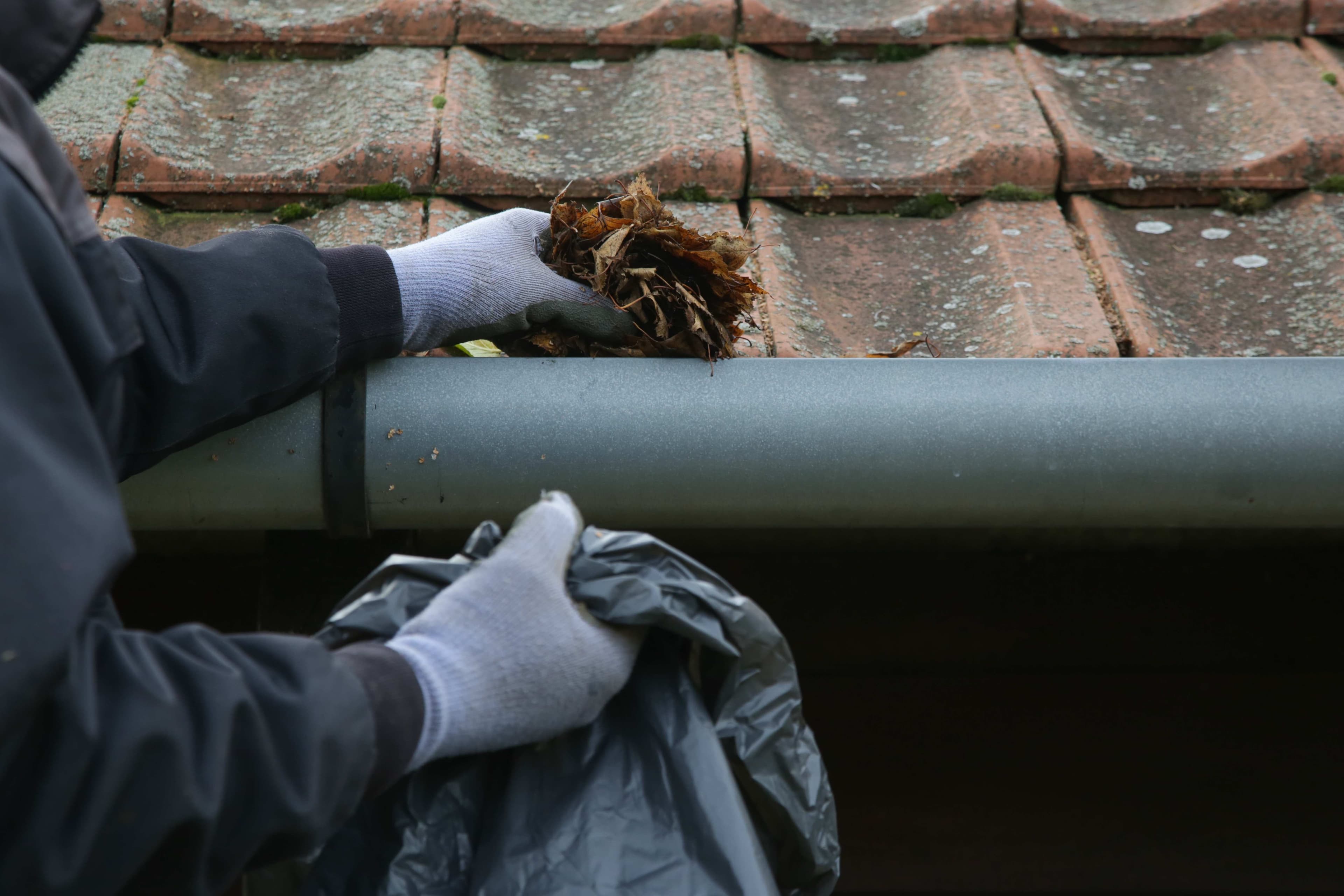
Leaves and other debris can interrupt the path from the roof to the downspout. If the gutter is intact and properly attached, clearing the obstruction may restore drainage.
- Leaves and other debris interrupting the path from the roof to the downspout
- A gutter that is otherwise intact and properly attached
A useful cleaning visit should address both the gutter channel and the downspout. Removing visible leaves without checking the outlet can leave part of the problem unresolved. A controlled water-flow check can help confirm that water travels through the system and exits where intended.
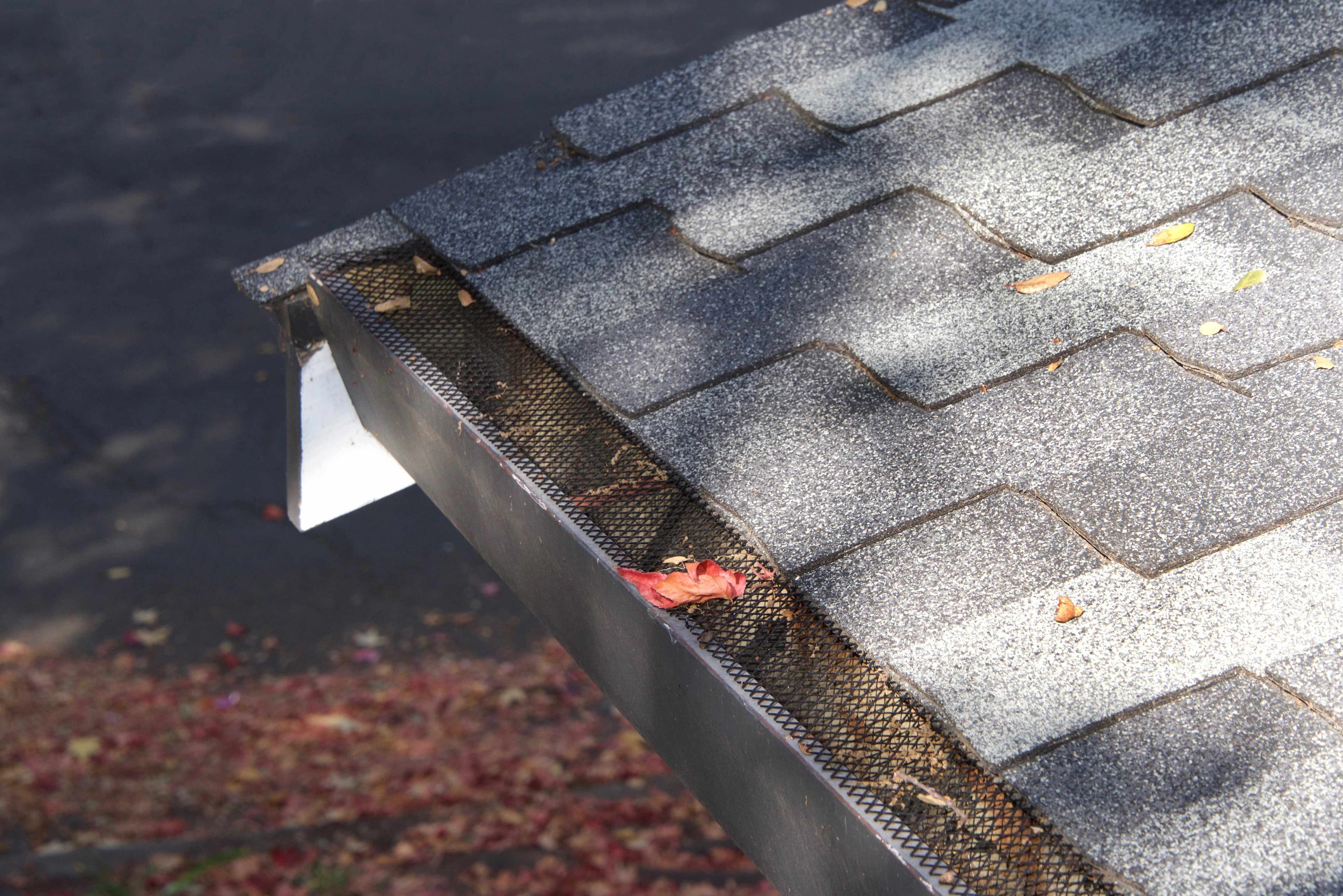
Gutter guards also need attention. They can reduce debris buildup, but they do not make the system maintenance-free.
When Cleaning Alone Is Unlikely to Solve the Problem
Some symptoms point beyond debris. Ask for an assessment if you notice:
A sagging or detached section
Loose attachments or an uneven run need attention beyond cleaning.
Water remaining in a cleared gutter
The slope may not be carrying water toward the outlet.
Corrosion or damaged sections
The material's condition may affect whether a localized repair is practical.
These observations help identify what to inspect; they do not establish the repair scope by themselves. Installation problems and material deterioration can occur together.
Source: InterNACHI's roof drainage guidance
Leaks at downspout joints, cracks, and holes also warrant closer inspection. Describe exactly where you see water escaping so the person assessing the system can distinguish a leak from overflow.

Follow the Water Beyond the Downspout
A clear gutter is only one part of effective drainage. Where the water goes after leaving the downspout matters too.
Look for discharge that leaves water collecting beside the house. Gutters and downspouts should work with the surrounding drainage to move roof runoff away from the foundation. The appropriate solution depends on the property's slope, available discharge area, and existing drainage arrangements.
If overflow continues after the system is cleared, have gutter and downspout capacity reviewed as well. Larger gutters alone may not solve the problem if the outlets cannot carry the water away.
Source: Building America Solution Center

What to Include in a Fall Gutter Service Request
You do not need to diagnose the problem before asking for help. A clear description makes the conversation more useful.
Include:
- Your city or ZIP code and the number of stories
- Which side of the house has the problem
- Whether you noticed overflow, dripping, or a loose section
- When the gutters were last cleaned, if known
- Photos taken from a safe location on the ground
Ask the provider to explain what was found, which work is recommended, and how drainage will be checked afterward. If replacement is suggested, ask why a repair would not address the condition.
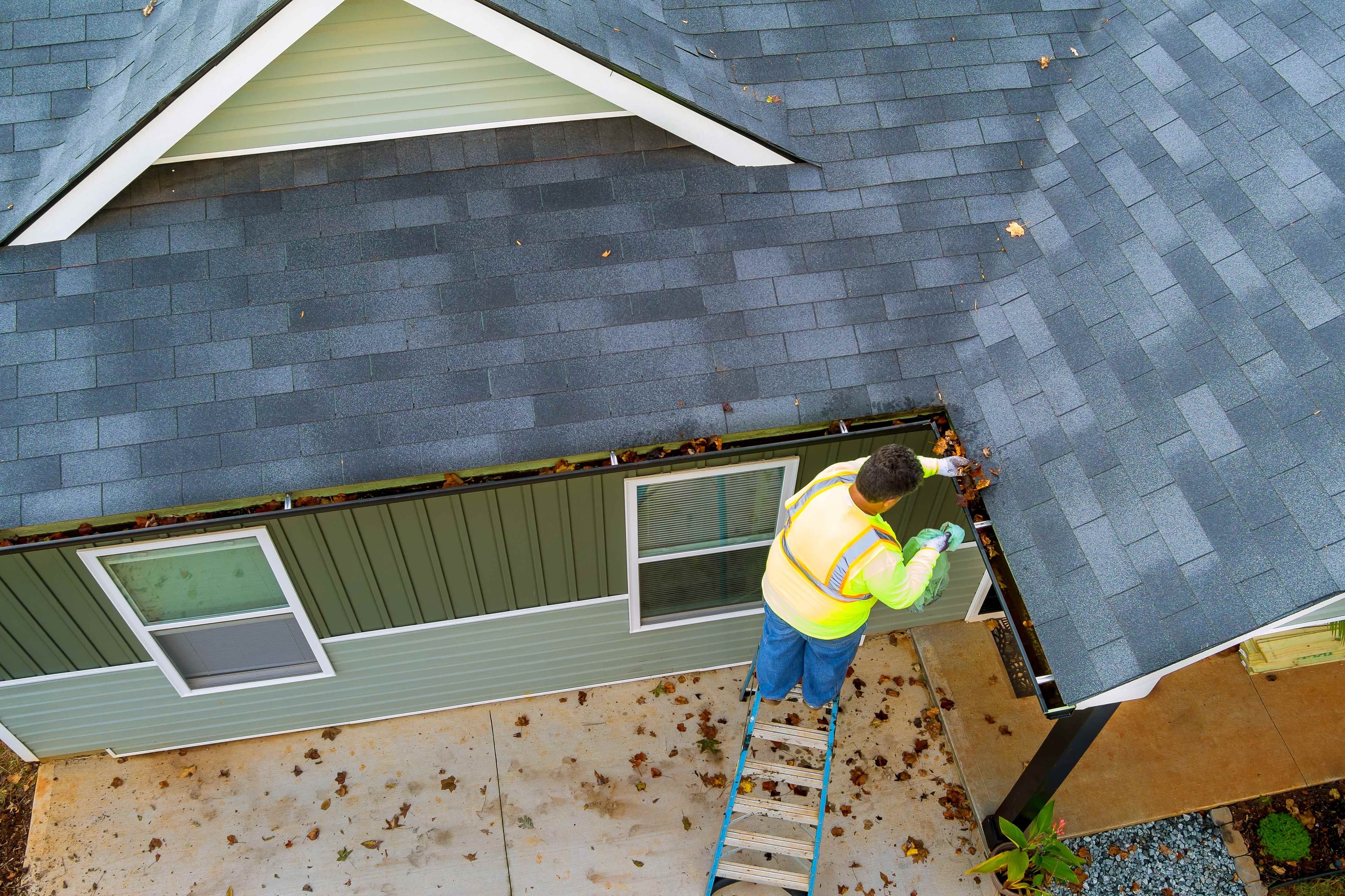
For your own initial review, stay on the ground. Arrange professional help for areas that require roof access or uncomfortable ladder work.
Plan a Check Before October—and Reassess as Needed
Consider an early-fall review a starting point. If nearby trees later deposit more debris, the system may need another check. Base follow-up maintenance on what accumulates at your home rather than assuming one visit covers the entire season.
The goal is straightforward: identify obstructions, understand any repair needs, and confirm that water has a clear route away from the house.
For a broader seasonal checklist, see our guide to preparing your home for North Texas storm season.
Need Help With Your Gutters in Dallas–Fort Worth?
Premier Handyman Group offers gutter cleaning, repairs, downspout work, and drainage improvements across DFW. Explore our gutter services, or request a free estimate. Share your location, a brief description, and any ground-level photos—or call (214) 585-5595 to discuss your project.
Related Reading